- 2026-11-04
activated carbon air filter cartridge Technical Analysis
Managing volatile organic compounds (VOCs) and gaseous pollutants requires more than simple particulate filtration; it demands a molecular-level capture strategy. In industrial and commercial ventilation, the ability to scrub odors and hazardous vapors is critical for both regulatory compliance and occupant safety.
The shift toward tighter indoor air quality (IAQ) standards has placed a renewed focus on adsorption technologies. Unlike traditional mechanical filters that trap particles based on size, chemical filtration relies on the surface chemistry of the media to bond with gas-phase contaminants.
Understanding the operational nuances of an activated carbon air filter cartridge is essential for engineers and facility managers aiming to optimize their air purification systems for maximum efficiency and longevity.
The Physics of Gaseous Adsorption
At its core, the effectiveness of an activated carbon filter depends on the internal pore structure of the carbonaceous material. Through a process of activation, the carbon develops a massive specific surface area, creating millions of microscopic voids that act as traps for organic vapors and smoke.
This vast internal network allows the media to capture pollutants through van der Waals forces, effectively scrubbing the air stream as it passes through the cartridge. The capacity is determined by the volume of these pores and the chemical affinity between the carbon surface and the target pollutant.
Engineering the Filter Architecture
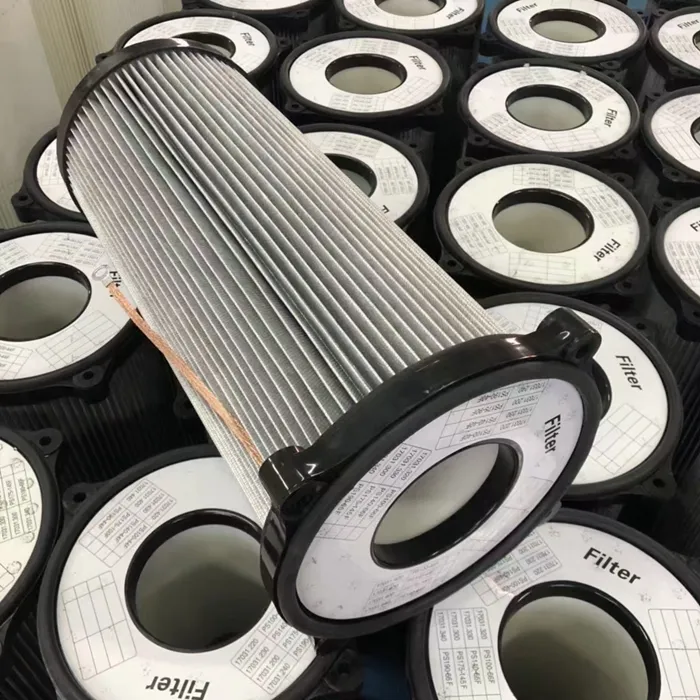
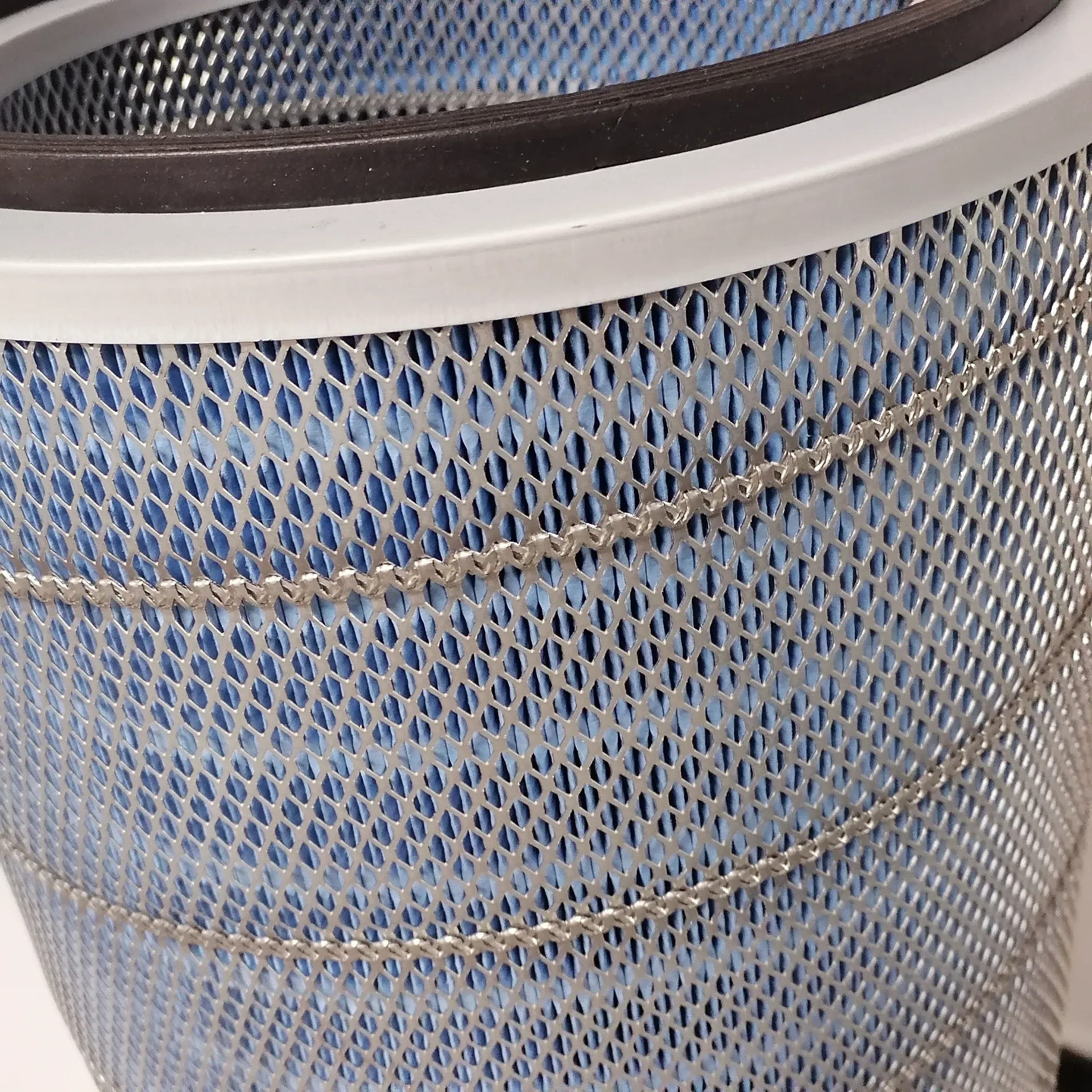
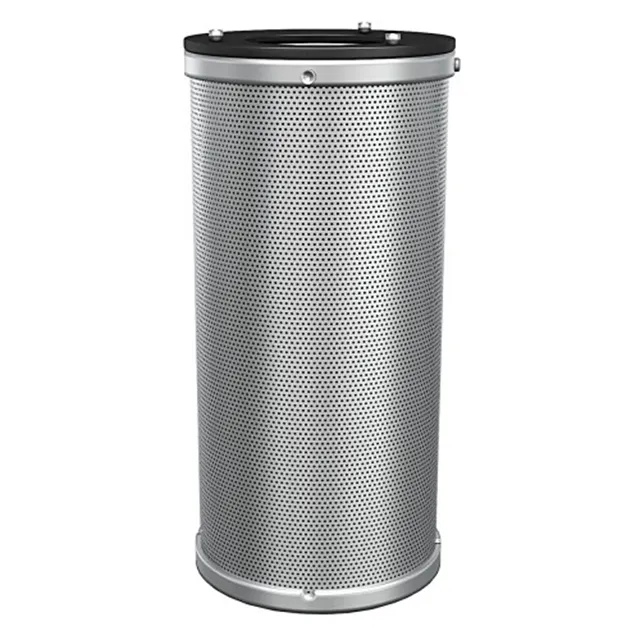
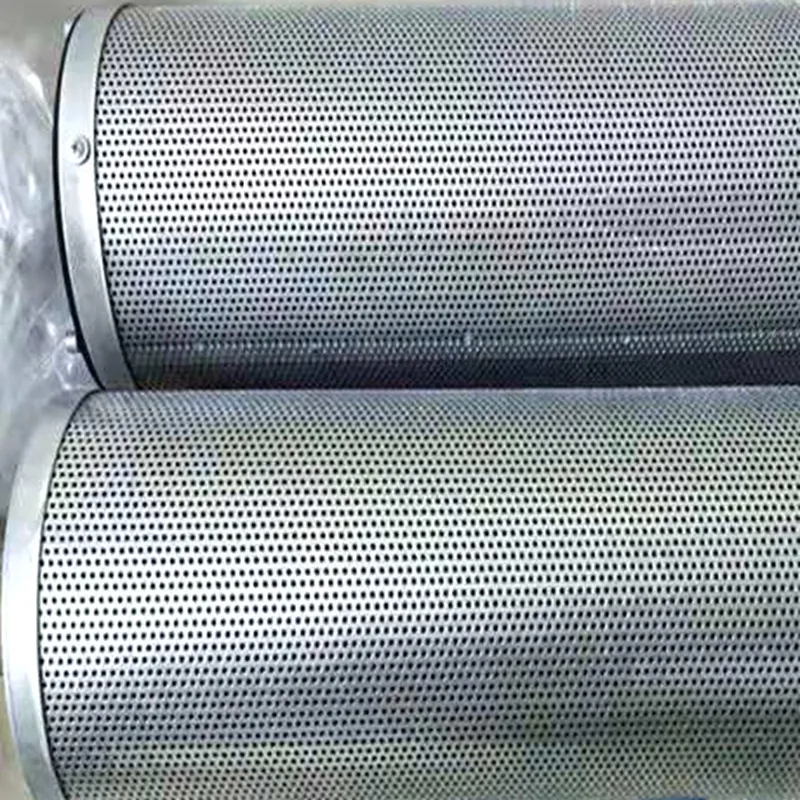
The structural integrity of a filter cartridge is as important as the media inside. To prevent carbon dust leakage and ensure uniform airflow, professional cartridges utilize robust housings. Materials such as galvanized steel plates or high-grade stainless steel are typically employed to resist corrosion, especially in environments where acidic or alkaline gases are present.
The frame design must balance structural rigidity with the required gas processing capacity. Cold-rolled steel plates with spray coatings provide a cost-effective solution for general ventilation, while stainless steel is reserved for medical facilities or laboratories where sterilization and chemical resistance are non-negotiable.
Modern engineering focuses on the "replaceable media" concept. By utilizing a reusable metal shell and replacing only the activated carbon, operators can significantly reduce long-term operating costs and minimize industrial waste, aligning air purification goals with sustainable facility management.
Physical vs. Chemical Adsorption Mechanisms
Air purification through carbon is not a one-size-fits-all process. It involves two distinct mechanisms: physical adsorption, where pollutants are trapped in the porous structure, and chemical adsorption (chemisorption), where a chemical reaction occurs between the pollutant and a treatment agent on the carbon surface.
The dual-action mechanism ensures that while general odors are trapped physically, specific hazardous gases like formaldehyde or mercury vapor are neutralized chemically via specially formulated granular activated carbon.
Selecting the right carbon treatment is critical. Standard carbon is sufficient for general smoke and VOCs, but specialized applications—such as radioactive gas removal or acid gas scrubbing—require impregnated carbons. This chemical tailoring allows the cartridge to target specific molecular weights and polarities.
Assessing Adsorption Performance Indices
When evaluating the efficacy of an air purification component, engineers look at a combination of adsorption capacity, removal efficiency, and pressure drop. A high-capacity filter is useless if it creates too much resistance for the ventilation fan, leading to increased energy consumption and reduced airflow.
The following index provides a relative assessment of how different carbon treatment types perform across typical industrial pollutant categories, highlighting the trade-offs between general-purpose and specialized media.
Figure 2. Relative Efficiency by Pollutant Type
Critical Deployment Scenarios
In commercial central air conditioning and industrial ventilation, these cartridges are typically integrated as a final polishing stage. In a typical industrial setting, such as a chemical processing plant, they are used to remove residual stench and hazardous vapors before air is exhausted or recirculated, ensuring compliance with environmental health and safety (EHS) standards.
Beyond heavy industry, their application extends to laboratories and medical facilities. In these controlled environments, the focus shifts from bulk odor removal to the capture of trace amounts of highly toxic gases. The ability to customize the carbon media based on the specific gases processed makes these systems versatile across diverse sectors.
Evolving Trends in Media Treatment
The industry is moving toward "smart" adsorption media that can be monitored for saturation levels. Traditional replacement schedules based on time are being replaced by performance-based monitoring, which reduces waste and ensures that air quality never dips below the required threshold.
Furthermore, there is a growing demand for carbon treated with specific chemical formulas to target emerging pollutants, such as complex volatile organic compounds used in new electronics manufacturing. This requires a deeper synergy between the carbon supplier and the end-user to tailor the pore size and chemical functional groups.
ONLY TECHNOLOGY (HEBEI PROVINCE) CO., LTD emphasizes this commitment to precision, providing a range of specialized activated carbon materials designed for specific gas processing capacities, ensuring that industrial purification is both reliable and cost-effective.
Selection Framework for Air Purification
Choosing the right filter cartridge involves a trade-off between initial cost, maintenance frequency, and removal efficiency. A stainless steel frame may have a higher upfront cost but offers longevity in corrosive environments that would destroy a spray-coated steel frame in months.
Buyers must also consider the "breakthrough point"—the moment when the carbon is saturated and pollutants begin to pass through. This point varies significantly depending on the concentration of the pollutant and the velocity of the air stream, making the volume of the carbon bed a critical selection factor.
The following table outlines the primary considerations when selecting materials and configurations for different operational environments to ensure a balanced approach to air quality management.
| Environment Type | Recommended Frame | Media Focus | Key Selection Factor |
|---|---|---|---|
| General Office/Home | Spray-coated Steel | Standard Activated Carbon | Odor & Smoke Removal |
| Industrial Ventilation | Galvanized Steel | Impregnated Carbon | VOC Removal Capacity |
| Chemical Laboratory | Stainless Steel | Chemically Treated Carbon | Acid/Base Gas Neutralization |
| Medical Facility | Stainless Steel | High-Purity Carbon | Sterility & Trace Removal |
| Mining/Heavy Industry | Galvanized Steel | Bulk Granular Carbon | Dust & Odor Synergy |
| Clean Room | Stainless Steel | Specialized VOC Media | Low Outgassing/Leakage |
Questions & Answers
Physical adsorption occurs when molecules are attracted to the carbon surface by weak van der Waals forces, effectively "sticking" to the walls of the pores. Chemical adsorption, or chemisorption, involves a stronger chemical bond or reaction between the pollutant and a chemical agent impregnated into the carbon. Physical adsorption is better for general VOCs and odors, whereas chemical adsorption is necessary for specific toxic gases like ammonia or formaldehyde that do not adhere well to plain carbon.
The most reliable method is monitoring "breakthrough," which is when the pollutant concentration at the filter outlet begins to rise. In practical settings, this is often managed through differential pressure gauges (though carbon doesn't "clog" like dust filters) or by using sensor-based VOC monitors. If odors become detectable in the air stream or if the gas processing system fails to meet regulatory parts-per-million (ppm) standards, the adsorption media is likely saturated and requires replacement.
Yes, provided the shell material is compatible with the environment. Stainless steel shells are highly durable and can be reused for many cycles of media replacement. Galvanized or spray-coated steel shells are also reusable but may eventually succumb to corrosion if exposed to high humidity or aggressive chemical vapors. Reusing the shell and replacing only the granular activated carbon is a standard industry practice to reduce costs and environmental impact.
The choice depends on the corrosivity of the air stream. Galvanized steel is an excellent, cost-effective choice for general industrial air and commercial HVAC systems where the primary goal is odor removal. However, for environments dealing with acidic gases, alkaline vapors, or strict medical hygiene standards, stainless steel is superior because it does not rust or react with most chemicals, ensuring the structural integrity of the filter over a longer period.
While carbon granules can trap some large particles, an activated carbon filter is specifically designed for gas-phase pollutants. Using it to filter dust is inefficient and can lead to "blinding," where dust particles block the micropores of the carbon, preventing it from adsorbing gases. For this reason, it is standard practice to install a pre-filter (such as a dust removal filter cartridge) before the carbon stage to protect the adsorption media from particulate contamination.
The most common targets include Volatile Organic Compounds (VOCs), industrial odors (stench), smoke, and harmful gases. Depending on the media treatment, they can be specialized to remove formaldehyde, mercury vapor, radioactive gases, and acidic or alkaline vapors. This versatility makes them essential in sectors ranging from mining and chemical production to high-end office ventilation and laboratory safety systems.
Final Thoughts
Effective air purification is a balance of chemistry and mechanical engineering. The success of an adsorption system depends not just on the quality of the activated carbon, but on the precision of the cartridge architecture and the correct alignment of the media treatment with the specific pollutants present in the environment.
By prioritizing a dual-adsorption approach and investing in durable, reusable housing materials, facilities can achieve a sustainable and high-performance air quality solution. Whether for industrial safety or commercial comfort, the right filter selection is the first line of defense against hazardous airborne contaminants.