- 2026-11-02
Sintered Metal Filter Cartridge Performance Analysis
Selecting the right filtration media for high-temperature and chemically aggressive environments often comes down to a choice between synthetic fibers and metallic structures. When standard polymer cartridges fail due to thermal degradation or chemical erosion, the transition to metal-based systems becomes a technical necessity rather than a preference.
Industrial processes involving steam, corrosive solvents, or extreme pressure differentials require a medium that maintains structural integrity without compromising flow rates. This is where the mechanical properties of sintered materials offer a distinct advantage, providing a rigid, porous architecture capable of enduring conditions that would liquefy or shred traditional filter elements.
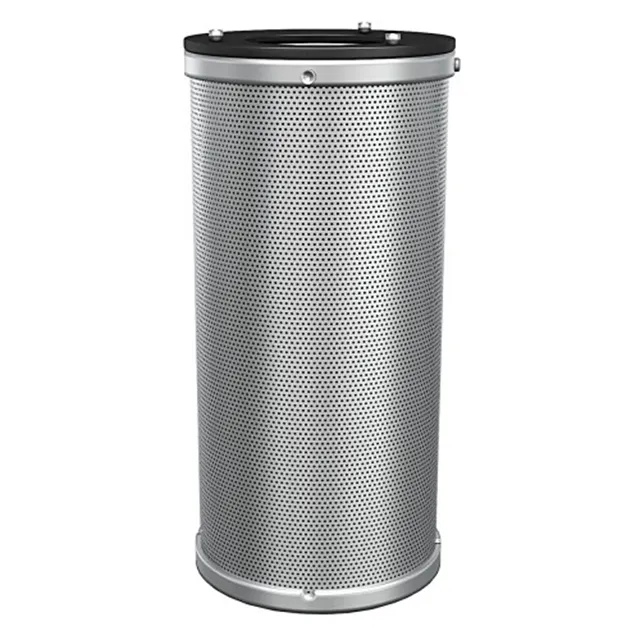
In this technical analysis, we examine the operational logic and selection criteria for the sintered metal filter cartridge, focusing on how material grades and pleated configurations influence long-term performance in heavy-duty air and liquid purification.
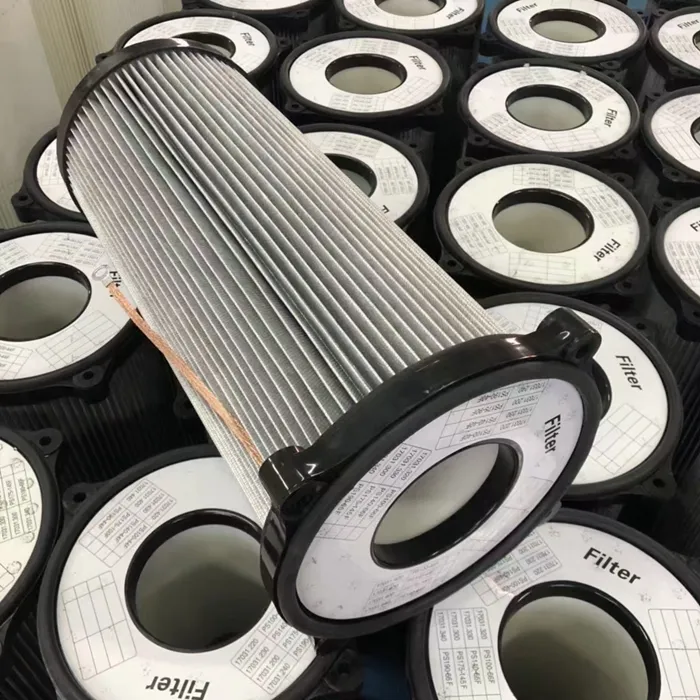
Material Fundamentals of Sintered Media
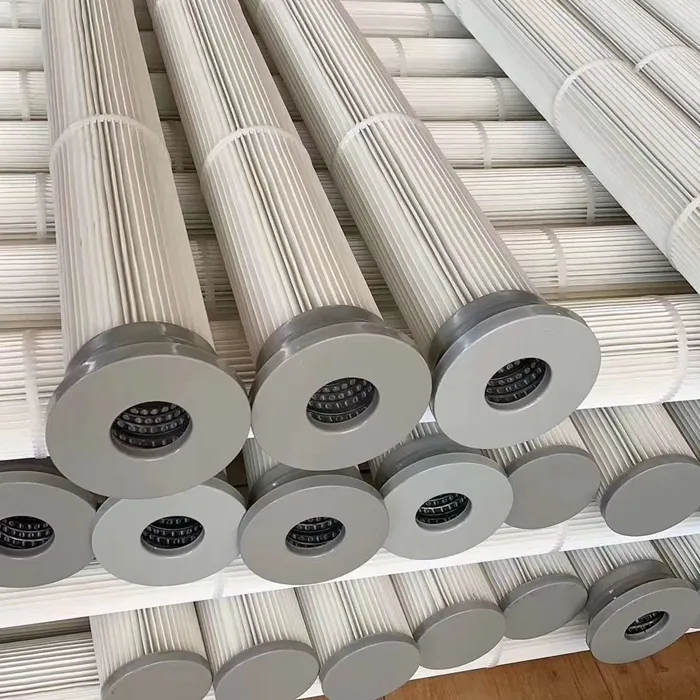
Sintering is a powder metallurgy process where metal particles are compacted and heated below their melting point to create a rigid, porous structure. For filtration, this process allows for the creation of precise micron ratings—ranging from 1 to 100 microns—ensuring that the pore size remains constant even under significant pressure.
The choice of alloy is critical. Stainless steel grades such as SS 304, SS 316, and SS 316L are standard. While SS 304 provides basic corrosion resistance, SS 316 and 316L (low carbon) are essential for environments involving chlorides or highly acidic media, preventing intergranular corrosion and extending the lifespan of the cartridge.
Design Logic: Pleated vs. Cylindrical
The physical geometry of a filter cartridge directly impacts its dirt-holding capacity and pressure drop. Simple cylindrical designs are often used for coarse filtration or where space is severely limited, but they offer a relatively small surface area relative to their volume.
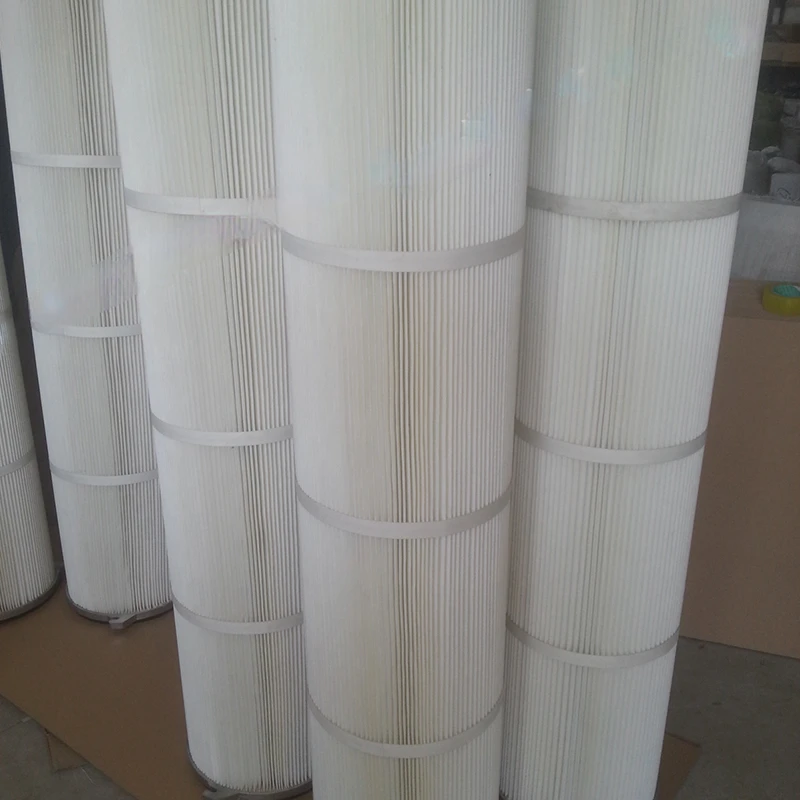
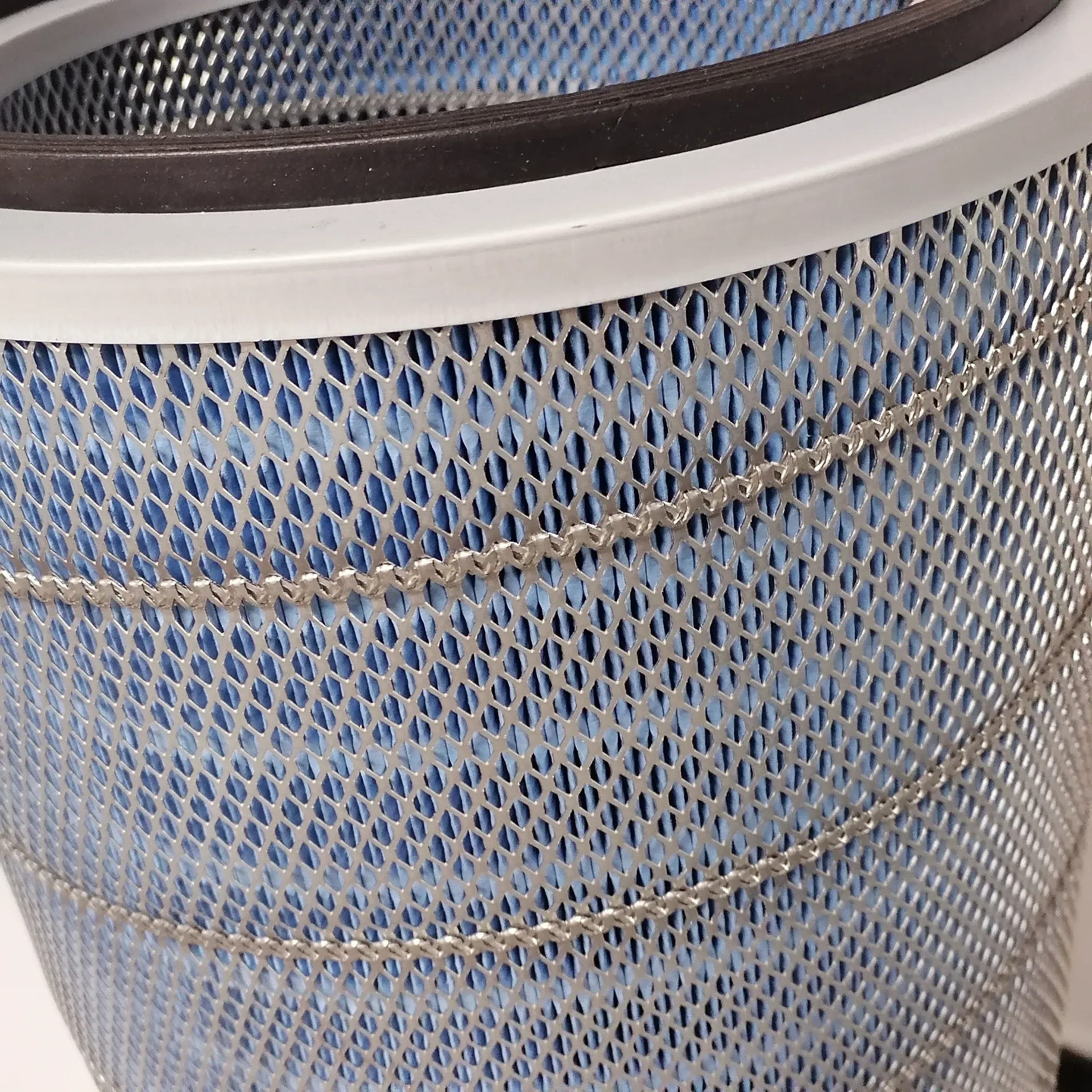
Pleated configurations are designed to exponentially increase the active filtration area within the same housing footprint. By folding the sintered mesh into a series of pleats, the cartridge can handle significantly higher flow rates and capture more contaminants before reaching the critical differential pressure that triggers a replacement or cleaning cycle.
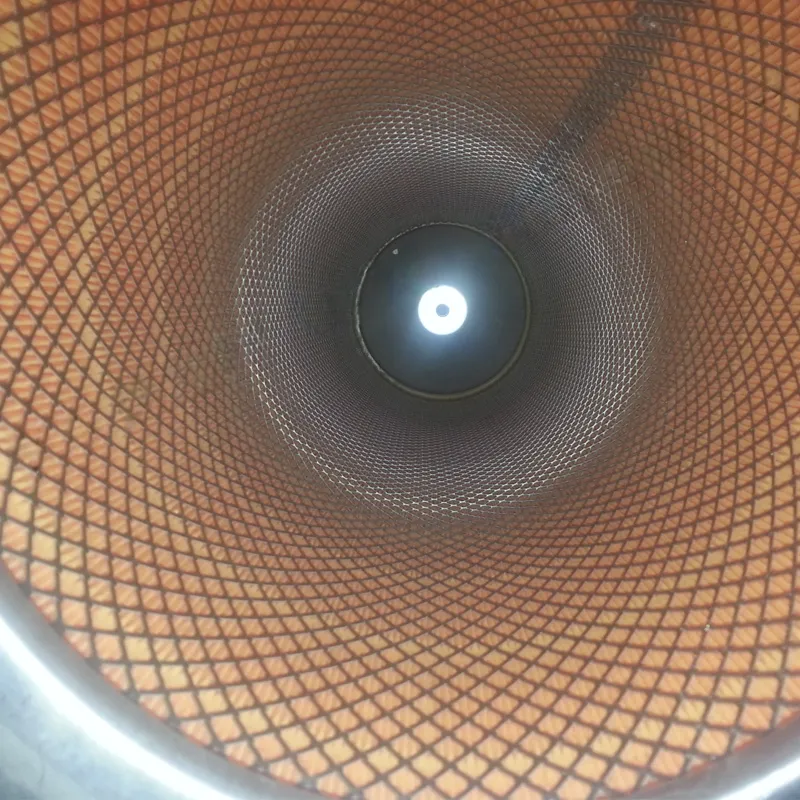
To ensure stability, these pleated elements are typically supported by a coarser filter media. This internal support structure prevents the primary filtering media from collapsing or becoming distorted during sudden process upsets or high-pressure surges, maintaining a consistent flow path.
Overcoming Chemical and Thermal Obstacles
One of the primary failures in industrial filtration is the degradation of artificial fiber media when exposed to temperatures exceeding 150°C or aggressive chemical solvents. Sintered metal elements bypass these limitations by utilizing the inherent stability of stainless steel.
Sintered metal cartridges triumph over the chemical compatibility obstacles of synthetic media, providing an absolute barrier that resists thermal expansion and chemical erosion while maintaining structural rigidity under excessive differential pressure.
This capability makes them indispensable in steam sterilization, hot oil filtration, and chemical processing plants. Because the media is essentially a welded metallic lattice, it does not shed fibers into the filtrate, which is a critical requirement for pharmaceutical and semiconductor-grade purity.
Performance Indices and Flow Dynamics
The efficiency of a sintered element is measured by the balance between the micron rating and the flow rate. A 1-micron filter provides superior purity but increases the risk of rapid clogging, whereas a 100-micron filter allows for high throughput but captures only larger particulates.
Operational longevity is determined by the "dirt-holding capacity." Pleated designs with multi-layer mesh structures increase the depth of the filtration zone, allowing particles to be trapped throughout the thickness of the media rather than just on the surface, thereby reducing the frequency of downtime.
Figure 2. Comparative Performance Index by Micron Rating
Critical Application Scenarios
In a typical industrial setting, such as a chemical refinery or a high-temperature gas turbine inlet, the filter must withstand not only heat but also rapid pressure cycling. For instance, a manufacturer evaluating filtration for corrosive acid recovery would prioritize SS 316L sintered fiber layers to prevent pitting and stress corrosion cracking.
Beyond chemicals, these cartridges are widely used in mining and construction for dust removal in heavy-duty machinery. The ability to be cleaned via back-pulsing or ultrasonic baths makes the sintered metal cartridge a sustainable choice compared to disposable paper or melt-blown polypropylene elements.
Evolution of Sintered Fiber Layers
The transition from plain wire mesh to sintered fiber layers represents a significant leap in filtration precision. While wire mesh relies on the weave of wires, sintered fibers are randomly oriented and fused, creating a more tortuous path for particles and resulting in higher capture efficiency for sub-micron contaminants.
Current industry trends show a move toward multi-layer hybrid designs. By combining a coarse sintered support layer with a fine fiber filtration layer, engineers can optimize the cartridge for both high dirt-holding capacity and absolute filtration ratings, reducing the overall cost of ownership.
As air purification requirements become more stringent in the environmental control sector, the integration of sintered metal technology into larger dust removal systems is increasing, particularly where fire safety and spark arrestation are required.
Selection Framework for Industrial Buyers
Choosing the correct cartridge requires a systematic evaluation of the operating environment. The primary decision point is the end connection: DOE (Double Open End) for standard housings, Code 7 for specialized industrial holders, or NPT threads for direct pipe mounting.
Buyers must also balance the trade-off between the filtration area (determined by length—10" to 40"—and diameter) and the desired micron rating. A larger surface area can compensate for a tighter micron rating, maintaining the required flow rate without excessive pressure drop.
ONLY TECHNOLOGY (HEBEI PROVINCE) CO., LTD provides these tailored configurations, including specialized sizes and varied mesh types (Plain or Plated) to match the specific chemical and thermal load of the customer's process.
| Operational Factor | SS 304 Recommendation | SS 316/316L Recommendation | Design Configuration |
|---|---|---|---|
| Mild Corrosion | Suitable | Over-specified | Cylindrical / Pleated |
| High Chloride/Acid | Not Recommended | Essential | Pleated for Area |
| Extreme Temp (>250°C) | Limited | Highly Stable | Sintered Fiber Layer |
| High Flow Rate | Depends on Area | Depends on Area | Pleated (High Surface) |
| Absolute Purity | Standard Mesh | Sintered Fiber | Multi-layer Mesh |
| Tight Space | Cylindrical | Cylindrical | Standard Diameter (2.5"/4") |
Questions & Answers
While wire mesh is woven and can be prone to "leaks" or deformation under pressure, sintered metal is created by fusing particles or fibers together. This results in a rigid, monolithic structure with a much more consistent pore size and significantly higher mechanical strength, making it suitable for high-pressure differential environments.
SS 304 is an excellent general-purpose material for air filtration and mild aqueous environments. However, if your process involves sea water, chlorides, or strong acids, SS 316L is required. The addition of molybdenum in 316L provides superior resistance to pitting and crevice corrosion, which is vital for long-term reliability in chemical processing.
Yes, one of the primary advantages of metallic media is its cleanability. Depending on the contaminant, these cartridges can be cleaned via back-flushing, sonic cleaning, or chemical CIP (Clean-In-Place) cycles. This recyclability significantly reduces the operational cost compared to disposable synthetic filters.
Generally, the lower the micron rating (e.g., 1μm vs 50μm), the higher the resistance to flow. To maintain a high flow rate while using a fine micron rating, you must increase the filtration surface area. This is why pleated designs are preferred over cylindrical ones for high-precision filtration.
DOE (Double Open End) is the most common for standard housings. However, if you require a secure, leak-proof seal under high pressure, SOE (Single Open End) or NPT threads may be more appropriate. Code 7 is specifically used in certain industrial standards for ease of replacement in heavy-duty holders.
The primary limitation is the initial procurement cost, which is higher than polymer filters. Additionally, while highly resistant, they are not immune to all chemicals; for example, extremely concentrated hydrofluoric acid would require specialized non-metallic materials. Always verify the specific chemical compatibility matrix for your alloy.
Final Thoughts
The shift toward sintered metal filtration is a response to the increasing demand for operational stability in extreme industrial conditions. By leveraging the strength of stainless steel and the precision of sintering technology, companies can achieve a level of reliability and purity that synthetic media simply cannot provide.
Whether optimizing for high flow rates through pleated designs or ensuring chemical inertness with SS 316L, the key to success lies in matching the cartridge specifications—micron rating, material grade, and geometry—to the specific rigors of the process.