- 2026-10-26
hepa filter cartridge technical architecture and performance analysis
Maintaining air purity in industrial environments often comes down to the efficiency of a single component: the filter element. When dealing with sub-micron particulate matter, the precision of the media and the structural integrity of the cartridge determine whether a facility meets safety standards or suffers from costly equipment downtime.
The shift toward high-efficiency filtration is driven by stricter environmental regulations and the need for cleaner compressed air in precision manufacturing. Selecting a hepa filter cartridge requires a balance between filtration efficiency, pressure drop, and the ability to withstand operational stresses like pulse backwashing.
This analysis explores the technical architecture of modern industrial filter cartridges, the materials that define their lifespan, and the critical selection criteria for diverse manufacturing applications.
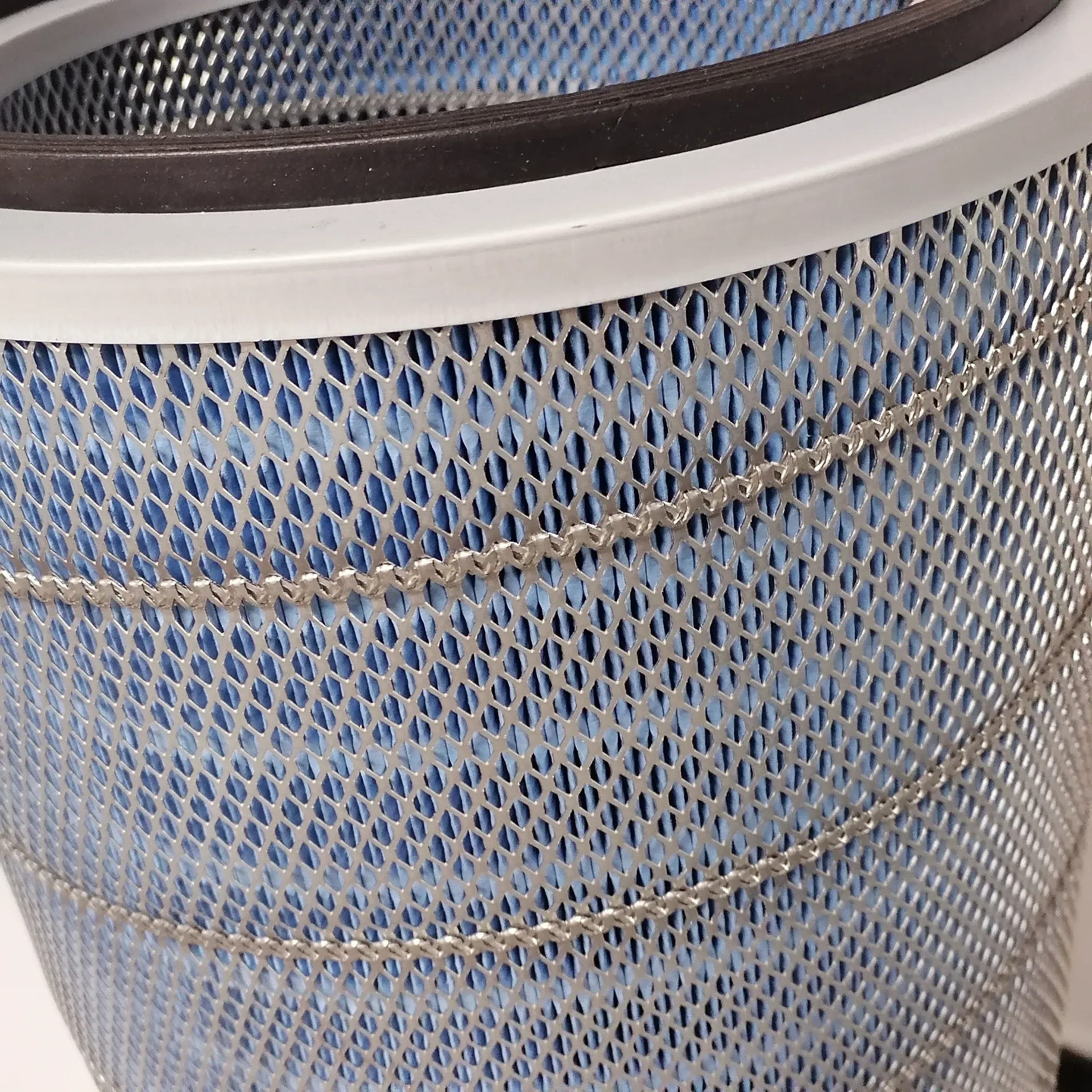
Surface Filtration Fundamentals
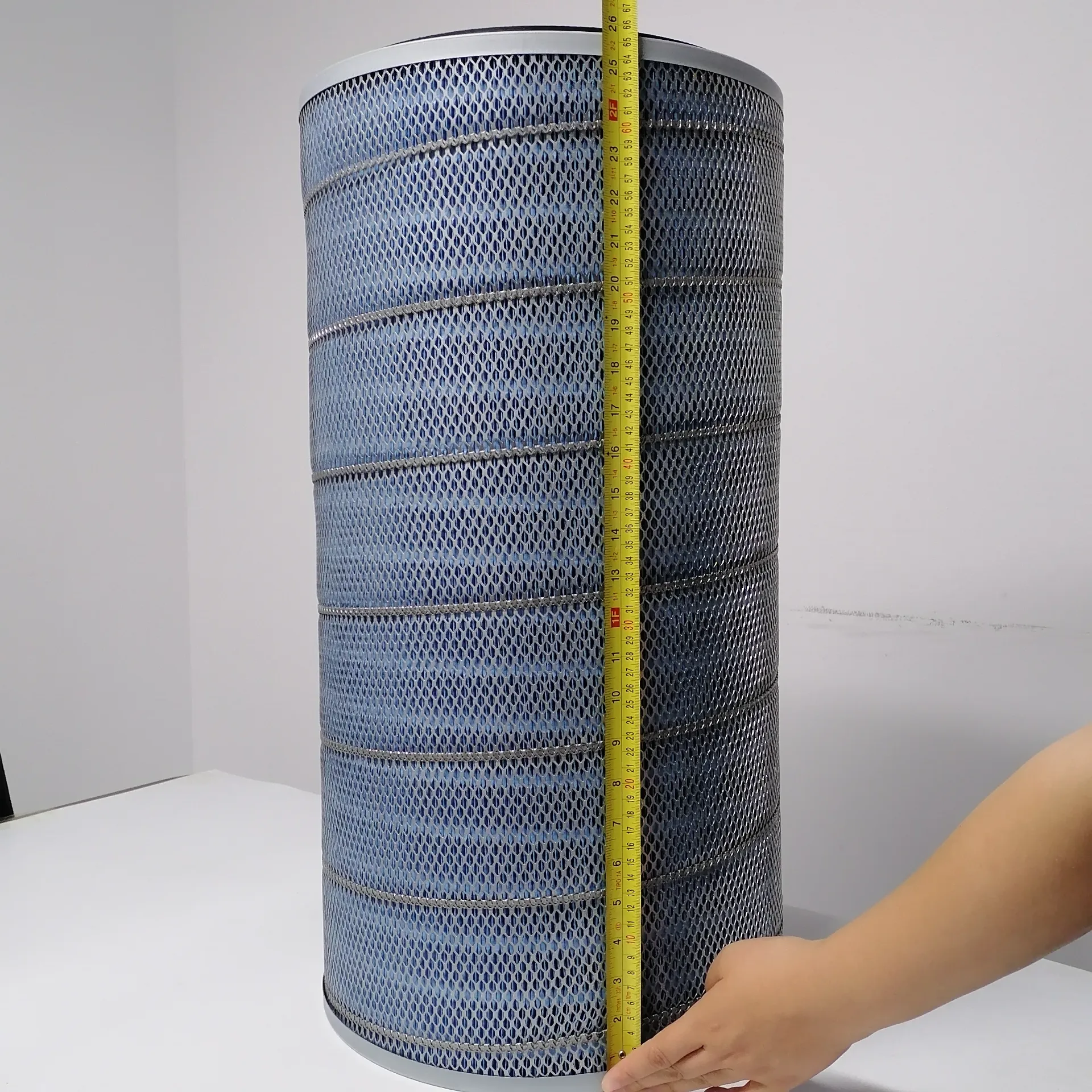
The core mechanism of a modern dust filter cartridge is surface filtration. Unlike depth filters that trap particles throughout the thickness of the media, surface filters utilize a tiny, air-permeable tissue on the exterior. This allows particulate matter to be blocked at the surface, creating a "dust cake" that can often be removed through mechanical means without damaging the internal structure.
This architectural approach is essential for applications requiring high efficiency and the ability to be cleaned. By confining the filtration to the surface, the system can maintain a more predictable pressure drop and simplify the maintenance process, as the trapped debris does not embed deep within the fibers.
Structural Components and Material Science
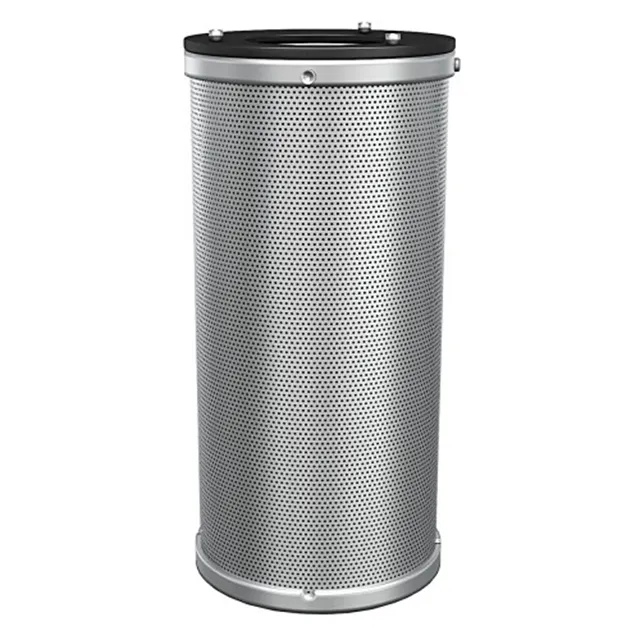
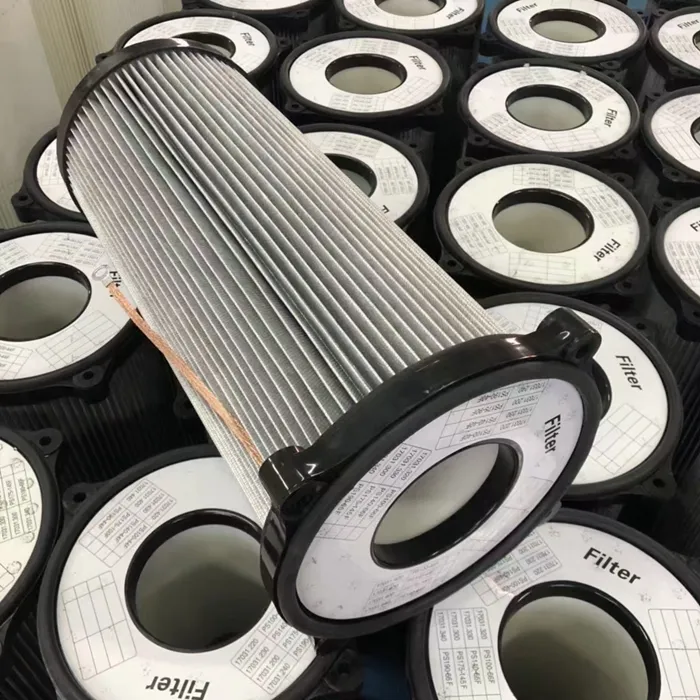
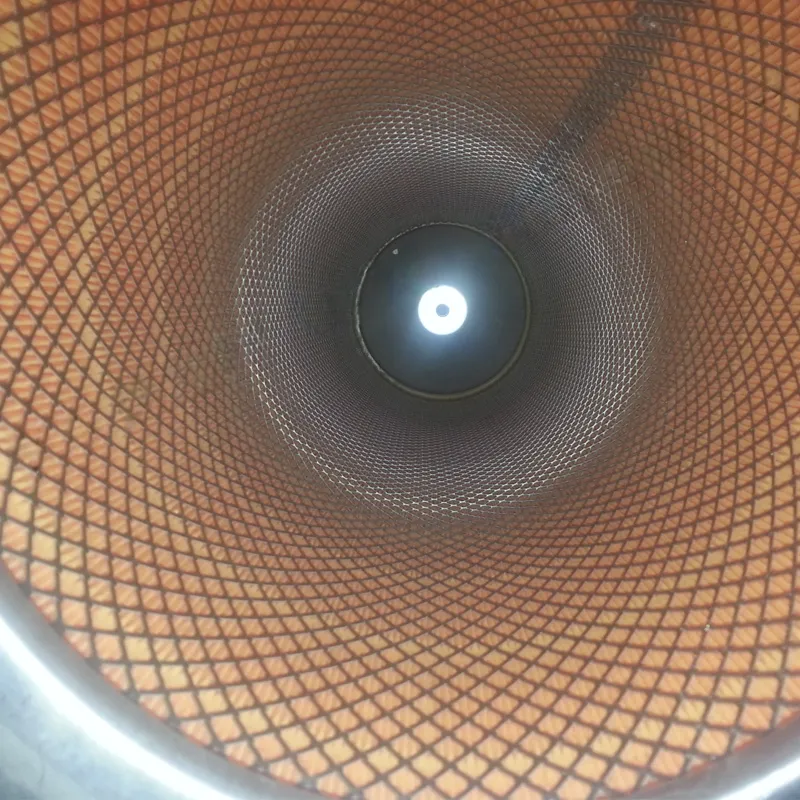
The reliability of a filter cartridge depends on the synergy between its media and its hardware. The central skeleton, typically electro-galvanized to prevent rust, provides the necessary radial support to prevent media collapse under high vacuum or pressure. The end caps—available in high-grade plastic or stamped galvanized iron plates—ensure a leak-proof interface between the cartridge and the housing.
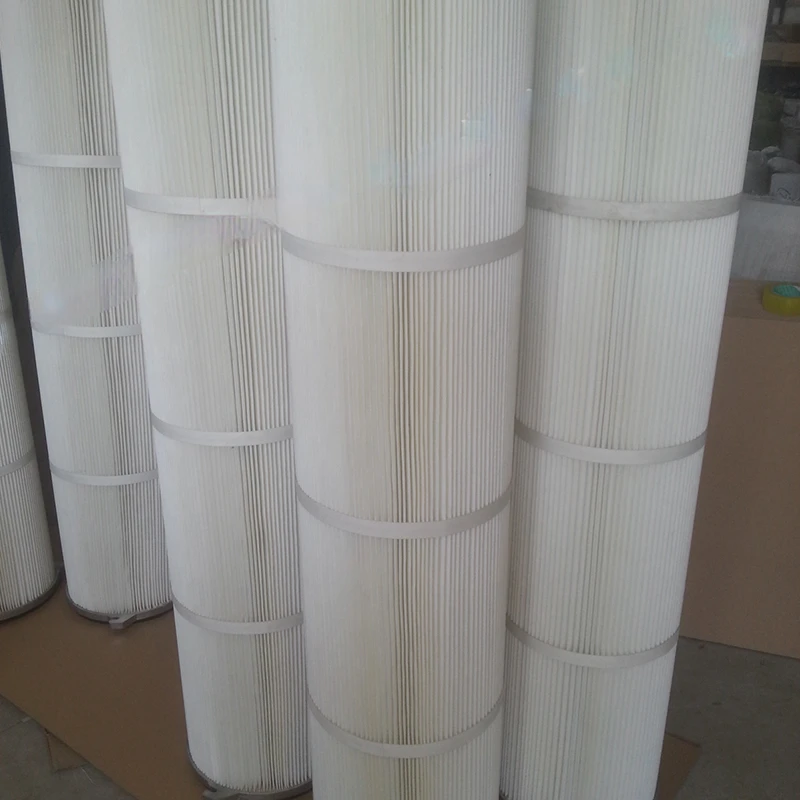
Material selection is equally critical. Spunbond polyester fiber non-woven fabrics are frequently employed due to their versatility. These materials can be further treated with coatings to provide oil resistance, waterproof properties, and anti-static capabilities, making them suitable for volatile environments like the pigment or chemical industries.
Finally, the sealing mechanism, often a specialized rubber ring, prevents "bypass," where unfiltered air escapes around the filter media. Without an airtight seal, even the highest efficiency media becomes ineffective, as the path of least resistance allows contaminants to enter the downstream system.
The Role of Media Stiffness and Wear Resistance
In systems utilizing pulse-jet cleaning, the filter media is subjected to sudden, high-velocity bursts of compressed air. This "pulse backwash" creates significant mechanical stress on the fibers. Traditional materials often fatigue and tear under these conditions, leading to premature failure and contamination leaks.
Imported long-fiber polyester materials, characterized by interlaced and evenly distributed fibers, offer superior wear resistance and stiffness, allowing the filter element to withstand repeated pulse cleaning cycles while remaining washable.
This increased stiffness ensures that the media maintains its shape and pore structure over time. When the material is robust enough to resist the mechanical shock of air pulses, the operational lifespan of the cartridge is extended, reducing the frequency of replacements and lowering the total cost of ownership for the plant operator.
Filtration Efficiency vs. Pressure Drop
A fundamental trade-off in air purification is the relationship between filtration efficiency and the pressure drop (resistance) across the media. While denser media can trap smaller particles, they also restrict airflow, forcing the blower or compressor to work harder, which increases energy consumption.
Optimal performance is achieved when the media is engineered to provide maximum surface area—often through pleating—while maintaining a pore size that targets specific particulate dimensions. This allows the system to achieve high dust removal efficiency without an exponential increase in energy costs.
Figure 2. Media Performance Index Comparison
Operational Scenarios and Customization
The application environment dictates the specifications of the filter. For instance, powder spraying and sandblasting operations generate heavy abrasive dust that requires high-stiffness media. In contrast, central air conditioning duct cleaning focuses on finer particulates where air permeability is prioritized. The pigment and wood processing industries often face a mix of moisture and dust, necessitating oil-proof and waterproof coatings on the polyester fabric.
Because standard sizes—such as the common 325660mm or 350660mm diameters and heights—do not fit every system, customization is essential. ONLY TECHNOLOGY (HEBEI PROVINCE) CO., LTD provides tailored specifications to ensure a precise fit, preventing the air bypass that often occurs with "near-fit" generic cartridges.
Evolving Trends in Air Purification
The industry is moving toward "smart" filtration, where sensors monitor the pressure differential across the hepa filter cartridge in real-time. This allows for predictive maintenance, triggering cleaning cycles or replacements only when necessary, rather than on a fixed schedule.
Sustainability is also influencing material development. There is an increasing demand for filter media that can be washed and reused multiple times without losing efficiency. The development of high-stiffness, long-fiber materials is a direct response to the need for reducing industrial waste.
Furthermore, the integration of multi-stage filtration—combining Activated Carbon Filter Cartridges for gaseous pollutants with Dust Removal Filter Cartridges for particulates—is becoming standard in complex industrial air purification projects.
Selection Framework for Filter Cartridges
Choosing the right filter involves more than matching dimensions. A procurement engineer must evaluate the chemical nature of the dust, the frequency of cleaning cycles, and the required filtration grade. A mismatch in material, such as using wood pulp fiber in a high-moisture environment, will lead to rapid degradation and system failure.
The trade-off between cost and longevity is central to the decision. While low-cost cartridges may seem attractive, the cost of unplanned downtime and the energy penalty of higher pressure drops often make high-performance polyester options more economical over the long term.
The following framework illustrates the relative suitability of different media types based on common industrial requirements.
| Media Type | Moisture Resistance | Mechanical Strength | Typical Use Case |
|---|---|---|---|
| Wood Pulp Fiber | Low | Moderate | Dry air / Low load |
| Spunbond Polyester | Moderate | High | General Dust Removal |
| Coated Polyester | High | High | Oil/Water mist environments |
| Metal Wire Mesh | Very High | Extreme | Liquid filtration / Pre-filter |
| Long-fiber Polyester | Moderate | Extreme | Pulse-jet cleaning systems |
| Activated Carbon | Low | Moderate | VOC and Odor removal |
Questions & Answers
A surface filter uses a thin, air-permeable membrane or tissue to block particles on the exterior of the media, whereas a depth filter traps particles within the thick, porous structure of the material. Surface filters are generally easier to clean via pulse-jet systems and are preferred when high efficiency and recyclability are required.
Pulse backwashing uses bursts of air to shake dust off the filter. If the media lacks sufficient stiffness or wear resistance, these pulses cause fiber fatigue and eventual tearing. Using long-fiber polyester ensures the media can withstand these mechanical shocks, significantly extending the cartridge's service life compared to traditional filter papers.
For environments with oil or moisture, coated spunbond polyester is the ideal choice. The coating provides a hydrophobic and oleophobic barrier that prevents liquids from soaking into the fibers, which would otherwise clog the pores (blinding) and cause a massive spike in pressure drop.
The central skeleton provides the structural rigidity needed to keep the pleated media open under pressure. Electro-galvanization provides a protective zinc layer that prevents rust and corrosion, which is critical because a rusted skeleton can puncture the filter media from the inside, leading to system contamination.
No. Wood pulp fiber filters are generally disposable as washing destroys their structure. However, polyester-based cartridges, especially those made from long-fiber materials, are designed to be washed repeatedly. The ability to reuse a filter depends entirely on the material's stiffness and the type of contaminants trapped.
The primary risk is "bypass." Even a small gap in the seal allows a significant percentage of unfiltered air to flow around the cartridge. This renders the high-efficiency media useless, as the downstream equipment is exposed to raw dust, potentially causing mechanical wear or product contamination.
Final Thoughts
The effectiveness of an air purification system is only as strong as its filtration element. By prioritizing material stiffness, ensuring a precise seal, and matching the media to the specific environmental challenges—whether it be oil, moisture, or abrasive dust—operators can maximize both equipment uptime and energy efficiency.
As industrial standards continue to evolve, the transition toward durable, washable, and customized filter solutions will be key to sustainable manufacturing. Investing in high-specification components today prevents the costly systemic failures of tomorrow.