- 2026-10-22
powder coating cartridge filters performance analysis
Fine-tuning the recovery of oversprayed particles is a critical operational challenge in industrial finishing lines. When dealing with electrostatic powder coating, the efficiency of the recovery system depends almost entirely on the ability of the filtration media to capture micron-sized particles without compromising airflow velocity.
The transition toward high-performance powder coating cartridge filters reflects a broader industry shift toward reducing material waste and improving environmental compliance. Standard filters often struggle with the abrasive nature of powder resins, leading to premature pressure drops and increased downtime for maintenance.
Evaluating the structural integrity and material composition of these elements is essential for any facility aiming to optimize its powder reclamation rate and ensure a consistent finish on every workpiece.
The Role of Cartridge Filtration in Powder Systems
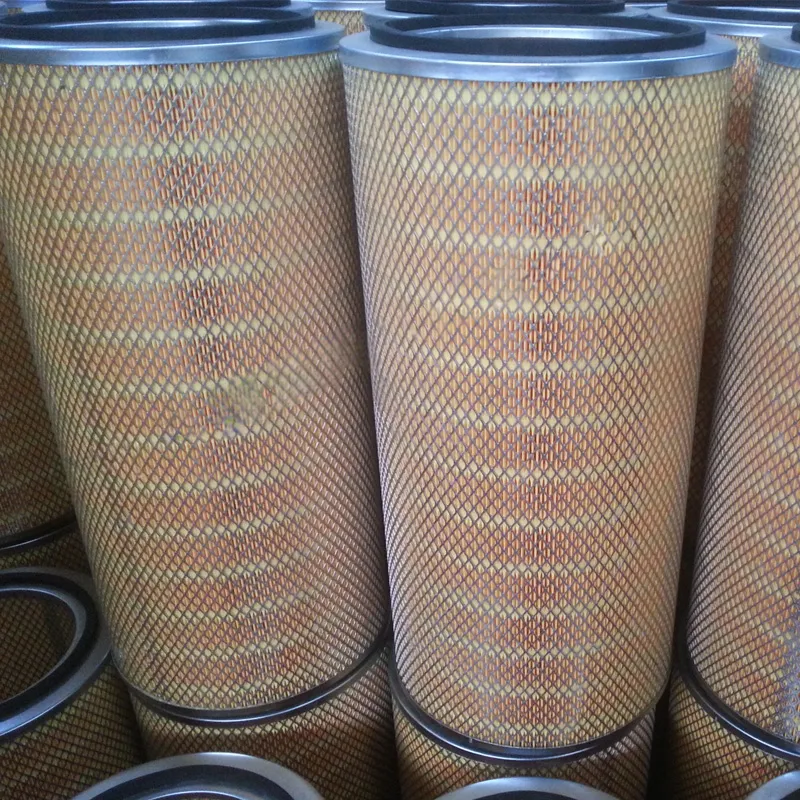
In powder coating booths, the primary objective is to separate the oversprayed powder from the carrier air. Cartridge filters serve as the primary barrier, utilizing surface filtration to block particulate matter while allowing clean air to pass through. Unlike bag filters, cartridge designs offer a higher surface-area-to-volume ratio, which is crucial for compact booth designs.
The operational success of these systems relies on the "dust cake" formation—a thin layer of powder that actually enhances filtration efficiency over time. However, if the cartridge is not designed to withstand the subsequent cleaning cycle, this cake becomes a permanent blockage, leading to system failure.
Technical Anatomy of High-Performance Elements
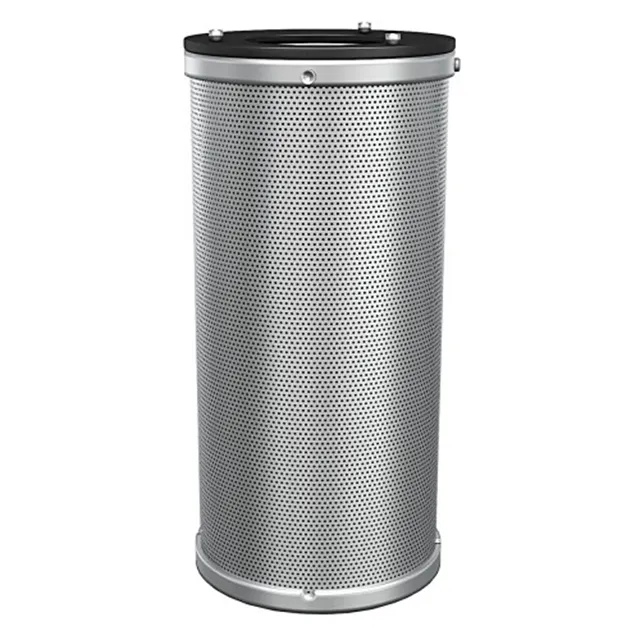
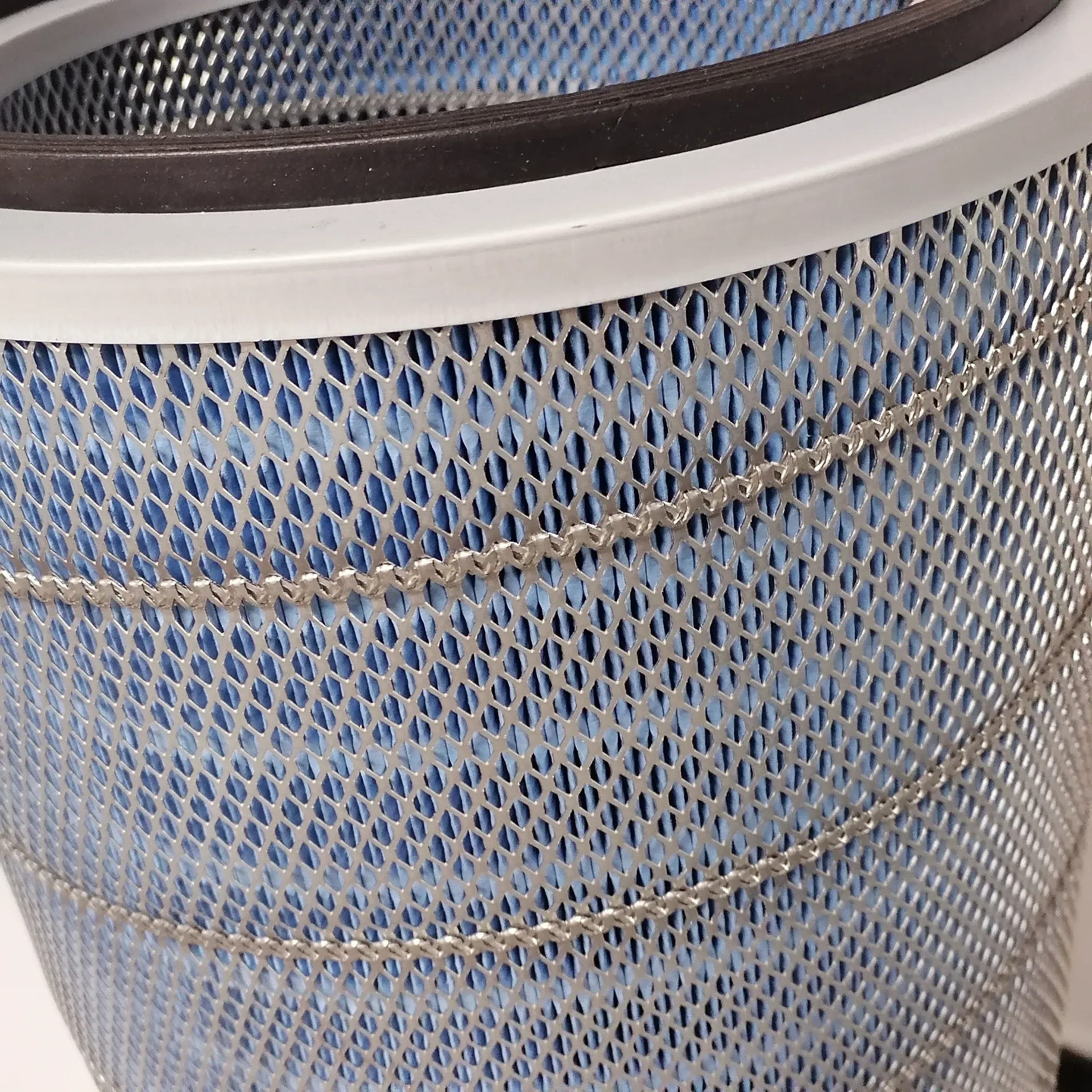
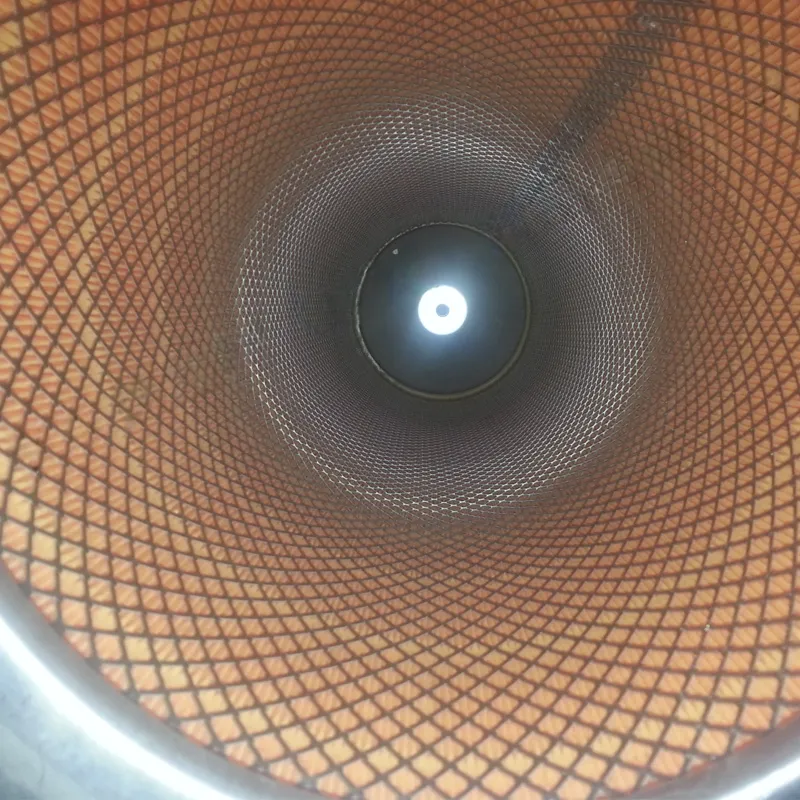
A professional-grade filter is more than just a piece of fabric; it is an engineered assembly. The central skeleton is typically electro-galvanized to prevent oxidation and rust, ensuring that the structural support does not degrade in humid industrial environments. This skeleton maintains the cylindrical shape under the pressure of high-velocity airflow.
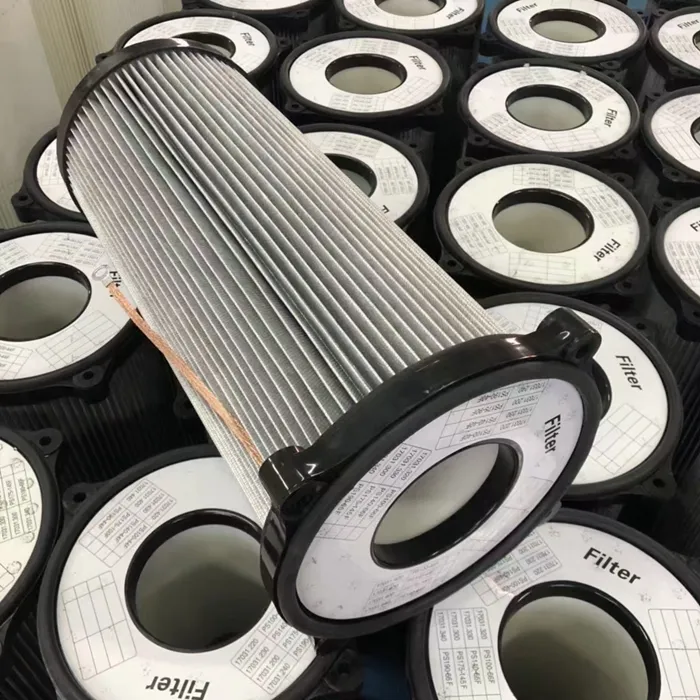
The end caps are critical for preventing bypass. Using high-quality plastic covers or non-porous galvanized stamped iron plates ensures a tight seal against the housing. When combined with specialized sealing rubber rings, the assembly prevents "leakage" where powder could bypass the media and enter the exhaust system or the clean-air plenum.
Furthermore, the choice of media—ranging from wood pulp fiber to spunbond polyester—determines the filter's interaction with the powder. Spunbond polyester is often preferred for its versatility, as it can be treated to be oil-proof, waterproof, and anti-static, which is vital for preventing electrostatic build-up within the filter housing.
Material Selection for Pulse-Jet Environments
Most modern powder systems employ a pulse-jet cleaning mechanism, where a blast of compressed air is shot backward through the filter to dislodge the accumulated powder. This creates significant mechanical stress on the filter material. Traditional materials often fatigue and tear under these conditions, leading to frequent replacements.
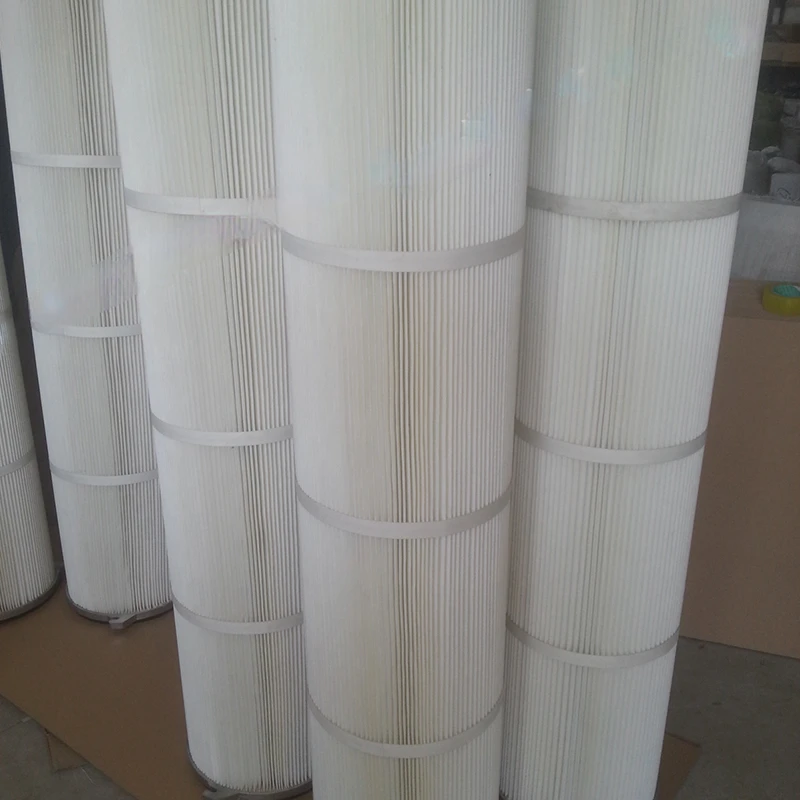
The use of imported long-fiber polyester creates an interlaced fiber distribution that provides superior wear resistance and stiffness, allowing the filter to withstand repeated pulse backwashes while remaining washable.
This structural resilience means that the filter can be washed repeatedly without losing its permeability or structural shape. For facilities operating in the pigment or wood processing industries, where particulates can be particularly abrasive, this stiffness prevents the media from collapsing or "blinding" permanently.
Assessing Filtration Efficiency Indices
When evaluating the performance of powder coating cartridge filters, the industry looks beyond simple "capture rates." The focus is on the balance between filtration efficiency and the pressure drop across the element. A filter that captures 99.9% of particles but restricts airflow excessively will increase energy costs and reduce the booth's suction capacity.
Efficiency is often measured by the ability of the surface-permeable tissue to block particulate matter. The following index illustrates how different material treatments affect the balance of oil resistance, anti-static properties, and overall mechanical durability.
Figure 2. Performance Index by Filter Media Type
Operational Scenarios and Integration
In a typical industrial setting, such as a central air conditioning duct cleaning operation or a large-scale powder spraying line, the filters must be easily replaceable to minimize downtime. Chuck-type dust filter elements are designed for this purpose, allowing for simple installation and maintenance without requiring specialized tools.
For manufacturers who require non-standard dimensions, customization is often necessary. While common specifications like 325x660mm or 350x660mm (converted from imperial 12.75'' diameter) cover most imported equipment, customized elements ensure a perfect fit, which is the only way to completely eliminate air bypass and ensure 100% filtration efficiency.
Evolution of Dust Removal Standards
The industry is moving away from simple disposable filters toward sustainable, washable solutions. The integration of long-fiber polyester and electro-galvanized skeletons allows companies to extend the lifecycle of their filtration assets, reducing the volume of industrial waste generated by coating booths.
Modern standards also emphasize the "multi-modal" nature of filtration. For example, some systems now combine a pre-filter for larger particles with high-efficiency cartridge filters for fine powders. This tiered approach prevents the primary cartridges from overloading, significantly extending the time between cleaning cycles.
The role of ONLY TECHNOLOGY (HEBEI PROVINCE) CO., LTD in this space has been to provide these tailored solutions, focusing on the reliability of the seal and the consistency of the fiber distribution to meet the stringent air purification requirements of the chemical and construction industries.
Comparison Framework for Filter Selection
Selecting the right filter requires a trade-off analysis between initial cost, longevity, and filtration precision. A cheap wood-pulp filter may suffice for low-volume applications, but in a high-throughput powder line, the cost of downtime for frequent replacements quickly outweighs the initial savings.
Technical considerations must include the chemical compatibility of the media with the specific powder resin being used. Some powders may require an oil-proof coating on the polyester to prevent the media from becoming "sticky," which would render the pulse-cleaning system ineffective.
The following framework provides a comparative look at the suitability of different filter materials across various industrial requirements.
| Material Type | Pulse-Jet Resistance | Oil/Water Repellency | Relative Lifespan | Best Application |
|---|---|---|---|---|
| Wood Pulp Paper | Low | Low | Short | General Air Dust |
| Standard Polyester | Medium | Medium | Medium | Dry Powder Coating |
| Coated Polyester | High | High | Long | Oily/Humid Environments |
| Anti-Static Poly | High | Medium | Long | Combustible Dust |
| Metal Wire Mesh | Extreme | High | Very Long | Liquid/Coarse Media |
| Long-Fiber Poly | Very High | Medium | Long | High-Freq Pulse Systems |
Questions & Answers
Surface filtration, used in high-quality powder coating cartridge filters, blocks particles on the outer skin of the media. This allows the "dust cake" to form, which can then be easily removed via pulse-jet cleaning. Depth filtration allows particles to penetrate into the media thickness, which often makes the filter non-washable and shorter-lived in powder recovery applications.
The end cap serves as the primary seal between the filter and the housing. If the cap is poorly fitted or made of low-grade material that warps, air will take the path of least resistance and bypass the filter media entirely. Using non-porous galvanized iron or high-grade plastic ensures a leak-proof connection, maintaining the required filtration efficiency.
Yes, provided they are made from long-fiber polyester or similar synthetic materials. These materials possess the stiffness and wear resistance necessary to withstand the mechanical stress of pulse-cleaning and occasional wet washing. Wood pulp filters, by contrast, are typically disposable as they lose structural integrity when wet or subjected to heavy pulsing.
Powder coating involves electrostatic charges. As particles move through the filter at high speeds, static electricity can build up on the media. Without anti-static treatments, this can lead to sparks or cause the powder to cling too aggressively to the filter, making the cleaning cycle ineffective and increasing the risk of operational hazards.
If your equipment was imported or is a specialized build, standard metric sizes (like 325x660mm) might leave small gaps in the seal. If you notice powder leaking into the clean-air plenum or if the filter doesn't sit flush against the chuck, a customized specification is required to ensure the sealing rubber ring performs correctly.
Electro-galvanizing provides a thin, uniform layer of zinc that protects the steel skeleton from corrosion. In environments where humidity is high or where the cleaning process involves moisture, a non-galvanized skeleton would rust, eventually causing the filter media to tear and creating rust contaminants in the recovered powder.
Final Thoughts
Optimizing a powder recovery system is a matter of balancing material science with mechanical design. By prioritizing the use of long-fiber polyester and ensuring a precision fit through high-quality end caps and seals, operators can significantly reduce material waste and lower the total cost of ownership.
As industrial standards for air purity and waste reduction continue to tighten, the shift toward durable, washable, and highly efficient cartridge filtration is no longer optional—it is a prerequisite for competitive manufacturing.