- 2026-11-11
Air Filter Cartridge Manufacturers Material Performance Analysis
Industrial air filtration is no longer just about removing dust; it is about protecting multi-million dollar turbines and compressors from microscopic abrasive particles that can cause catastrophic failure. The precision of the filter media determines the balance between operational airflow and the purity of the intake.
As industrial environments face stricter emission controls and higher efficiency demands, the role of air filter cartridge manufacturers has shifted toward developing composite materials that maintain low resistance while achieving near-total filtration efficiency.
This report examines the technical specifications, selection frameworks, and material innovations currently defining high-efficiency cellulose and composite air filtration systems.
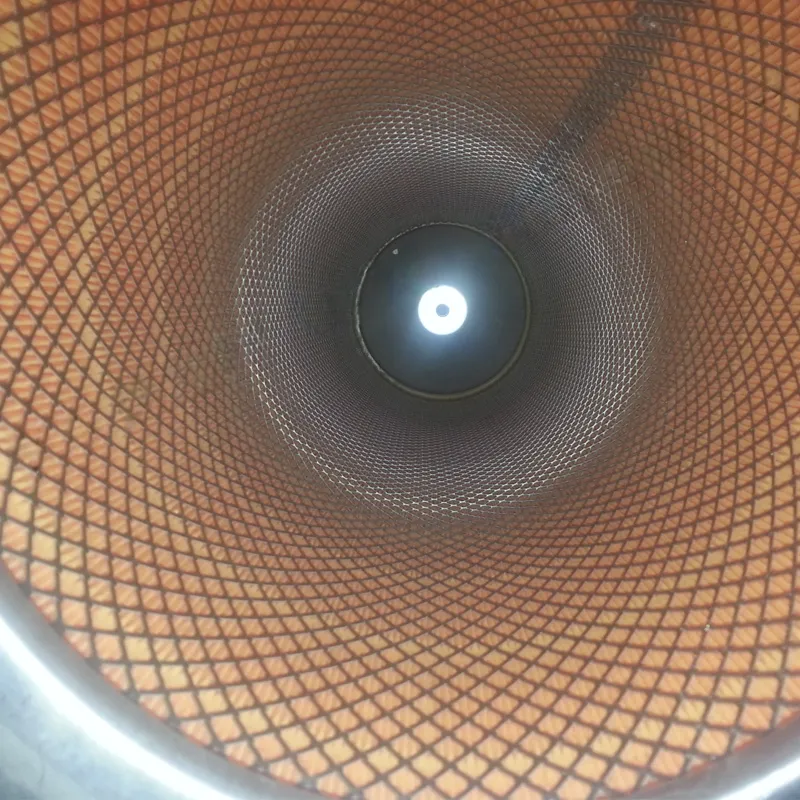
The Mechanics of Industrial Air Filtration
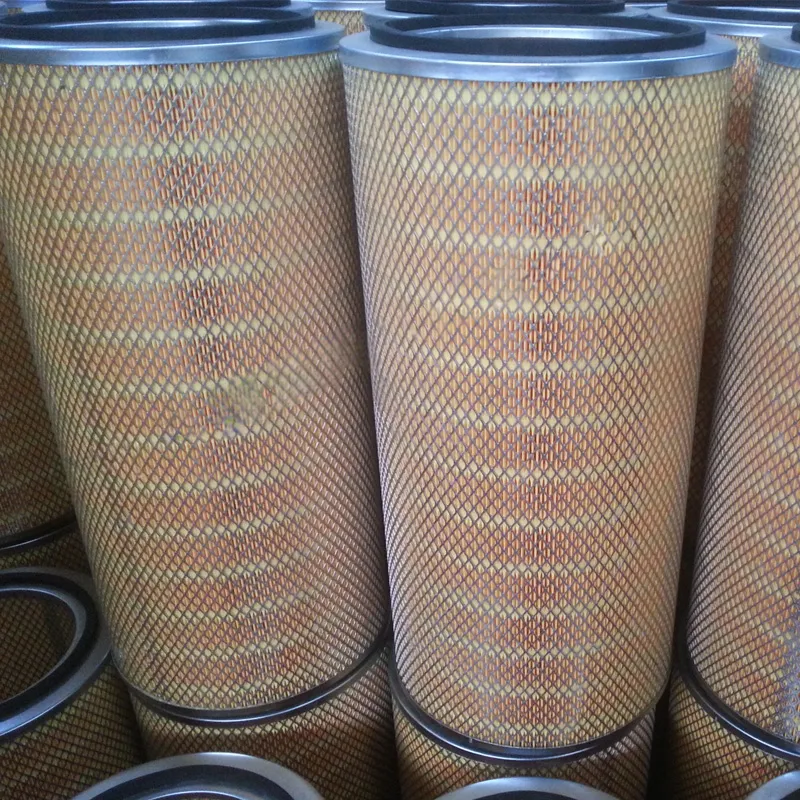
At its core, an air filter cartridge functions through a combination of interception, impingement, and diffusion. For high-capacity systems, the primary challenge is maximizing the surface area without increasing the overall footprint of the housing.
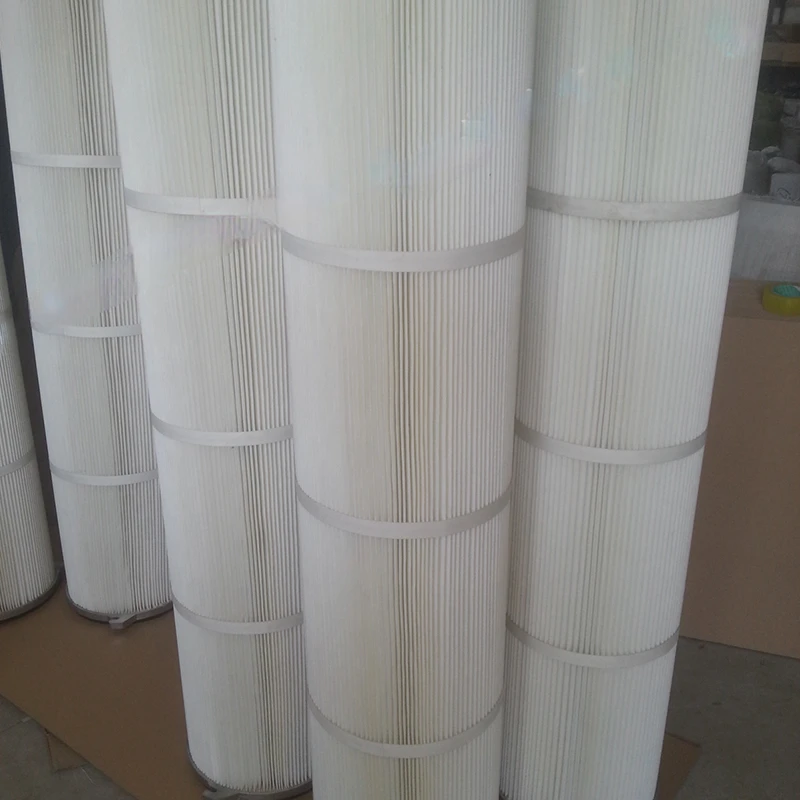
Modern designs utilize advanced folding technology to ensure even intervals between pleats. This prevents "pleat bunching," which would otherwise create preferential flow paths and allow unfiltered air to bypass sections of the media, reducing the overall effective lifespan of the element.
Critical Design Factors for Filter Longevity
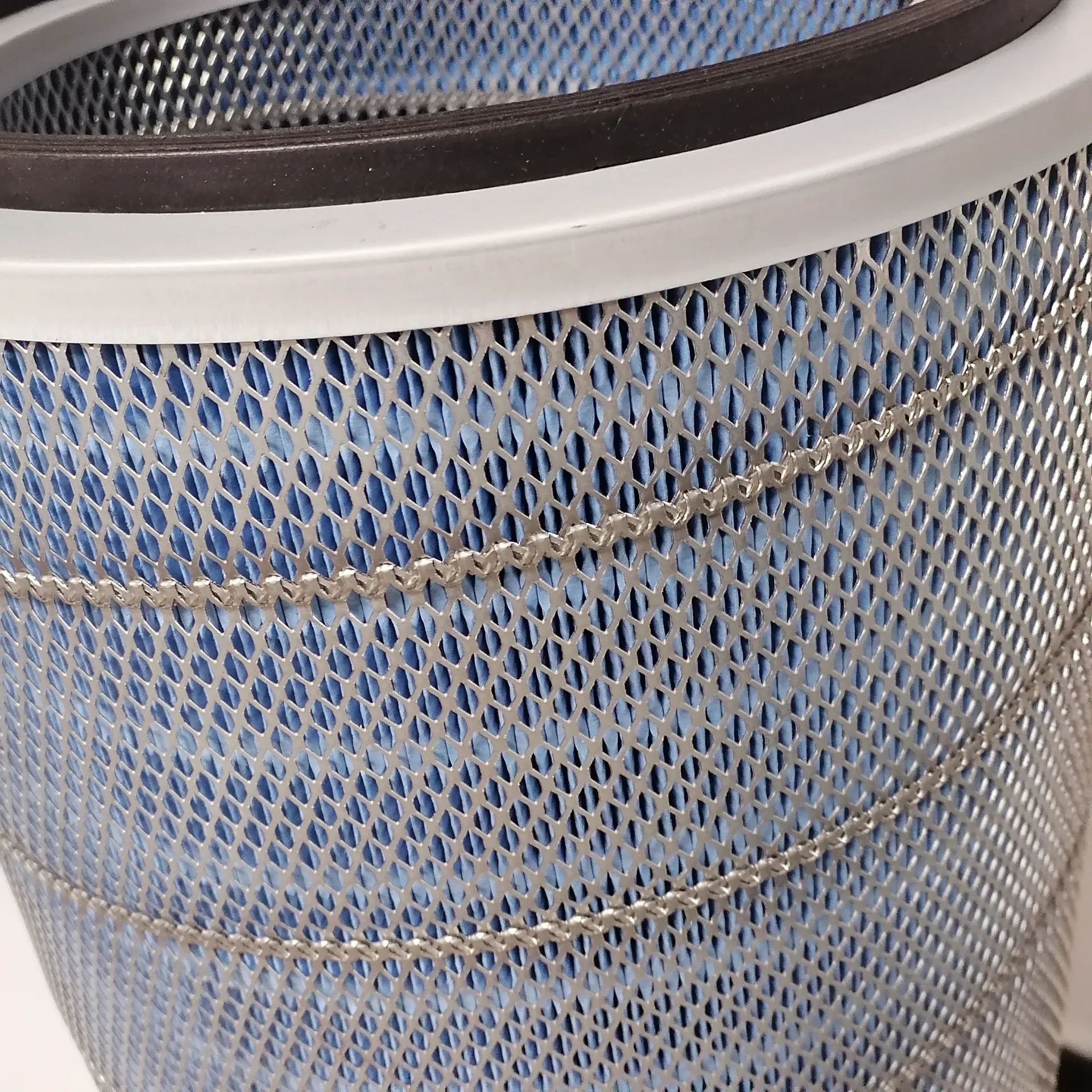
Structural integrity is as critical as filtration efficiency. In high-pressure environments, such as centrifugal air compressors, a filter cartridge must resist deformation. The use of electro-galvanized end caps and diamond mesh center frames provides the necessary rigidity to prevent the media from collapsing under high vacuum loads.
Sealing is the second point of failure. A microscopic gap in the seal can lead to "dust bypass," where contaminants enter the system regardless of the media's efficiency. The integration of closed-cell elastic neoprene ensures a tight, airtight seal that remains resilient across varying operating temperatures.
Finally, the chemistry of the bonding agents determines the durability of the pleats. High-quality adhesives prevent degumming or cracking during continuous high-load operations, ensuring that the media remains securely attached to the end caps throughout its service cycle.
Material Analysis: Cellulose vs. Synthetics
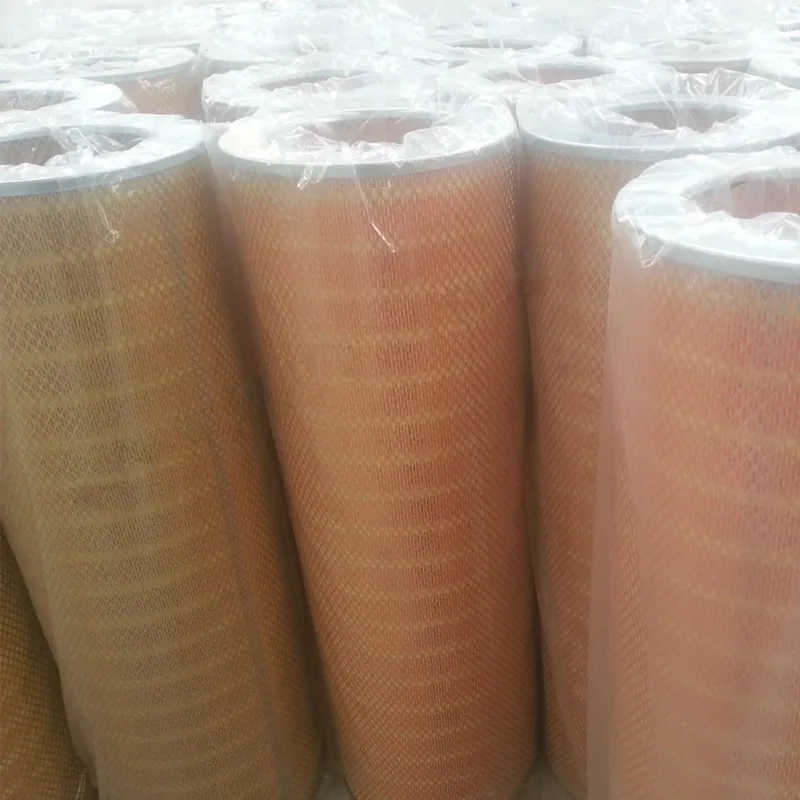
Cellulose, derived from high-efficiency wood pulp fiber, remains a staple for many air filter cartridge manufacturers due to its excellent balance of permeability and particle capture. It is particularly effective for removing larger floating dust and fly ash.
The efficiency of a cellulose filter is not solely dependent on pore size, but on the depth of the media; a thicker bed allows for greater dust-holding capacity before the pressure drop becomes critical.
While synthetic fibers offer higher moisture resistance, treated cellulose provides a cost-effective solution for gas turbines and diesel engines operating in normal temperature ranges. When combined with composite layers, cellulose can achieve filtration efficiencies of up to 99.99% for particles as small as 2µm.
Evaluating Filtration Performance Metrics
When comparing filter cartridges, engineers look at the relationship between flow rate (m³/h) and pressure drop. A larger filter area (m²) generally correlates with lower resistance, which reduces the energy consumption of the intake blower or compressor.
Performance is often measured via a relative index comparing various design factors. For instance, the balance between filtering efficiency and air permeability is the primary trade-off in air purification design.
Figure 2. Relative Performance Index of Filter Design Factors
Deployment in High-Load Systems
In a typical industrial setting, such as a steel blast furnace or a centralized air-conditioning system, the filter cartridge is the first line of defense. These systems require long-term, continuous operation where any downtime for filter replacement results in significant production loss.
Therefore, the choice of cartridge must account for the specific contaminant profile—whether it is fine fly ash, floating dust, or oil mists. For instance, the ON-series cartridges provided by ONLY TECHNOLOGY are tailored for these high-load scenarios, utilizing imported special composite papers to ensure consistent airflow even as the filter loads with particulates.
Evolution of Dust Removal Technologies
The industry is moving toward "intelligent filtration," where pressure sensors communicate directly with the control system to trigger replacements only when the media is actually saturated. This reduces waste and prevents premature replacement of expensive filter elements.
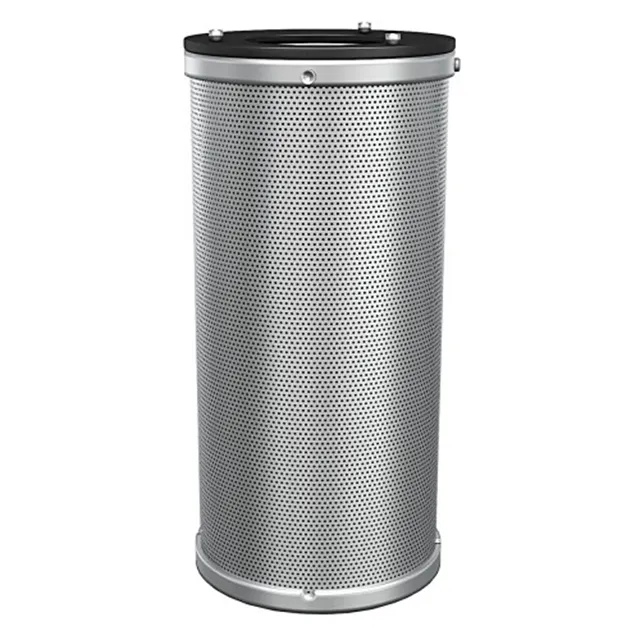
Concurrent with this is the development of multi-stage filtration. Combining a coarse dust removal cartridge with a fine activated carbon or cellulose element allows each stage to handle a specific particle size, extending the life of the final, most expensive filter.
Future developments are focusing on nano-fiber coatings. By applying a nanolayer to traditional cellulose, manufacturers can achieve higher efficiency without significantly increasing the pressure drop, solving the age-old trade-off between purity and power.
Selection Framework for Industrial Procurement
Selecting the correct cartridge requires a detailed analysis of the operational environment. Buyers often make the mistake of focusing only on the filtration percentage (e.g., 99.99%) while ignoring the flow capacity and operating temperature limits.
A robust decision framework involves mapping the required flow rate against the available housing dimensions. For example, an ON-4088 model provides a significantly larger filter area than an ON-3260, which is essential for systems requiring flows above 1000 m³/h to maintain low resistance.
Ultimately, the total cost of ownership is determined by the replacement frequency. A cheaper filter with a lower dust-holding capacity may cost more over a year due to increased labor and system downtime.
| Evaluation Factor | Critical Requirement | Impact of Failure | Recommended Spec |
|---|---|---|---|
| Particle Size | 2µm to 10µm | Equipment Erosion | 99.99% Efficiency |
| Air Flow Rate | 600 - 2100 m³/h | System Starvation | Large Filter Area (m²) |
| Temperature | -30°C to 105°C | Seal Degradation | Closed-cell Neoprene |
| Chemical Exposure | Moisture/Oxidation | Media Corrosion | Electro-galvanized Caps |
| Operational Load | Continuous/High-Load | Pleat Collapse | Diamond Mesh Frame |
| Service Life | Long-term stability | Frequent Downtime | Composite Fiber Paper |
Questions & Answers
A high-quality cellulose cartridge is defined by its combination of high-efficiency wood pulp fiber, precise folding geometry to maximize surface area, and structural reinforcements. Key indicators include the use of electro-galvanized end caps to prevent rust and high-grade adhesives that prevent the media from peeling or cracking under high-pressure industrial loads.
The most accurate method is monitoring the differential pressure (ΔP) across the filter. When the pressure drop reaches a specific threshold defined by the equipment manufacturer, it indicates that the dust-holding capacity is exhausted. Replacing the element before it reaches critical saturation prevents potential media rupture and protects the downstream equipment from contamination.
Cellulose filters are generally designed for normal temperature ranges. For extreme heat, the materials must be evaluated against their specific thermal limits. Many industrial cellulose cartridges, such as those in the ON series, are rated for operating temperatures up to 105°C, but beyond this, synthetic or specialized ceramic media may be required to prevent degradation.
A standard filter uses a single type of media throughout. A composite filter integrates multiple layers—such as a coarse pre-filter layer followed by a fine cellulose or synthetic layer. This multi-stage approach allows the filter to capture a wider range of particle sizes more efficiently, significantly extending the lifespan of the high-efficiency inner layer.
The center frame, often made of electroplated galvanized diamond mesh, provides the internal skeleton for the filter. It prevents the pleats from collapsing inward during high-vacuum suction. A high opening rate in the mesh is crucial to ensure that the air flows freely through the media without adding unnecessary resistance to the system.
A larger filter area reduces the air velocity through the media, which typically increases the capture efficiency of smaller particles and lowers the pressure drop. While larger cartridges may have a higher initial purchase cost, they usually offer a lower total cost of ownership by reducing energy consumption and extending the time between replacements.
Final Thoughts
The selection of industrial air filtration components is a critical engineering decision that directly impacts the reliability of gas turbines, compressors, and other large-scale units. By prioritizing material quality, structural integrity, and precise dimensional matching, operators can ensure maximum equipment uptime.
As the industry evolves, the focus will continue to shift toward higher-efficiency composite media and data-driven replacement cycles, ensuring that air purification remains a catalyst for industrial efficiency rather than a bottleneck.