- 2026-11-09
heavy duty truck air filter technical performance analysis
Maintaining engine longevity in heavy-duty transport depends heavily on the quality of the air entering the combustion chamber. Even microscopic particulates can cause abrasive wear on cylinder walls and piston rings, leading to premature engine failure and increased operational costs.
The challenge for fleet managers and operators lies in balancing high filtration efficiency with low airflow resistance. A filter that blocks too much air increases fuel consumption, while one that lets too much through risks catastrophic engine damage, making the choice of a heavy duty truck air filter a critical maintenance decision.
This analysis explores the technical architecture of modern industrial air filtration, the materials driving performance gains, and the practical criteria for selecting elements that withstand the rigors of long-haul and off-road environments.
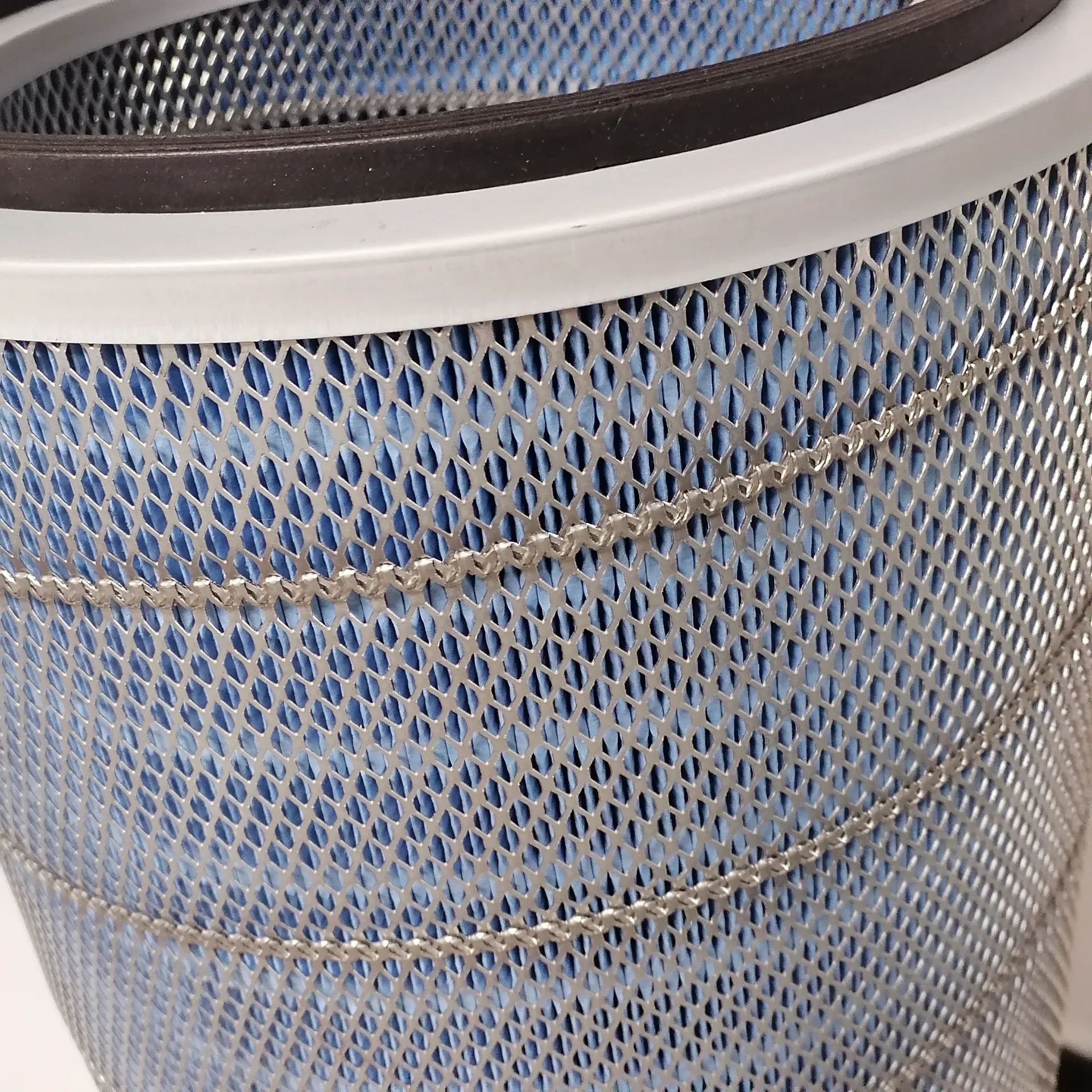
Mechanics of Surface Filtration
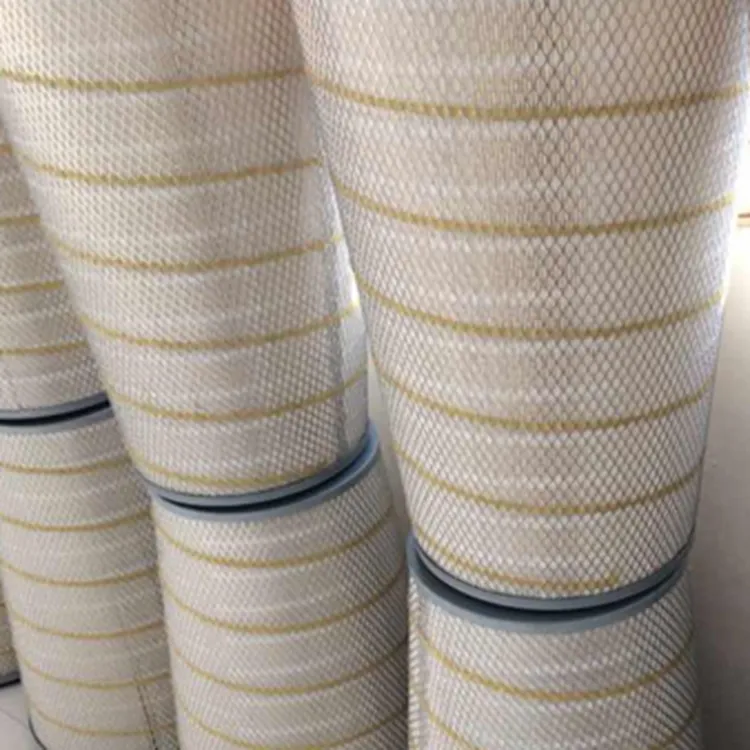
Surface filtration relies on the creation of a dense, air-permeable tissue on the exterior of the filter medium. This structure acts as a physical barrier, blocking particulate matter before it can penetrate the depth of the material. In heavy-duty applications, this prevents the "clogging" of the inner media, allowing for more efficient cleaning cycles.
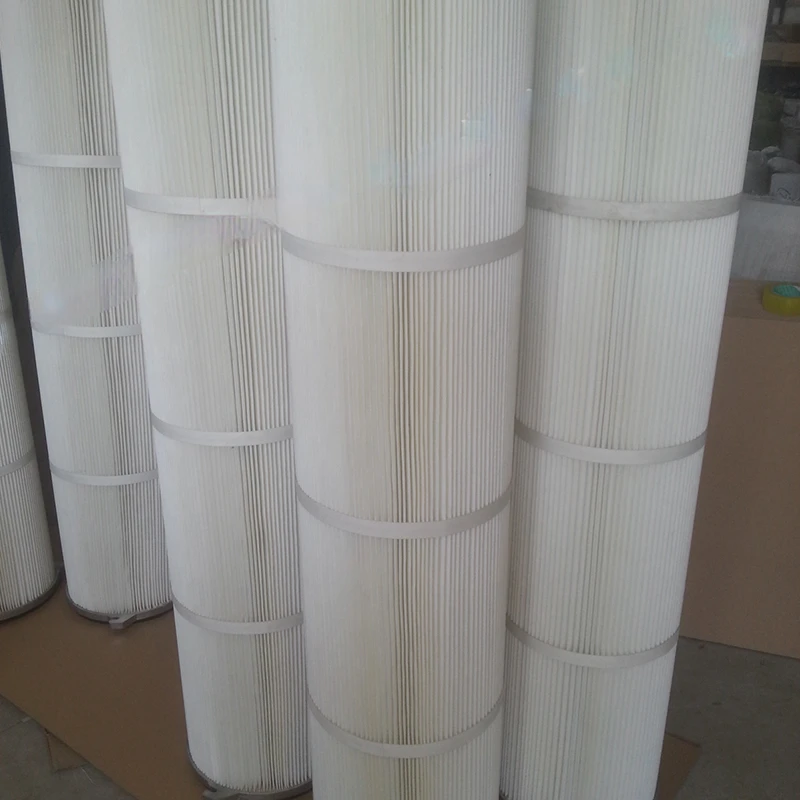
For an industrial heavy duty truck air filter, the efficiency of this surface layer determines the frequency of replacement. Materials like spunbond polyester non-woven fabrics are frequently employed to create this specialized tissue, often enhanced with coatings to provide oil-proof and waterproof characteristics.
Structural Components and Material Integrity
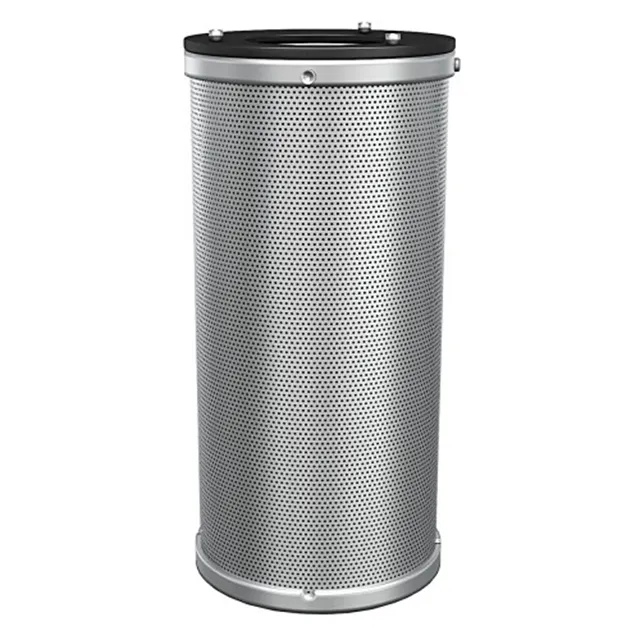
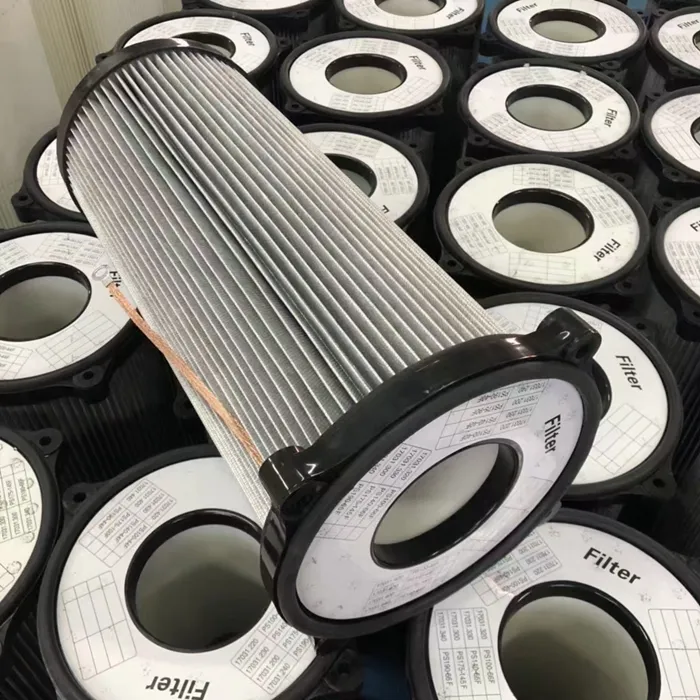
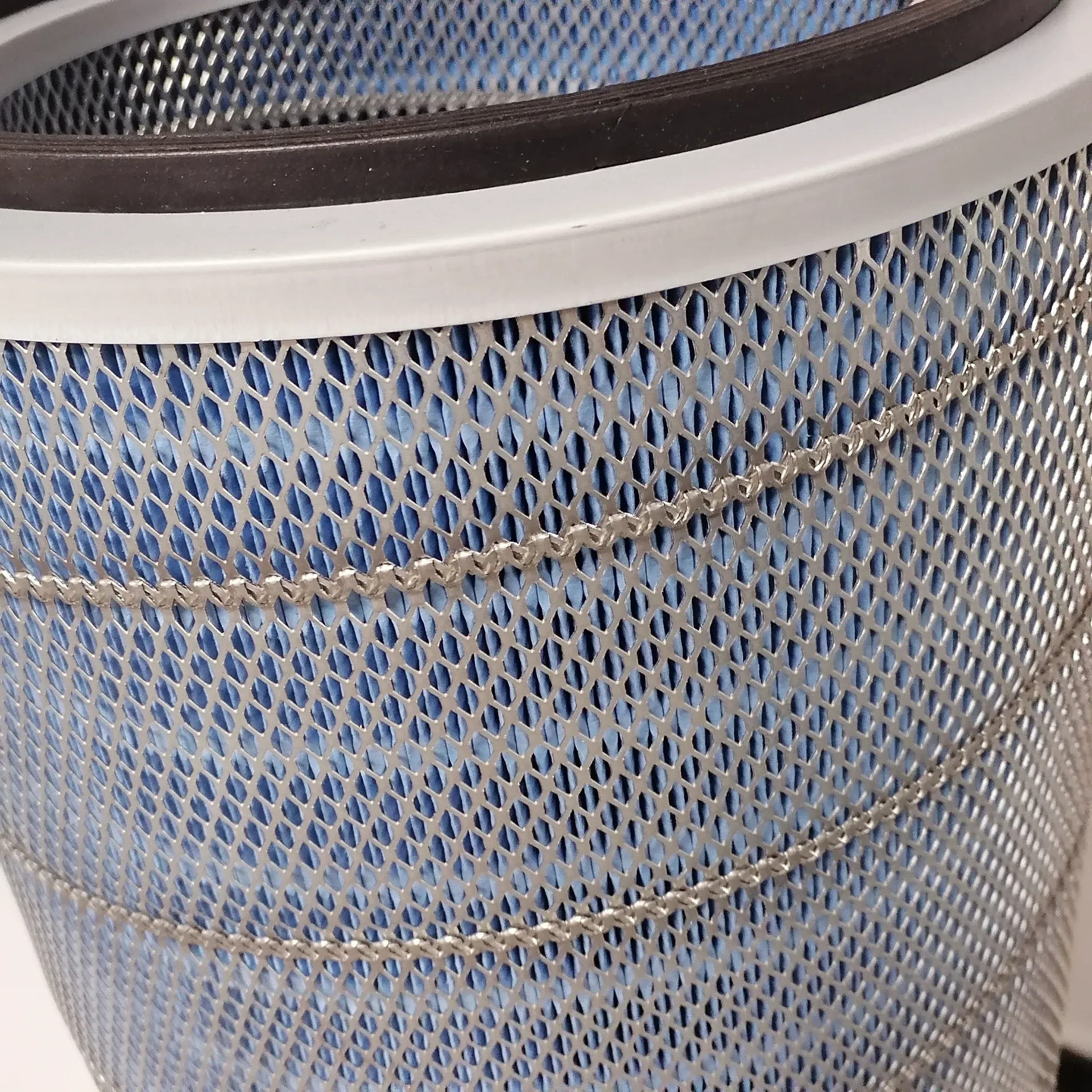
The structural integrity of a filter cartridge is as important as the media itself. A typical high-performance element consists of a central skeleton, end caps, and a sealing ring. The central skeleton, often electro-galvanized to prevent rust, ensures the element maintains its cylindrical shape under the pressure of high-velocity airflow, preventing the media from collapsing inward.
End caps provide the necessary seal between the filter media and the housing. The use of high-grade plastic covers or non-porous galvanized iron plates depends on the specific application, such as whether the unit is used for fan dust removal or central air conditioning duct cleaning. A failure in the end cap leads to "bypass," where unfiltered air enters the engine, negating the purpose of the entire system.
Sealing is further reinforced by special rubber rings. These components must withstand temperature fluctuations and vibrations common in heavy-duty trucking. When these elements are combined with imported long-fiber polyester, the result is a filter that offers high dust filtration efficiency while remaining simple to install and maintain.
The Impact of Pulse Backwash and Stiffness
In many industrial and heavy-duty settings, filters are cleaned using a pulse backwash system—a burst of compressed air sent in the reverse direction to dislodge accumulated dust. This process puts immense mechanical stress on the filter fibers and the bond between the media and the end caps.
Material stiffness is the primary determinant of a filter's lifespan in pulse-cleaning environments; long-fiber polyester's interlaced distribution provides the wear resistance necessary to withstand repeated backwashing without fiber degradation.
Traditional filter materials often suffer from "fiber shedding" or structural fatigue after several cleaning cycles. In contrast, high-stiffness polyester materials can be washed repeatedly, significantly extending the service interval and reducing the total cost of ownership for fleet operators.
Performance Metrics for Gaseous Media
Evaluating a heavy duty truck air filter requires looking beyond simple "fit." Technical assessment focuses on the balance between filtration efficiency (the percentage of particles captured) and the pressure drop (the resistance to airflow).
As the filter loads with dust, the pressure drop increases. If the media has poor stiffness or uneven fiber distribution, the pressure drop rises exponentially, forcing the engine to work harder and increasing fuel consumption. The following index illustrates the relative performance balance of different media types.
Figure 2. Relative Performance Index of Filter Media
Application Scenarios in Harsh Environments
In a typical industrial setting, such as powder spraying or sandblasting operations, air filters must handle extremely high dust loads. These environments require chuck-type dust filter elements that provide high filtration efficiency for compressed air, ensuring that contaminants do not reach sensitive downstream equipment.
Similarly, in the pigment and wood processing industries, anti-static and oil-resistant properties are mandatory. Spunbond polyester non-woven fabrics can be coated to resist these specific contaminants, preventing the media from becoming "blinded" by oil or causing sparks in volatile dust environments.
Evolution of Synthetic Filter Media
The industry is shifting from simple cellulose-based papers to complex synthetic composites. While wood pulp fiber remains cost-effective for low-demand applications, the requirements of modern heavy-duty engines demand materials that can handle higher moisture levels and more aggressive cleaning cycles.
Current developments focus on the interlacing of fibers. By distributing fibers evenly, manufacturers can create a more uniform pore size, which improves the "dust holding capacity" (DHC). This means the filter can capture more particulate matter before the pressure drop reaches a critical level.
The move toward customization also allows for specific dimensions—such as the common 325660mm and 350660mm standards—to be adapted for specialized machinery in mining or chemical production, ensuring a perfect fit that eliminates air leakage.
Comparative Selection Framework
Selecting the right heavy duty truck air filter involves a trade-off between initial cost and operational longevity. A cheaper paper element may be sufficient for paved-road transport, but it will fail rapidly in quarry or construction environments.
Operators must evaluate the specific media coating required—whether waterproof, oil-proof, or anti-static—based on the air quality of their primary operating site. Using a non-coated filter in an oily environment will lead to immediate media saturation and engine starvation.
The following framework provides a comparative look at how different filter specifications align with various operational requirements.
| Media Type | Primary Application | Cleaning Method | Relative Durability |
|---|---|---|---|
| Wood Pulp Paper | General Transport | Replacement Only | Low |
| Polyester Non-Woven | Industrial Dust Removal | Pulse Backwash | Medium |
| Long-Fiber Poly | Heavy Mining/Construction | Repeated Washing | High |
| Coated Synthetic | Chemical/Oil Processing | Pulse/Chemical Wash | Very High |
| Metal Wire Mesh | Pre-filtration/Liquid | Mechanical Wash | Extreme |
| Custom Composite | Specialized Machinery | User-defined | Variable |
Questions & Answers
Surface filtration captures particles on the exterior "skin" of the filter media, creating a cake layer that further improves filtration. Depth filtration allows particles to penetrate the media, trapping them within the fiber matrix. Surface filters, like those used in many heavy-duty truck applications, are generally easier to clean via pulse backwashing because the dust is not embedded deep within the material.
The central skeleton provides the structural rigidity needed to prevent the filter media from collapsing under high vacuum or airflow pressure. If the skeleton is weak or prone to rust, it can deform, causing the media to bunch up and reducing the effective filtration area. Electro-galvanized skeletons are preferred in heavy-duty truck air filters to ensure they remain rust-free and structurally sound over thousands of hours of operation.
Coated non-woven fabrics should be selected when the air stream contains oil mists, moisture, or conductive dust. Standard polyester is excellent for dry dust, but oil can saturate the fibers, leading to an immediate increase in pressure drop. Coatings provide a hydrophobic or oleophobic barrier, ensuring the filter maintains airflow and effectiveness in chemical plants, pigment industries, or humid environments.
No. While long-fiber polyester materials are designed to be washed repeatedly and withstand pulse backwash, they still have a finite lifespan. Over time, the fibers can fatigue, or microscopic particles can become permanently embedded in the media (irreversible loading). Regular inspections for tears, end-cap leaks, and pressure drop measurements are necessary to determine when an element must be replaced to protect the engine.
Using a filter that is slightly too small or has a poorly fitting seal creates a "leak path" or bypass. Air will naturally follow the path of least resistance, meaning it will flow around the filter rather than through it. This allows unfiltered dust to enter the engine intake, which can lead to rapid cylinder wear and total engine failure, regardless of how high the filtration efficiency of the media itself is.
Evenly distributed, interlaced fibers create a consistent pore structure across the entire surface of the filter. If fibers are clumped, some areas will clog faster than others, leading to localized high-pressure zones and premature failure. High-quality manufacturing ensures the media uses the full surface area of the cylinder, maximizing the amount of dust that can be captured before the filter requires cleaning or replacement.
Final Thoughts
The effectiveness of a heavy duty truck air filter is determined by the synergy between material science and structural engineering. From the choice of long-fiber polyester for wear resistance to the use of electro-galvanized skeletons for rust prevention, every component must be optimized for the specific environmental stressors of the application.
Ultimately, moving toward high-stiffness, synthetic media and precise custom dimensions allows operators to reduce downtime and protect their most valuable assets. By prioritizing material integrity and proper sealing, fleets can ensure optimal engine performance even in the most challenging industrial landscapes.