- 2026-11-18
Gas Turbine Air Intake Filter Manufacturers Performance Analysis
The operational lifespan of a gas turbine is fundamentally tied to the quality of the air it breathes. Even microscopic particulate matter can cause catastrophic blade erosion, compressor fouling, and significant drops in thermal efficiency, making the selection of filtration hardware a critical engineering decision.
Industrial operators often face a dilemma between maximizing airflow and ensuring absolute purity. This tension drives the demand for precision-engineered components that can withstand high-velocity air intake while blocking diverse contaminants, from coastal salts to desert sands.
Navigating the landscape of gas turbine air intake filter manufacturers requires an understanding of material science and fluid dynamics to ensure that the chosen filtration system balances pressure drop with particulate capture efficiency.
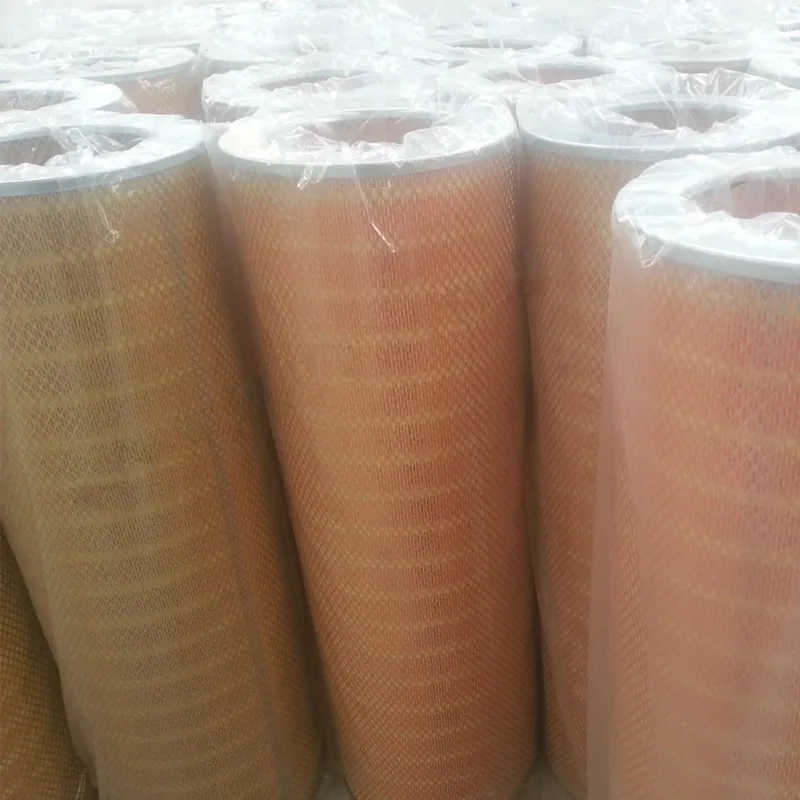
Filtration Fundamentals in Turbine Systems
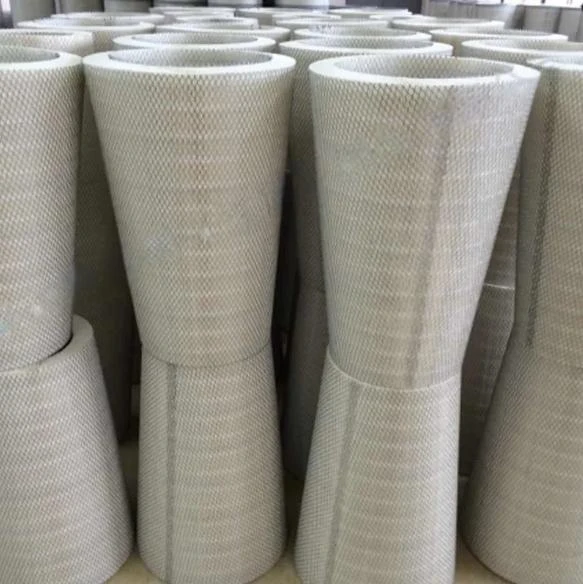
At its core, gas turbine filtration is about managing the trade-off between filtration efficiency and pressure drop. A filter that is too restrictive increases the work required by the compressor, reducing the overall net power output of the plant. Conversely, a filter with too high a permeability allows particulates to enter the turbine, leading to accelerated wear.
Modern systems utilize a multi-stage approach. Coarse pre-filters remove large debris, while fine-stage cartridges target sub-micron particles. This staged approach ensures that the expensive final-stage elements are not prematurely clogged, extending the service interval and reducing operational expenditure.
Material Engineering and Structural Design
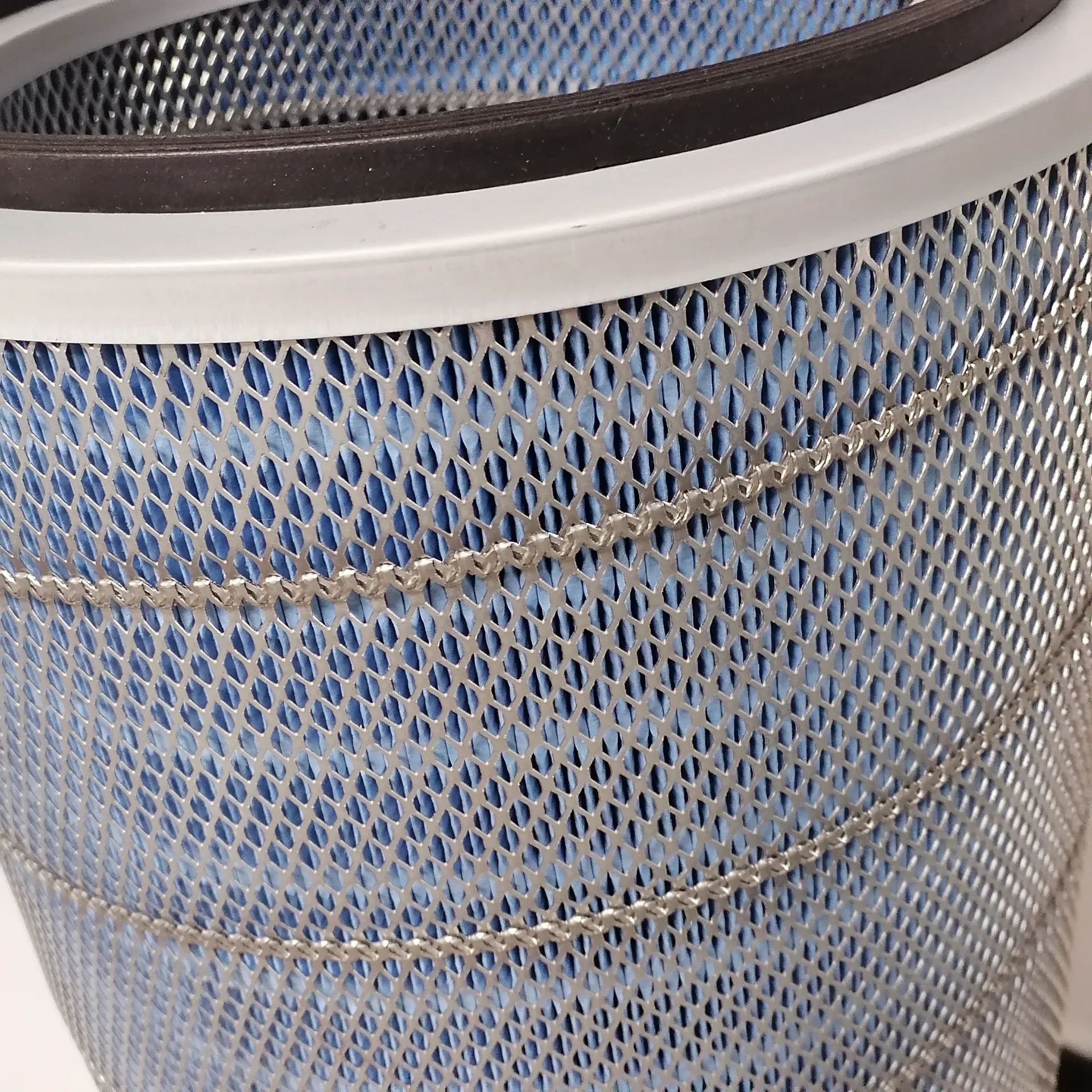
The structural integrity of a filter cartridge is just as important as the media itself. High-velocity air intake can cause "blow-through" if the end caps are not perfectly sealed. Advanced designs utilize non-porous galvanized end caps or high-grade plastic covers to ensure that air is forced through the media rather than bypassing it through the edges.
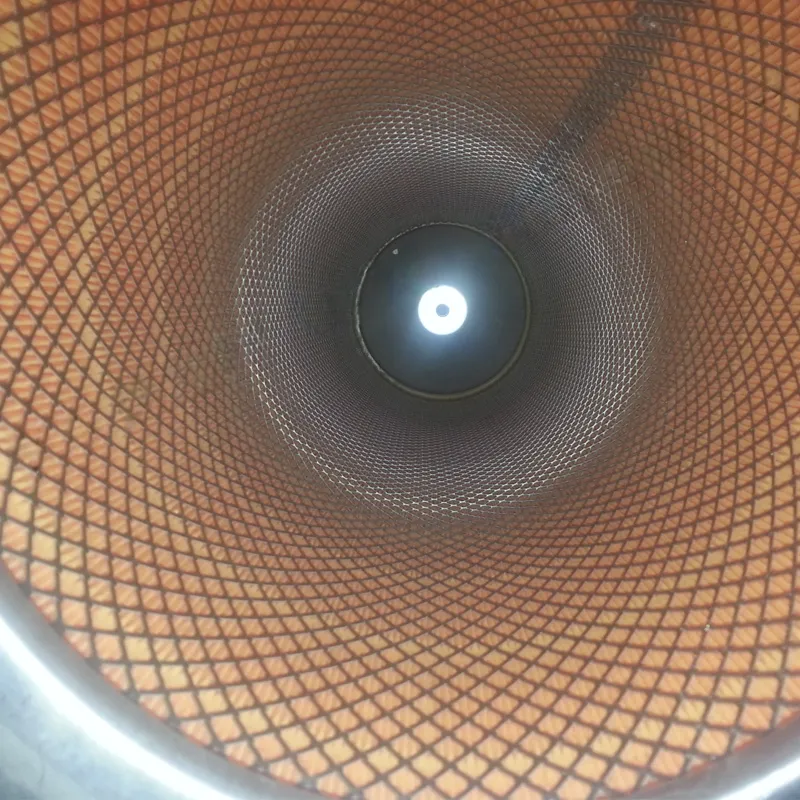
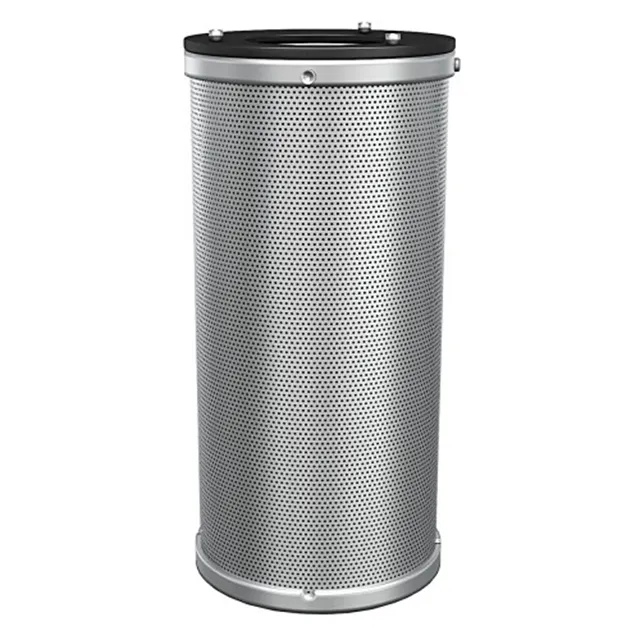
Internally, the central skeleton must provide rigid support to prevent the pleats from collapsing under high differential pressure. Electro-galvanized skeletons are preferred in industrial settings because they offer a critical layer of rust resistance, ensuring that the structural support does not degrade in humid or coastal environments.
Furthermore, the integration of special sealing rubber rings creates an airtight interface between the filter element and the housing. This precision fit is essential for maintaining the purity of the compressed air stream, preventing the ingress of unfiltered air which could compromise the turbine's internal components.
The Impact of Media Selection on Performance
The choice of filter media defines the cartridge's capacity to handle specific contaminants. While traditional papers were common, the industry has shifted toward long-fiber polyester and non-woven fabrics. These materials offer superior mechanical strength and a more consistent fiber distribution, which is vital for maintaining stable airflow.
The transition to spunbond polyester non-woven fabrics allows for specialized coatings that provide oil resistance, waterproofness, and anti-static properties, effectively expanding the operational envelope of the filtration system.
Moreover, the stiffness of these imported long-fiber materials allows them to withstand pulse-jet cleaning systems. Unlike fragile media that tear under the shock of backwashing, high-stiffness polyester can be washed repeatedly, significantly extending the lifecycle of the element and reducing waste.
Relative Efficiency of Filter Media Types
Evaluating filter media requires a comparative look at their performance across different metrics. Wood pulp fiber provides excellent initial capture but lacks the durability for repeated cleaning. In contrast, metal wire meshes are indispensable for liquid media filtration or as pre-filter supports due to their absolute structural stability.
When comparing these materials within the context of air purification, the focus shifts to the balance between "Dust Holding Capacity" and "Air Permeability." Polyester non-woven fabrics typically offer the most balanced profile for gaseous media filtration in industrial gas turbines.
Figure 2. Media Performance Comparison Index
Operational Deployment and Maintenance
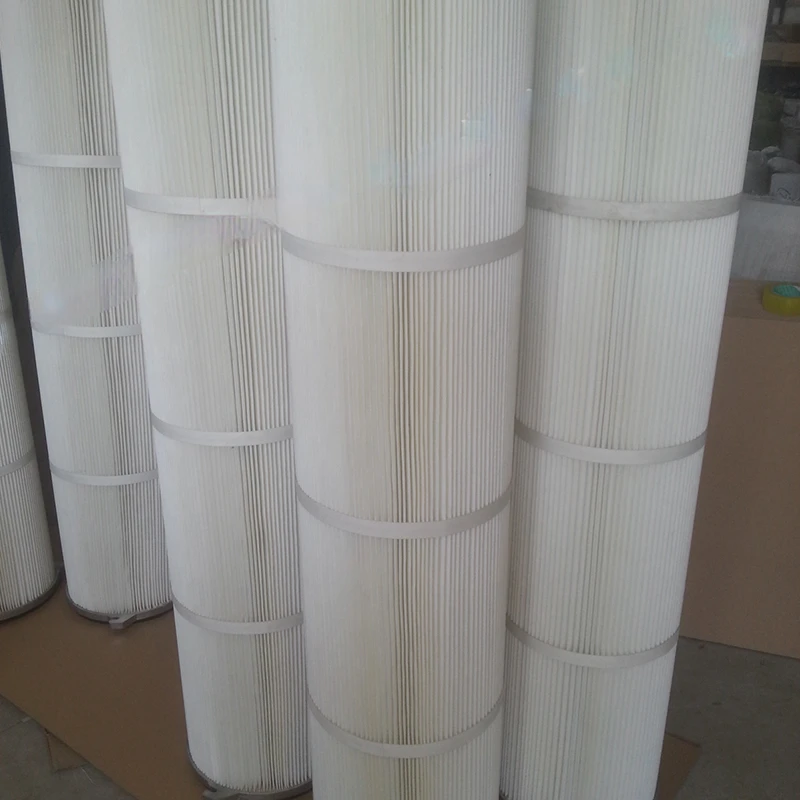
In a typical industrial setting, the installation of dust removal filter cartridges must be seamless to avoid air leaks. Chuck-type elements are frequently used because they provide a simplified installation process, allowing maintenance crews to swap out elements quickly during planned outages, thereby minimizing downtime.
Maintenance schedules are usually dictated by the differential pressure (ΔP) across the filter. Once the pressure drop reaches a predefined threshold, the filters are either pulse-cleaned or replaced. Regular inspection of the sealing rubber rings and the condition of the galvanized end caps is necessary to prevent bypass leakage, which can lead to rapid compressor fouling.
Evolution of Industrial Air Purification
The industry is moving away from generic specifications toward customized filtration solutions. While common dimensions like 325x660mm and 350x660mm remain standards based on international samples, the internal architecture of the filter is becoming more tailored to the specific environment of the plant.
For instance, plants in the pigment or wood processing industries require different media coatings compared to those in power generation. The ability to customize the filter material—adding oil-proof or anti-static layers—allows the equipment to operate reliably under a wider array of atmospheric conditions.
Looking ahead, the integration of smarter monitoring systems will likely allow for real-time analysis of filter health. This will shift maintenance from a calendar-based approach to a condition-based approach, further optimizing the cost of ownership for gas turbine operators.
Comparative Selection Framework
Selecting the right partner among gas turbine air intake filter manufacturers involves auditing their capacity for material consistency and structural precision. A failure in the end cap seal or a variation in fiber density can lead to uneven airflow, creating "hot spots" of contamination on the turbine blades.
Operators must weigh the initial procurement cost against the total cost of ownership. A cheaper filter that requires frequent replacement or causes higher pressure drops will ultimately be more expensive than a high-quality, washable polyester element.
The following framework provides a relative assessment of different filter configurations based on common industrial requirements, helping engineers align their technical needs with the appropriate material and design.
| Application Scenario | Recommended Media | Key Requirement | Suitability Index |
|---|---|---|---|
| Power Generation | Long-Fiber Polyester | Low Pressure Drop | Very High |
| Coastal Plants | Coated Non-woven | Water/Salt Resistance | High |
| Desert Environments | Multi-stage Poly | High Dust Capacity | Very High |
| Chemical Processing | Oil-proof Polyester | Chemical Stability | High |
| General Industrial | Wood Pulp / Poly | Cost-Efficiency | Moderate |
| Liquid Pre-filtration | Metal Wire Mesh | Structural Rigidity | High |
Questions & Answers
Surface filtration, utilized in many industrial cartridges, uses a tiny air-permeable tissue on the filter material's surface to block particulate matter. This prevents contaminants from penetrating deep into the media, making the filter easier to clean via pulse-backwash systems. Depth filtration, conversely, traps particles throughout the thickness of the media, which often provides higher efficiency for very fine particles but makes the element nearly impossible to clean, necessitating full replacement once loaded.
The end cap serves as the critical seal between the filter media and the housing. If a manufacturer uses inferior materials or imprecise stamping, "bypass" occurs, where unfiltered air leaks around the edges of the cartridge. High-quality non-porous galvanized iron plates or precision plastic covers ensure a 100% seal. This ensures that all intake air must pass through the media, maintaining the intended filtration grade and protecting the turbine from contamination.
No, reusability depends entirely on the media and construction. Filters made from wood pulp fiber are generally disposable as they lose structural integrity when wet. However, cartridges using imported long-fiber polyester or spunbond non-woven fabrics are designed for durability. These materials possess the stiffness and wear resistance required to withstand high-pressure pulse backwashing, allowing them to be cleaned multiple times without tearing or losing filtration efficiency.
While many systems require custom engineering, the industry often follows standards based on imported samples. Common specifications include diameters of 12.75 inches with heights of 13.84 inches or 26 inches. In metric terms, these frequently translate to 325660mm and 350660mm. These dimensions are optimized for a balance of surface area (to keep pressure drop low) and housing footprint, though custom sizes are available for specialized turbine housings.
High-velocity air moving through synthetic fibers can generate significant static electricity via friction. In environments where combustible dust or volatile organic compounds (VOCs) are present, a static spark could potentially trigger an explosion. Anti-static coatings on polyester non-woven fabrics dissipate this charge safely. This is a critical safety requirement for turbines operating in chemical plants, pigment industries, or wood processing facilities.
Generally, increasing the stiffness of the filter media (to allow for more cleaning cycles) can slightly increase the resistance to airflow if the fiber density is too high. However, advanced long-fiber polyester manages this by optimizing the interlacing of fibers. This ensures the material remains rigid enough to prevent collapse under vacuum but porous enough to allow high-volume airflow, maintaining the turbine's volumetric efficiency while extending the element's life.
Final Thoughts
The integrity of gas turbine air intake filtration is a cornerstone of plant reliability. By focusing on the synergy between high-stiffness polyester media and precision-galvanized structural components, operators can significantly reduce compressor fouling and extend the intervals between major overhauls.
As industrial environments become more challenging, the shift toward customized, coated, and anti-static filtration elements will be essential. Investing in high-quality cartridges that balance pressure drop with absolute purity is not merely a maintenance choice, but a strategic decision to preserve the long-term efficiency of power generation assets.