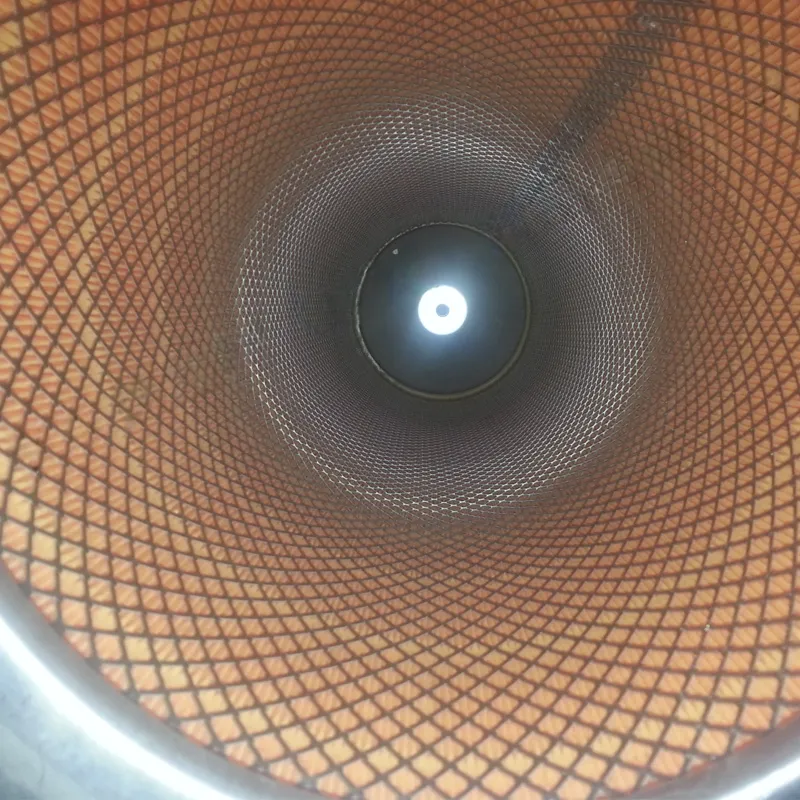
- 2026-10-20
Industrial Filter Cartridges dust collector filter cartridge manufacturers Performance Analysis
Industrial air filtration is no longer just about compliance; it is a critical factor in operational uptime and equipment longevity. For facilities dealing with heavy particulate loads, the choice of filter media and structural integrity can mean the difference between a seamless production cycle and costly unplanned shutdowns.
Many procurement managers struggle to balance the initial cost of consumables with the long-term efficiency of the system. The shift toward high-durability materials, such as long-fiber polyester and electro-galvanized skeletons, is addressing these challenges by reducing the frequency of replacements and improving the reliability of pulse-jet cleaning systems.
Understanding the technical nuances provided by professional dust collector filter cartridge manufacturers allows companies to optimize their air purification strategies for specific industrial environments, from wood processing to chemical powder spraying.
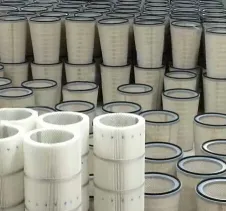
The Mechanics of Surface Filtration
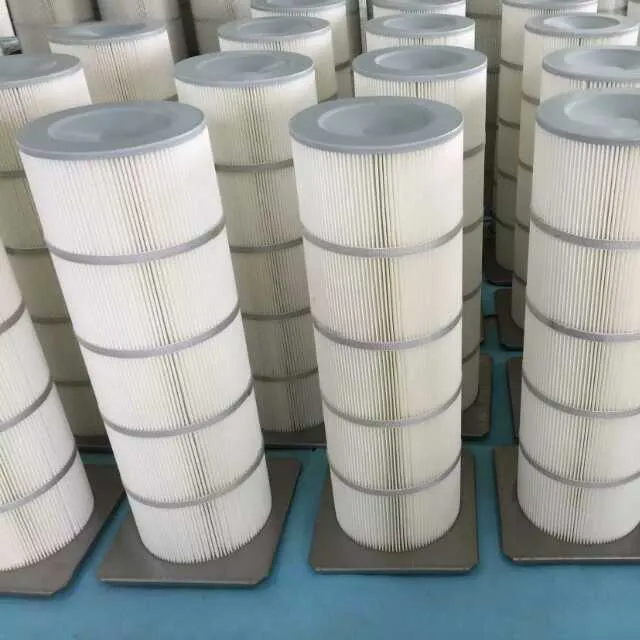
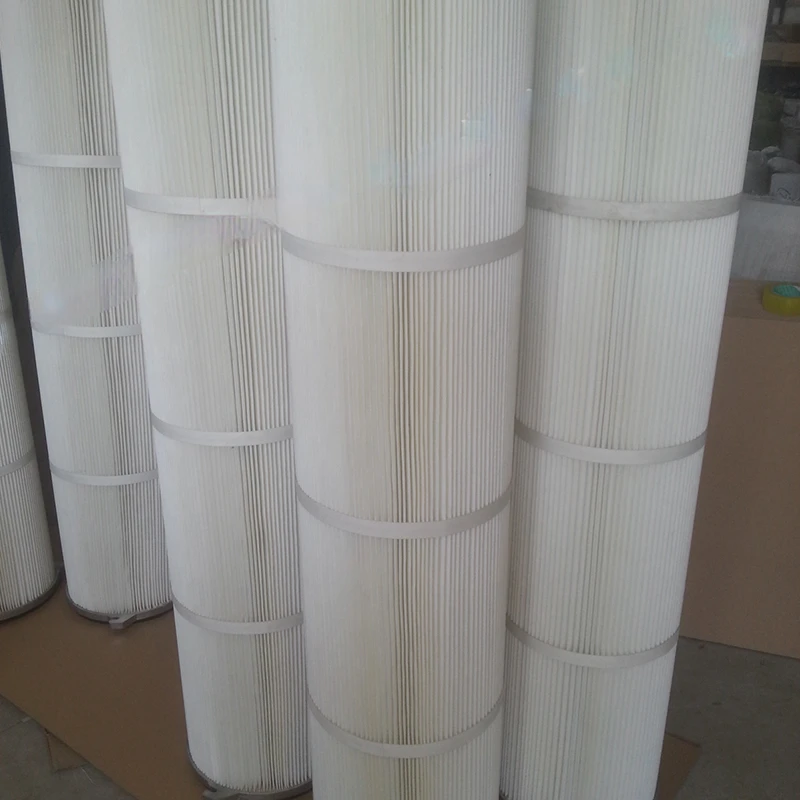
Unlike depth filtration, which traps particles throughout the thickness of the media, surface filtration utilizes a tiny air-permeable tissue on the exterior to block particulate matter. This creates a "dust cake" that actually assists in further filtration efficiency, provided the cleaning mechanism is effective.
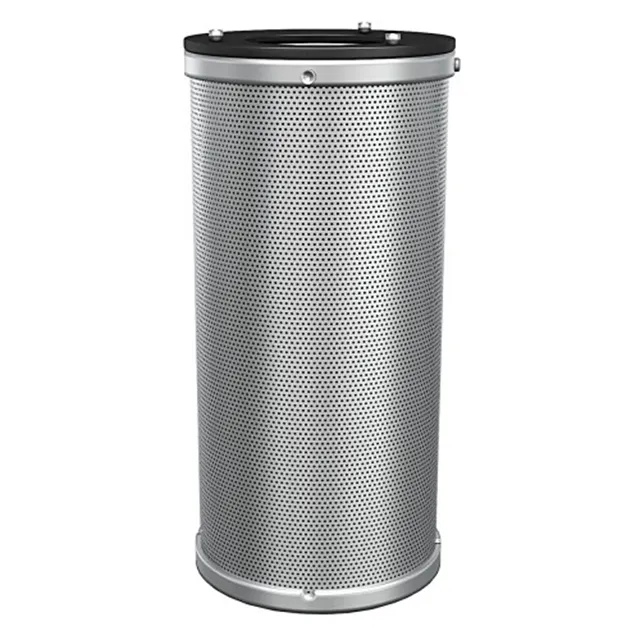
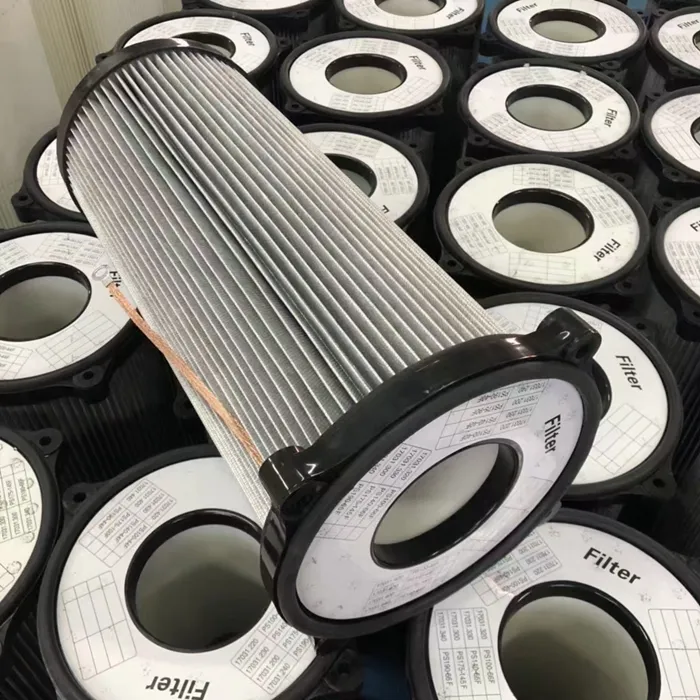
Cylindrical filter cartridges are the preferred geometry for this process because they maximize the surface area within a limited footprint, allowing for higher airflow rates while maintaining a low pressure drop across the system.
Core Components and Structural Integrity
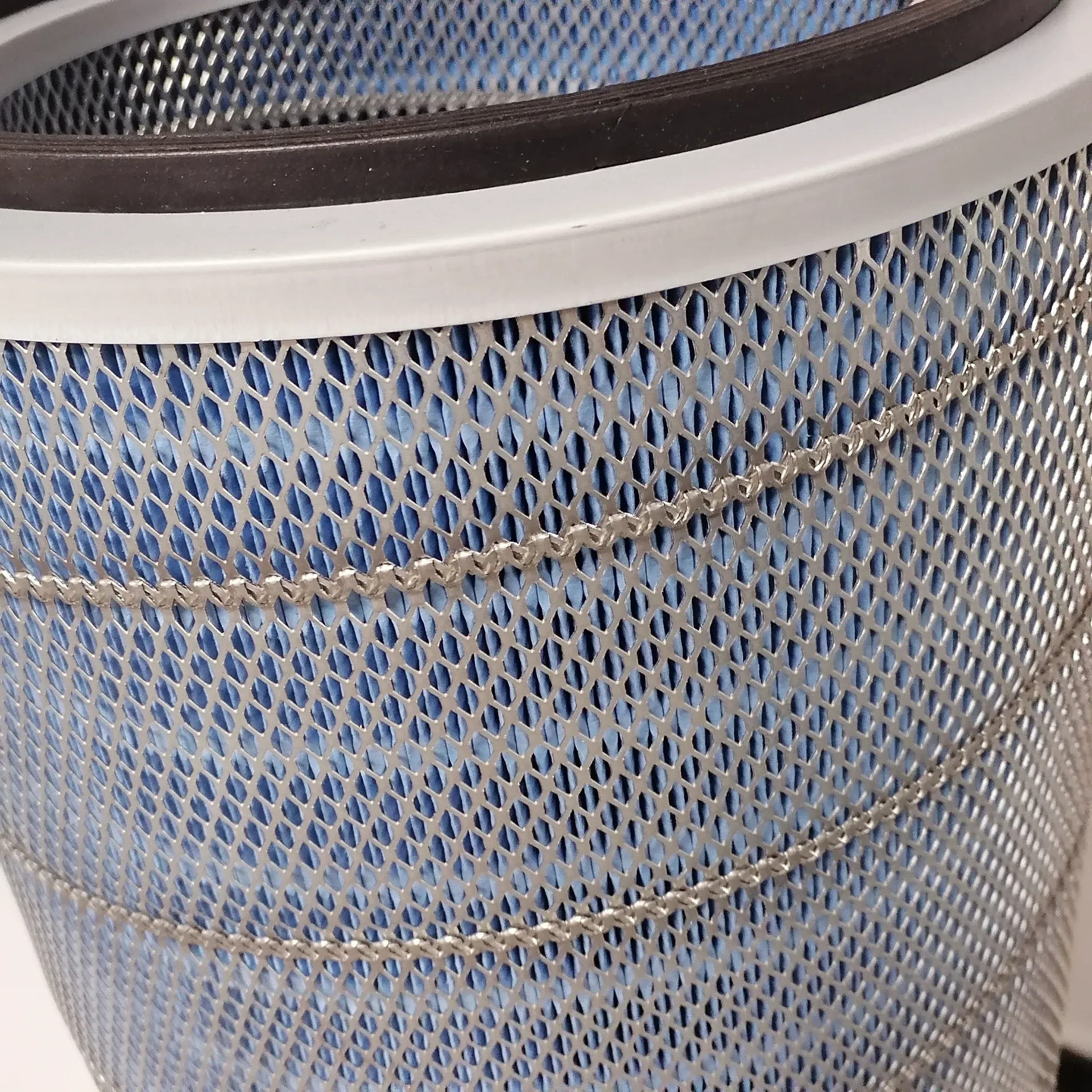
The durability of a filter cartridge depends heavily on its end caps and central skeleton. High-quality designs employ plastic covers or non-porous galvanized iron plates for end caps to prevent air leakage. A precise seal is maintained using special rubber rings, ensuring that all contaminated air is forced through the filter media rather than bypassing it through gaps.
The central skeleton acts as the primary support against the vacuum pressure created during operation. By using electro-galvanized steel, manufacturers prevent oxidation and rust, which is critical in environments with high humidity or chemical vapors. This prevents the skeleton from collapsing or contaminating the filtered air stream.
For specific applications like compressed air filtration, chuck-type designs are utilized. These offer high filtration efficiency and simplified installation, making them ideal for systems where maintenance downtime must be kept to an absolute minimum.
Material Science in Filter Media
The choice of media determines the cartridge's resistance to moisture, oil, and mechanical wear. Spunbond polyester fiber non-woven fabrics are common for their versatility, often receiving specialized coatings to become waterproof or anti-static.
Imported long-fiber polyester materials offer superior wear resistance compared to traditional media, enabling the filter to withstand frequent pulse backwash cycles without structural degradation.
For liquid media filtration, metal wire mesh of various gauges is employed to remove impurities. However, for gaseous media, the focus remains on the interlaced distribution of fibers to ensure uniform airflow and prevent "channeling," where air finds a path of least resistance and bypasses the filtration media.
Performance Metrics for Air Filtration
Evaluating a filter's performance requires looking beyond just the filtration percentage. Key metrics include the pressure drop (Delta P), the rate of dust cake buildup, and the effectiveness of the cleaning cycle. A filter that blocks 99.9% of dust but creates an enormous pressure drop will force the fan to work harder, increasing energy costs.
The relationship between fiber stiffness and washability is also vital. Stiffer materials can be washed repeatedly without losing their shape, extending the lifecycle of the element and reducing the total cost of ownership.
Figure 2. Relative Performance Index of Filter Materials
Sector-Specific Application Scenarios
In the pigment and powder spraying industries, oil-resistant and anti-static properties are non-negotiable to prevent clogging and mitigate explosion risks. Similarly, wood processing facilities require cartridges that can handle larger, more abrasive particles without premature tearing of the media.
For central air conditioning duct cleaning and fan dust removal, the focus shifts to high-volume air displacement and the ability to capture a wide range of particulate sizes. Only Technology (Hebei Province) Co., Ltd specializes in these varied specifications, providing customized dimensions such as 325x660mm and 350x660mm to fit a diverse array of global equipment standards.
Evolution of Purification Technology
The industry is moving away from disposable, low-grade paper filters toward washable, long-life synthetic media. This transition is driven by the dual need for sustainability and the reduction of industrial waste. Modern cartridges are now engineered to be "smart" in their interaction with airflow, optimizing the boundary layer to reduce energy consumption.
Another significant trend is the integration of activated carbon layers within traditional dust removal cartridges. This allows for the simultaneous removal of particulate matter and volatile organic compounds (VOCs), providing a comprehensive air purification solution in a single stage.
Future advancements are likely to focus on nano-fiber coatings that can capture sub-micron particles without significantly increasing the pressure drop, further enhancing the protection of sensitive industrial machinery.
Selection Framework for Industrial Cartridges
Choosing the right cartridge requires a systematic analysis of the dust characteristics—specifically particle size, moisture content, and chemical reactivity. A mistake in material selection, such as using standard polyester in a high-oil environment, will lead to rapid blinding of the filter.
Dimensions are another critical factor. While standard sizes like 12.75" diameter are common, custom specifications are often necessary to ensure a perfect fit, preventing air bypass. The seal quality must also be verified to ensure it matches the housing's tolerances.
By utilizing a structured evaluation matrix, facilities can determine the optimal trade-off between initial investment and maintenance frequency.
| Application Condition | Recommended Material | Key Requirement | Suitability Index |
|---|---|---|---|
| Dry Wood Dust | Polyester Non-woven | Wear Resistance | High |
| Chemical Powders | Coated Polyester | Chemical Inertness | High |
| Oil Mist/Vapors | Oil-proof Coating | Hydrophobic Surface | High |
| Liquid Impurities | Metal Wire Mesh | Structural Strength | High |
| Compressed Air | Chuck-type Element | Low Pressure Drop | High |
| General HVAC | Wood Pulp Fiber | Cost Efficiency | Medium |
Questions & Answers
Surface filtration captures particles on the outer layer of the media, creating a dust cake that enhances filtration efficiency over time. Depth filtration traps particles within the thickness of the material. For industrial dust collectors, surface filtration is generally preferred because it allows for easier cleaning via pulse-jet systems, extending the life of the cartridge.
The central skeleton provides the structural support necessary to prevent the media from collapsing under vacuum pressure. Electro-galvanized steel is widely used because it resists rust and corrosion. If a skeleton rusts, it can lead to structural failure or the release of metallic particles into the cleaned air stream, compromising the purity of the output.
For oily or moist environments, spunbond polyester non-woven fabrics with specialized coatings are ideal. These coatings make the media hydrophobic and oil-repellent, preventing the liquid from soaking into the fibers (blinding), which would otherwise block airflow and cause a rapid increase in pressure drop.
Yes, provided they are made from high-stiffness materials like long-fiber polyester. These materials are engineered to withstand the mechanical stress of repeated washing and pulse backwashing. However, the frequency and method of washing must be aligned with the manufacturer's specifications to avoid damaging the fiber distribution.
Common global specifications include diameters of 12.75 inches and heights of 13.84 or 26 inches. In metric terms, these often translate to 325660mm and 350660mm. Many manufacturers offer custom sizes to ensure a precise fit for specific housing units, which is critical for preventing unfiltered air bypass.
The seal, typically a specialized rubber ring, ensures an airtight connection between the cartridge and the collector housing. If the seal is poor, contaminated air will leak around the filter instead of passing through it. This results in poor air quality and can lead to the accumulation of dust inside the "clean" plenum of the machine.
Final Thoughts
Optimizing industrial air purification requires a holistic approach that considers material science, structural engineering, and the specific demands of the operational environment. By focusing on high-durability components—such as electro-galvanized skeletons and long-fiber polyester media—enterprises can significantly reduce maintenance overhead and enhance worker safety.
As industry standards evolve toward greater sustainability and efficiency, partnering with specialized dust collector filter cartridge manufacturers ensures that facilities can implement custom, high-performance solutions that grow with their production needs.