- Email: [email protected]
- Phone: (+86)13363300602

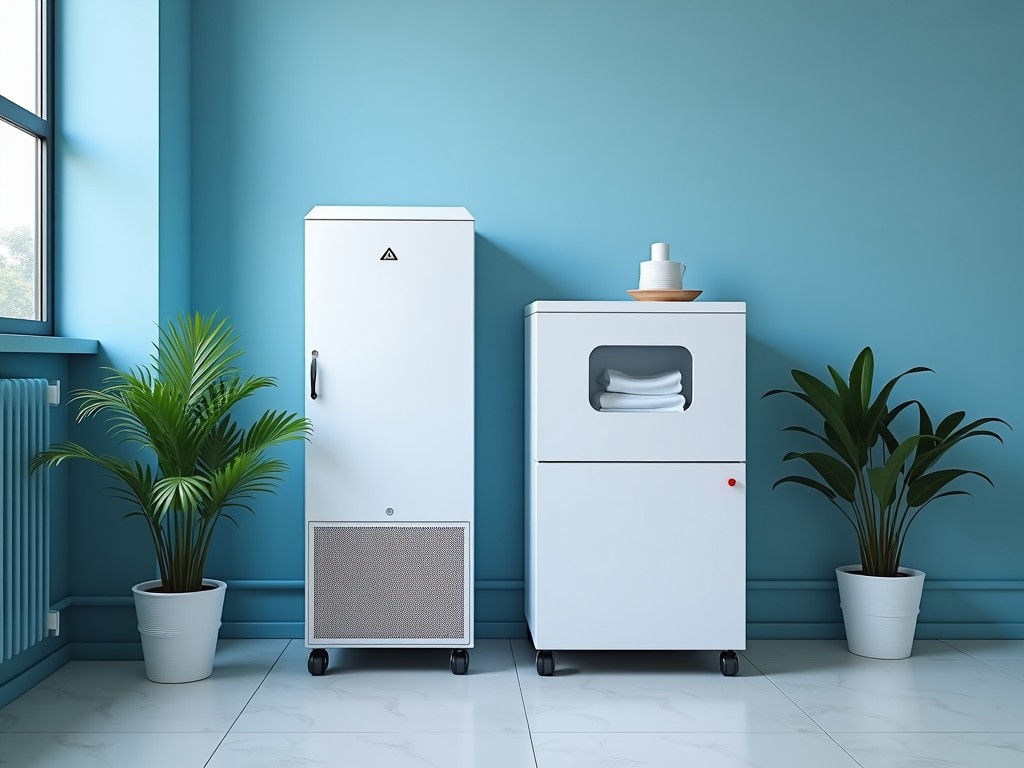
Activated carbon cartridges remove volatile organic compounds, odors, and certain gaseous pollutants by adsorption onto a high‑surface‑area carbon matrix. The performance depends on carbon type, pore
Request a QuoteActivated carbon cartridges remove volatile organic compounds, odors, and certain gaseous pollutants by adsorption onto a high‑surface‑area carbon matrix. The performance depends on carbon type, pore structure, cartridge geometry, and face velocity. Understanding these parameters helps engineers select a cartridge that meets specific indoor air quality or process gas treatment targets without over‑specifying pressure drop or replacement frequency.
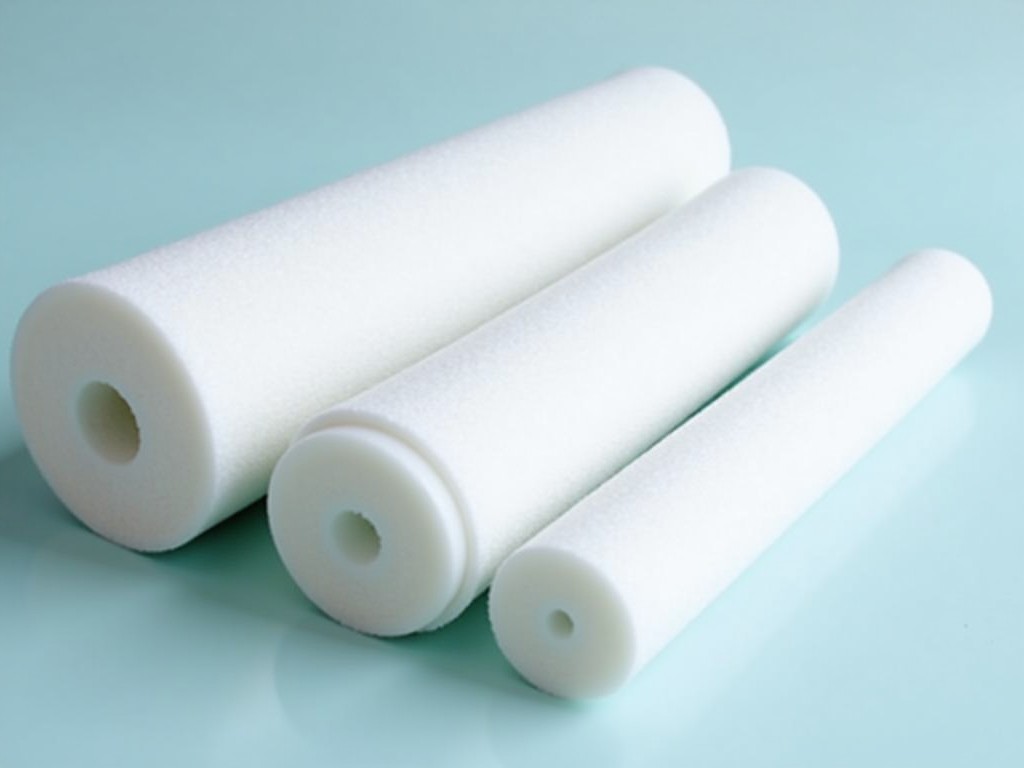
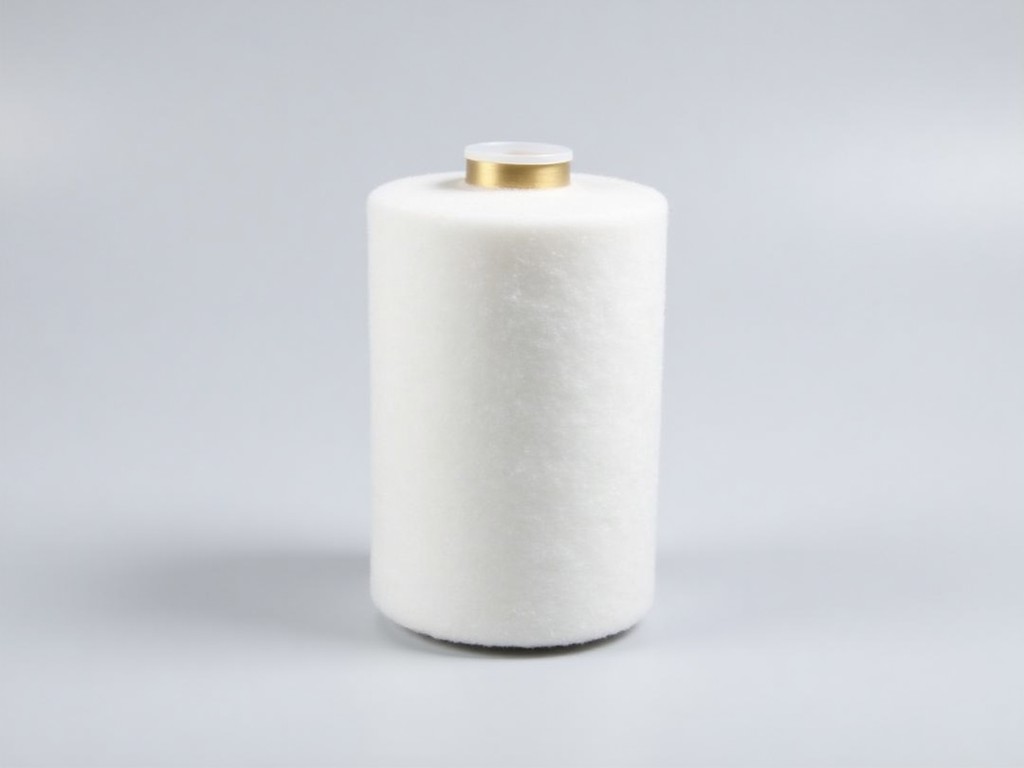
The cartridge body is typically constructed from extruded polypropylene or stainless steel mesh, chosen for chemical resistance and mechanical strength. Carbon loading ranges from 300 g to 800 g per cartridge, influencing both adsorption capacity and pressure drop. Face velocity is usually kept between 0.5 m/s and 1.5 m/s to balance contact time with system energy consumption.
| Parameter | Range / Typical Value | Notes |
|---|---|---|
| Carbon material | Coconut shell, bituminous coal | Selection based on adsorbate polarity |
| Iodine number | 800–1100 mg/g | Indicator of micropore volume |
| Bulk density | 0.45–0.55 g/cm³ | Affects cartridge weight and pressure drop |
| Pressure drop @ 1 m/s | 150–300 Pa | Measured with clean air, 20 °C |
| Operating temperature | -20 °C to 80 °C (standard) | Higher temps require special binders |
| Service life | 3–6 months (typical HVAC) | Dependent on contaminant load and breakthrough criteria |
In semiconductor fabs, activated carbon cartridges protect photolithography tools from molecular contaminants that can cause wafer defects. The low outgassing polypropylene housing prevents particle shedding, while the high iodine number carbon captures amines and sulfides at sub‑ppm levels.
For paint spray booths, the cartridges capture solvent vapors (e.g., toluene, xylene) before they reach exhaust filters, extending the life of downstream HEPA units and reducing fire risk. The cartridges are sized to handle peak solvent loads while maintaining a pressure drop below the fan’s static pressure curve.
In laboratory fume hoods, impregnated carbon targets specific acids or bases, providing a safety margin when working with volatile reagents. The cartridge’s modular length allows quick replacement without disturbing the hood sash alignment.
Each batch of carbon is screened for iodine number, ash content, and moisture before blending. Cartridges undergo a dimensional check (±0.2 mm on length, ±0.1 mm on diameter) and a leak test using pressurized nitrogen to verify seal integrity. Final performance is validated by breakthrough testing with a challenge gas (e.g., n‑butane) at a defined concentration and flow rate.
To discuss your specific air‑gas treatment needs and receive a technical quotation, please contact our engineering team.
Request Technical QuoteCopyright © 2026 www.chinacartridgefilter.com All Rights Reserved.