- Email: [email protected]
- Phone: (+86)13363300602

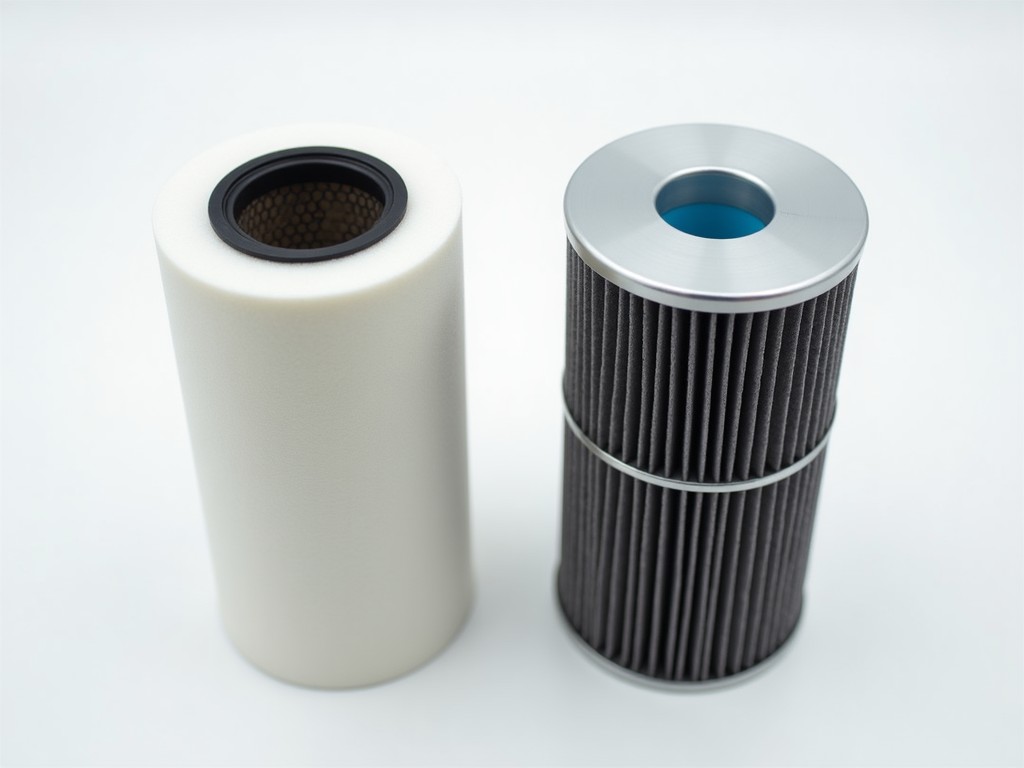
Industrial filtration often requires a medium that combines mechanical strength with chemical affinity for dissolved contaminants. A cellulose matrix provides high dirt‑holding capacity and low
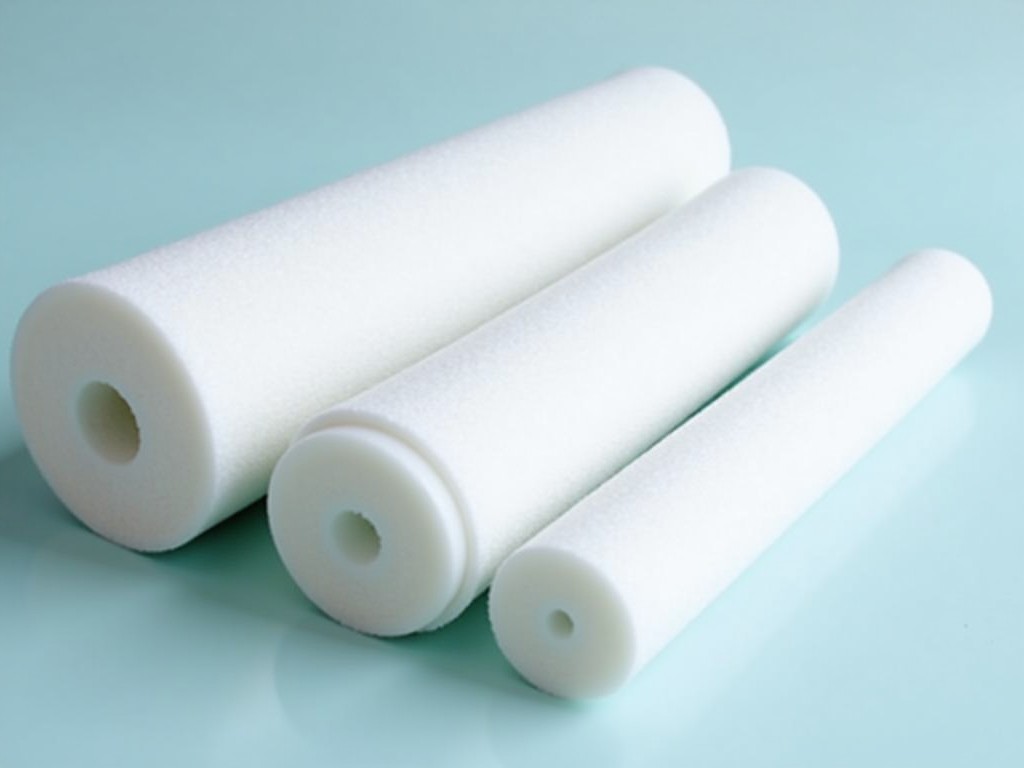
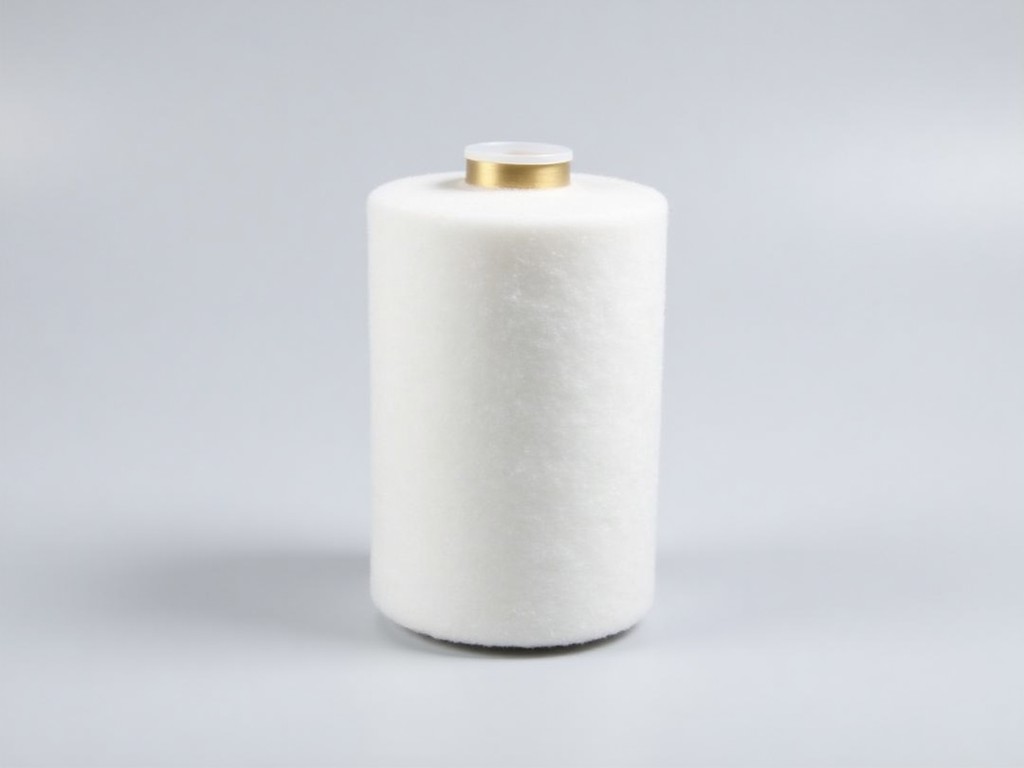
Request a QuoteIndustrial filtration often requires a medium that combines mechanical strength with chemical affinity for dissolved contaminants. A cellulose matrix provides high dirt‑holding capacity and low compressibility, while a dispersed carbon phase adds adsorption capability for organic molecules, chlorine, and certain metal ions. By impregnating the cellulose fibers with a controlled amount of carbon, the cartridge gains dual functionality without sacrificing flow characteristics.
The base substrate consists of bleached cellulose fibers derived from wood pulp, selected for uniform length and high porosity. Carbon is introduced as finely divided activated carbon particles, typically 5–15 wt % of the total dry mass, distributed throughout the fiber network via vacuum impregnation. This configuration creates inter‑fiber pores that retain particulate matter and carbon‑filled zones that adsorb soluble species, resulting in a gradient filtration mechanism.
| Parameter | Typical Value | Unit |
|---|---|---|
| Base material | Cellulose fibers | – |
| Carbon loading | 5‑15 | wt % |
| Nominal pore size | 5‑20 | µm |
| Thickness (length) | 10‑30 | mm |
| Maximum operating temperature | 120 | °C |
| Pressure drop @ nominal flow | 0.02‑0.05 | bar per 10 cm |
| Compatible pH range | 4‑10 | – |
In chemical processing, the cartridge removes trace organics and chlorine from solvent streams, protecting downstream catalysts and extending equipment life. Food and beverage manufacturers use it to adsorb off‑flavors and color bodies from water and syrup lines while meeting FDA‑compatible material requirements. Pharmaceutical water‑for‑injection systems benefit from the combination of particulate removal and endotoxin‑adsorbing carbon, reducing bioburden without introducing fibers. Additionally, municipal water treatment plants employ the cartridges as a polishing step after granular activated carbon beds to capture fine colloids and maintain consistent turbidity levels.
Production begins with slurry preparation of cellulose fibers, followed by vacuum impregnation with a carbon dispersion to achieve uniform loading. The impregnated web is then formed, wound, and cured at controlled temperature to bind the carbon particles without degrading the cellulose structure. Each cartridge undergoes bubble‑point testing to verify pore integrity, pressure‑drop measurement at specified flow rates, and thermogravimetric analysis to confirm carbon content. Visual inspection checks for defects such as fiber breakage or uneven winding, while dimensional verification ensures compatibility with customer housings.
Copyright © 2026 www.chinacartridgefilter.com All Rights Reserved.