- Email: [email protected]
- Phone: (+86)13363300602

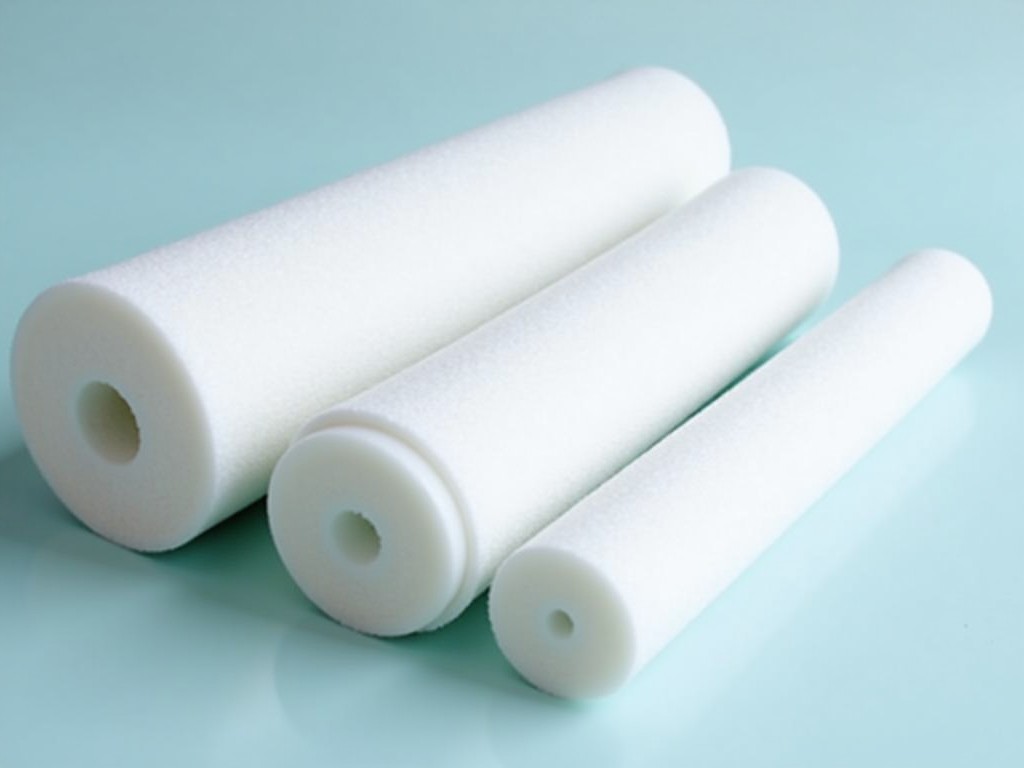
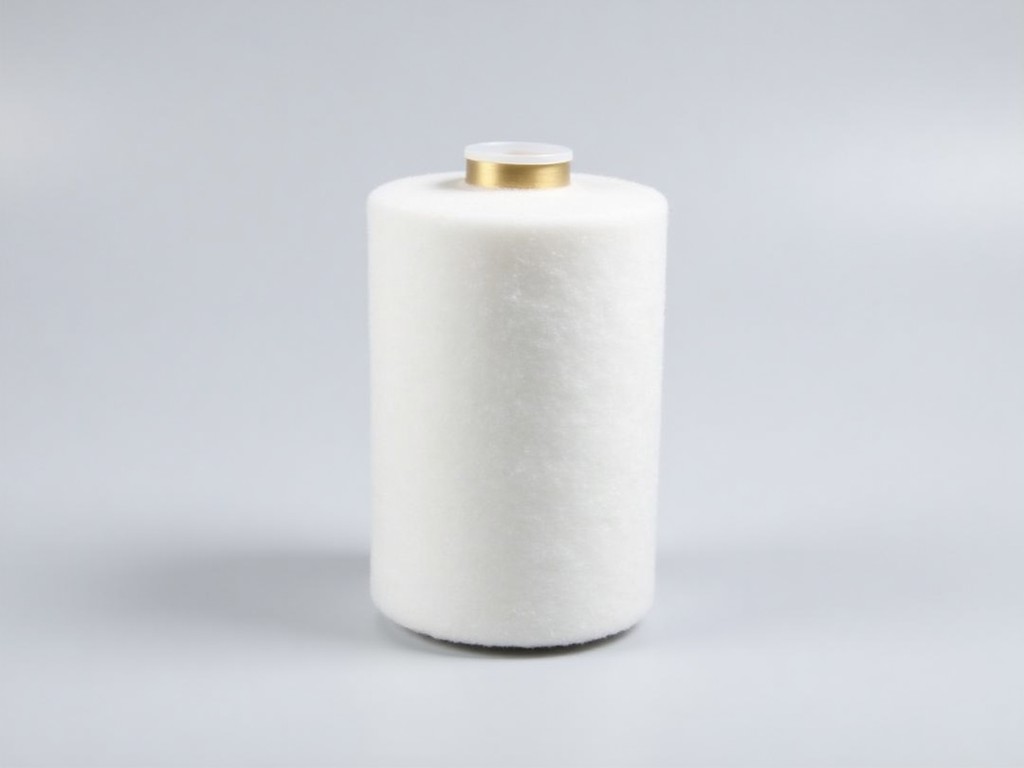
The filter cartridge consists of a cellulose matrix impregnated with finely divided carbon particles. This combination provides adsorption capacity for organic vapors while retaining the mechanical
Request a QuoteThe filter cartridge consists of a cellulose matrix impregnated with finely divided carbon particles. This combination provides adsorption capacity for organic vapors while retaining the mechanical strength and porosity of cellulose. The resulting media is suitable for gas‑phase filtration where both particulate capture and chemical removal are required.
Cellulose fibers are sourced from wood pulp with a typical length of 2–4 mm and a basis weight ranging from 150 to 300 g/m². Carbon loading is expressed as weight percent of the total dry mass and can be adjusted from 5 % up to 30 % depending on the target adsorbate concentration. The carbon used is a powdered activated carbon with a BET surface area of 800–1200 m²/g.
Filtration efficiency for particles down to 0.5 µm typically exceeds 95 % when the cellulose base is pleated to a specific surface area of 1.5 m² per cartridge. Pressure drop varies with pleat density and carbon content; typical values range from 150 Pa to 350 Pa at a face velocity of 0.5 m/s. Adsorption capacity for toluene, a common test VOC, is approximately 0.2 g g⁻¹ of carbon at 25 °C and 50 % relative humidity.
During production, cellulose sheets are first pleated using a heated die to achieve uniform geometry. The pleated blank is then immersed in an aqueous dispersion of activated carbon, followed by vacuum impregnation to ensure deep penetration into the fiber network. After impregnation, the cartridge is dried at 80 °C to remove moisture, and the end caps are attached via ultrasonic welding or adhesive bonding, depending on the selected material.
Each lot undergoes dimensional inspection (±0.2 mm on length and diameter), pleat uniformity checks via optical scanning, and carbon distribution analysis using SEM‑EDS on cross‑sections. Filtration efficiency is verified with a sodium chloride aerosol challenge test, and adsorption capacity is sampled using breakthrough curves with toluene vapor. Results are recorded and available to customers on request.
| Parameter | Typical Range / Option |
|---|---|
| Cellulose basis weight | 150–300 g/m² |
| Carbon loading (wt %) | 5–30 % |
| Pleat height | 2–8 mm |
| Outer diameter | 30, 40, 50 mm (custom) |
| Length | 100–1000 mm (25 mm increments) |
| Pressure drop @ 0.5 m/s | 150–350 Pa |
| Particle removal efficiency (0.5 µm) | ≥95 % |
| Toluene adsorption capacity | ≈0.2 g g⁻¹ carbon |
For technical inquiries or to request a formal quotation, please reach out to our engineering team.
Request QuoteCopyright © 2026 www.chinacartridgefilter.com All Rights Reserved.