- Email: [email protected]
- Phone: (+86)13363300602

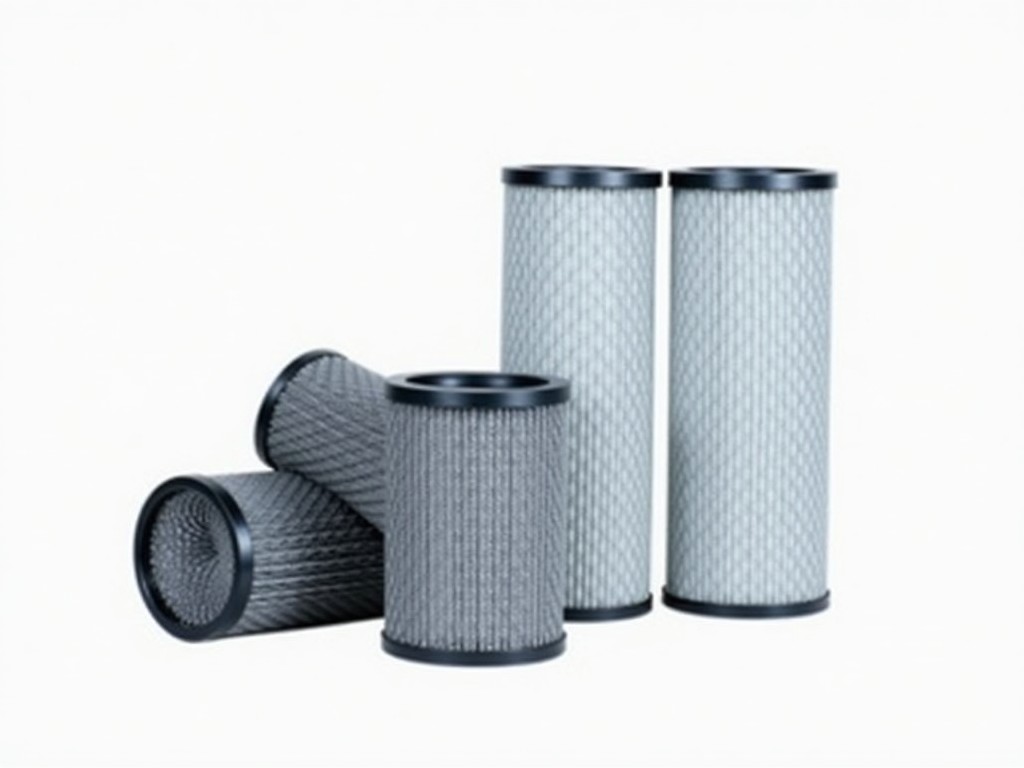
Activated carbon air filter cartridges remove gaseous contaminants and odors by adsorbing molecules onto a high‑surface‑area carbon matrix. The effectiveness depends on pore structure, carbon type,
Request a QuoteActivated carbon air filter cartridges remove gaseous contaminants and odors by adsorbing molecules onto a high‑surface‑area carbon matrix. The effectiveness depends on pore structure, carbon type, cartridge geometry, and face velocity.
Adsorption occurs when volatile organic compounds (VOCs), sulfur compounds, or other airborne gases diffuse into micropores (<2 nm) and mesopores (2‑50 nm) of the carbon. The isotherm type (Langmuir or Freundlich) predicts capacity at given concentrations and temperatures.
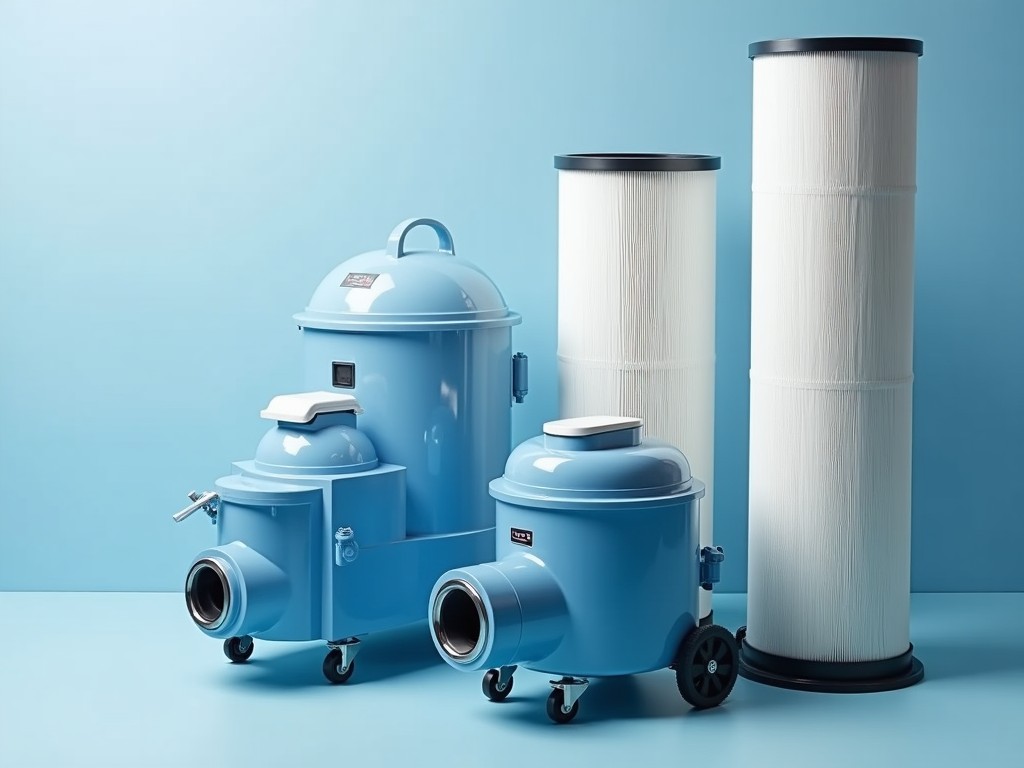
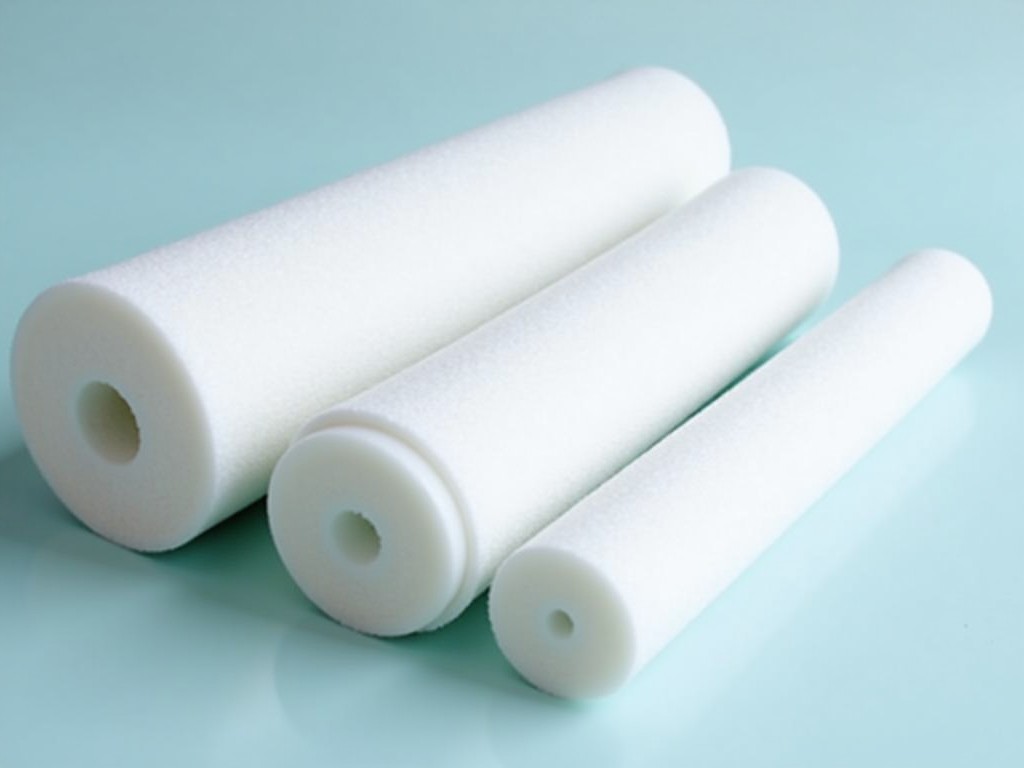
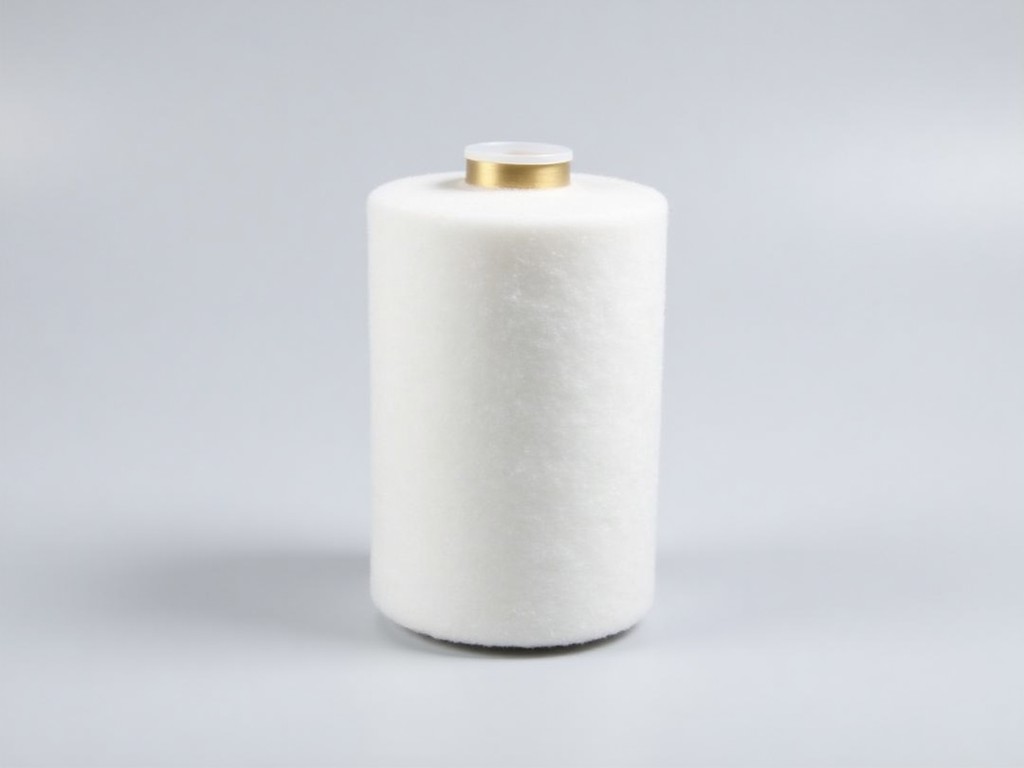
Cartridges are typically constructed as cylindrical pleated elements with a nominal length of 250 mm to 600 mm and an outer diameter of 100 mm to 150 mm. Pleat depth ranges from 12 mm to 20 mm, providing a filter area of 0.8 m² to 2.5 m² per unit.
End caps are made of UV‑stabilized polypropylene or ABS, sealed with a polyurethane gasket to maintain a leak‑tight interface at pressures up to 5 kPa.
Customization begins with process gas composition, temperature, humidity, and required breakthrough time. Engineers select carbon type, impregnation level, and cartridge dimensions to meet a target removal efficiency (e.g., 95 % toluene at 100 ppm).
Additional options include integrated pre‑filters for particulate protection, varied end‑cap configurations (flanged, threaded, or quick‑connect), and optional pressure drop sensors.
In semiconductor fabs, cartridges remove molecular contaminants that could cause wafer defects, operating at face velocities of 0.5‑1.0 m/s.
Paint spray booths rely on them to capture solvent vapors, extending filter life when paired with upstream particulate filters.
Food processing facilities use impregnated cartridges to control ethylene and ethanol, maintaining product shelf life.
Each lot undergoes iodine number testing, benzene adsorption capacity measurement, and dimensional inspection. A sample is subjected to accelerated aging (80 % RH, 40 °C, 168 h) to verify performance stability.
Pressure drop is measured at 0.5 m/s face velocity; acceptable range is 50‑150 Pa depending on pleat density.
| Parameter | Typical Value | Note |
|---|---|---|
| Iodine Number | 800‑1300 mg/g | Depends on carbon source |
| Benzene Adsorption Capacity (20 °C, 50 % RH) | 0.25‑0.45 g/g | Measured per ASTM D5228 |
| Nominal Length | 250‑600 mm | Custom lengths available |
| Outer Diameter | 100‑150 mm | Standard sizes |
| Pressure Drop @ 0.5 m/s | 50‑150 Pa | Varies with pleat depth |
Yes. Length, outer diameter, and pleat geometry are adjusted according to vessel constraints and required face velocity. Provide duct size and flow rate for a quotation.
Process gas composition (contaminants and concentrations), temperature, relative humidity, required removal efficiency, and any space limitations. This enables us to select carbon type and size.
Housings are offered in polypropylene, ABS, or stainless steel (304/316) for corrosive environments. Gaskets are typically EPDM or silicone.
Each batch undergoes iodine number, benzene adsorption, and dimensional checks. Pressure drop is verified at specified flow rates. Documentation is supplied with each shipment.
Cartridges are packed in recyclable cardboard boxes with internal polyethylene liners. For export, palletized units are stretch‑wrapped and fitted with corner protectors.
Standard configurations ship within 2‑3 weeks after order confirmation. Custom designs may require 4‑6 weeks, depending on tooling and material availability.
Copyright © 2026 www.chinacartridgefilter.com All Rights Reserved.