- Email: [email protected]
- Phone: (+86)13363300602

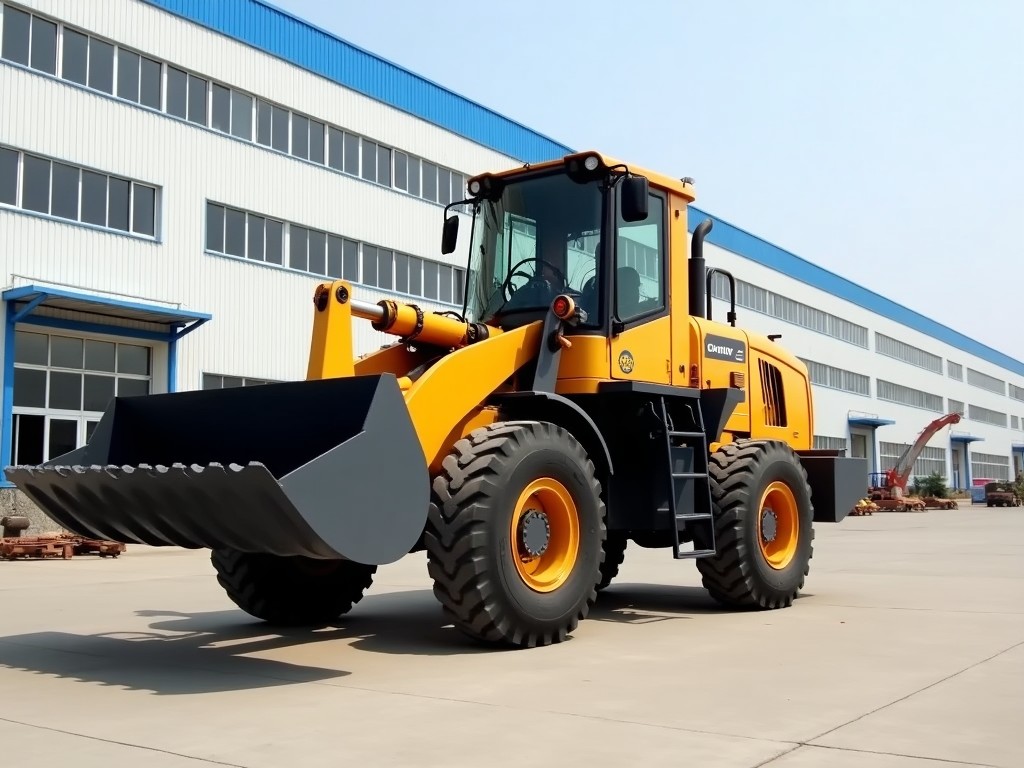
The filter element traps airborne particulates before they reach the engine intake, directly influencing wear rates and fuel consumption. In compact loader applications, operating cycles generate
Request a QuoteThe filter element traps airborne particulates before they reach the engine intake, directly influencing wear rates and fuel consumption. In compact loader applications, operating cycles generate high dust concentrations that can accelerate abrasive wear if not captured efficiently. Specifying a filter with defined efficiency and pressure‑drop characteristics reduces unexpected maintenance intervals.
Filtration efficiency is expressed as the percentage of particles removed at a given micron rating, typically measured per ISO 5011 test procedures. Pressure drop across the clean filter at rated airflow indicates the energy penalty imposed on the engine’s intake system. Media depth and pleat geometry determine the dirt‑holding capacity before service life is reached.
| Parameter | Value | Unit |
|---|---|---|
| Nominal Airflow | 0.45 | m³/min |
| Filtration Efficiency @ 5 µm | 98 | % |
| Initial Pressure Drop | 0.6 | kPa |
| Dirt Holding Capacity | 120 | g |
| Operating Temperature Range | -30 to +85 | °C |
The filter media is typically a synthetic polyester blend engineered for high tensile strength and resistance to moisture, providing consistent performance under vibration. Housing components are made from impact‑modified polypropylene, which offers chemical resistance to hydraulic fluids and fuels while keeping weight low. Seals are nitrile rubber, selected for its elasticity across the specified temperature range.
Mini excavator loaders operate in confined job sites where dust, sand, and debris are suspended at ground level, leading to high inlet contamination. The loader’s hydraulic pump and engine share a common air intake; therefore, any particulate that bypasses the filter can cause abrasive scoring on pump pistons and cylinder walls. By maintaining a pressure drop below 1 kPa at peak flow, the filter ensures adequate engine breathing without sacrificing power output.
Each production lot undergoes a bubble point test to verify media integrity, followed by a flow‑rate measurement to confirm pressure‑drop specifications. Particle‑count testing using a laser counter validates efficiency at multiple micron thresholds. Dimensional checks of housing and sealing surfaces are performed with calibrated calipers to ensure proper fit within the loader’s intake housing.
Filters can be tailored to specific loader models by adjusting overall length, outer diameter, and flange type to match existing intake connectors. Media grade can be selected based on the predominant particle size distribution of the worksite, and pleat count can be modified to increase dirt‑holding capacity without exceeding allowable pressure drop. Connection options include barb, threaded, or quick‑release couplings.
Yes, length, diameter, and flange pattern are adjustable according to the loader’s intake housing specifications.
Provide the required airflow rating, maximum allowable pressure drop, preferred media type, and any connection interface details.
Each unit is inspected for bubble point, pressure drop, and dimensional conformity; a test report accompanies every batch.
Filters are packed in corrugated cartons with internal polyethylene lining, palletized and stretch‑wrapped for protection against moisture and impact.
To discuss your specific filtration requirements, share the operating parameters and mounting details via the contact form. Our engineering team will respond with a technical proposal and lead‑time estimate.
Copyright © 2026 www.chinacartridgefilter.com All Rights Reserved.