- Email: [email protected]
- Phone: (+86)13363300602

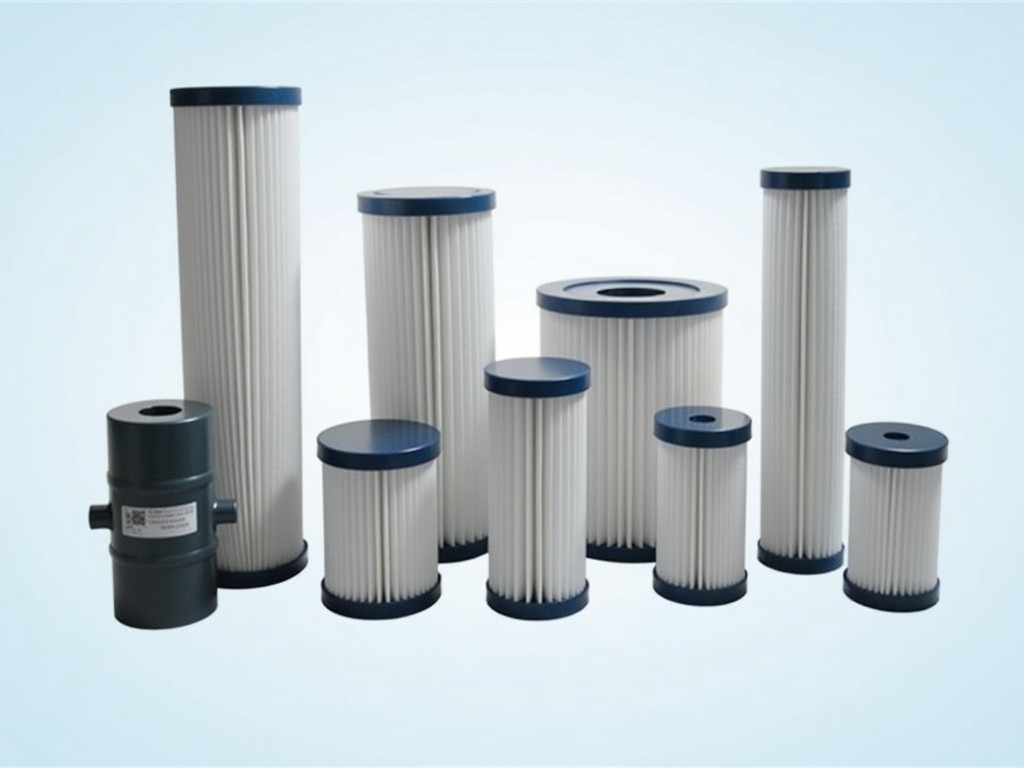
In gas turbine power generation, the inlet air must be cleaned of solid particulates before reaching the compressor stage to prevent fouling, erosion, and loss of efficiency. Air filter paper
Request a QuoteIn gas turbine power generation, the inlet air must be cleaned of solid particulates before reaching the compressor stage to prevent fouling, erosion, and loss of efficiency.
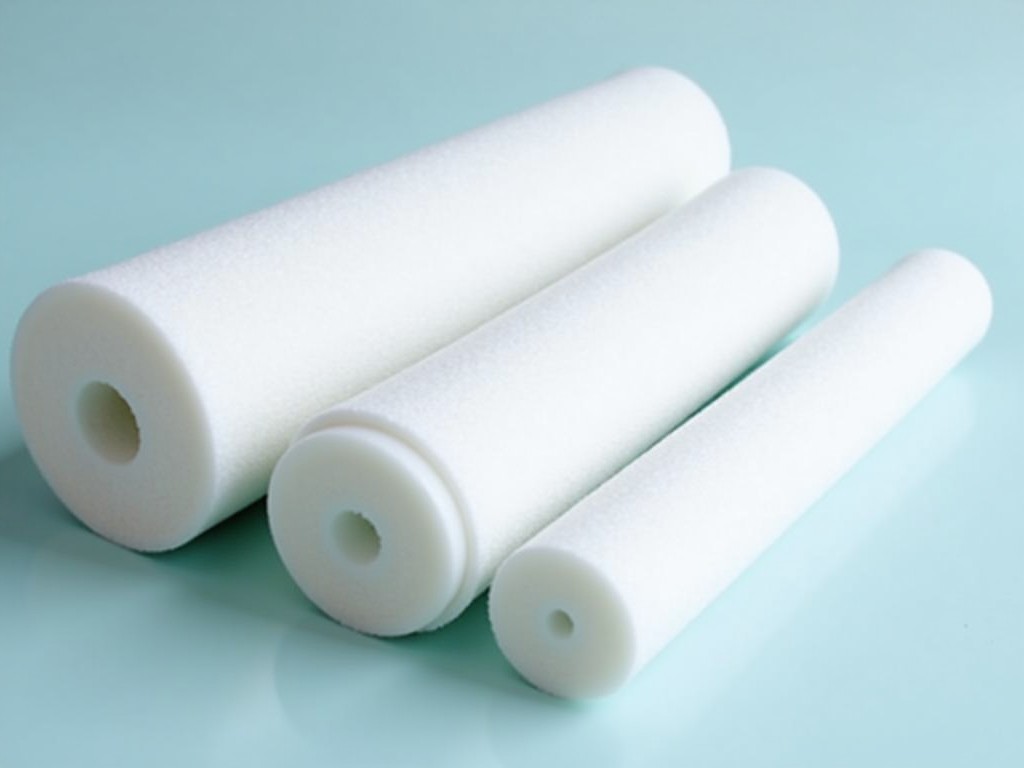
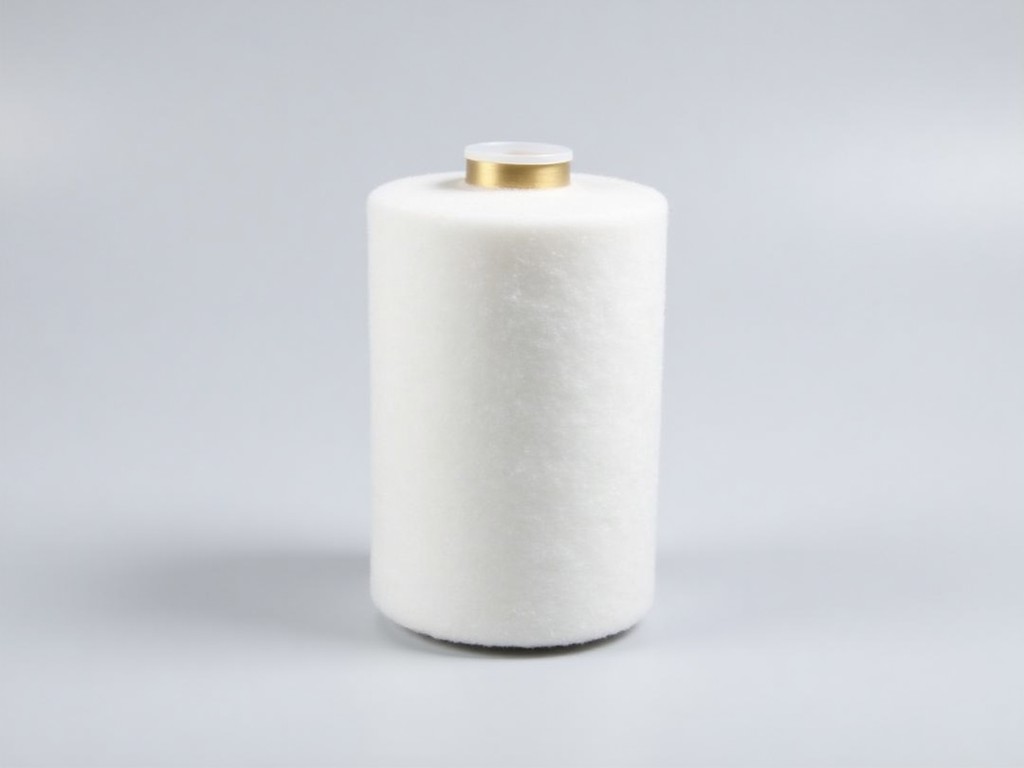
Air filter paper designed for dust collection systems provides the primary barrier, capturing particles while maintaining low pressure drop across the filter media.
The filter paper is manufactured from a blended cellulose‑synthetic fiber substrate that offers a balance of tensile strength and permeability.
Typical basis weight ranges from 120 to 180 g/m², with a calibrated thickness between 0.35 and 0.55 mm.
Porosity is engineered to achieve a pressure drop of 150–250 Pa at a face velocity of 2.5 m/s when loaded with ISO 12103‑1 test dust.
The media retains structural integrity at continuous operating temperatures up to 120 °C and short‑term excursions to 150 °C.
Depending on the environmental challenges, the base substrate can be supplemented with a fiberglass scrim for added tear resistance or coated with a hydrophobic polymer to resist moisture ingress.
Anti‑static additives are available for applications where electrostatic discharge could ignite dust clouds.
Custom pleat geometries and frame materials (galvanized steel, aluminum, or stainless steel) are offered to match existing housing designs.
In industrial gas turbine installations, the inlet air often contains silica, metal oxides, and combustion‑derived particulates that can degrade compressor blades and reduce turbine output.
A high‑efficiency filter paper removes particles down to 5 µm with an efficiency of 99 % at the test flow rate, thereby extending maintenance intervals.
Because the media exhibits low pressure drop, the turbine’s fuel consumption penalty remains below 0.5 % under normal load conditions.
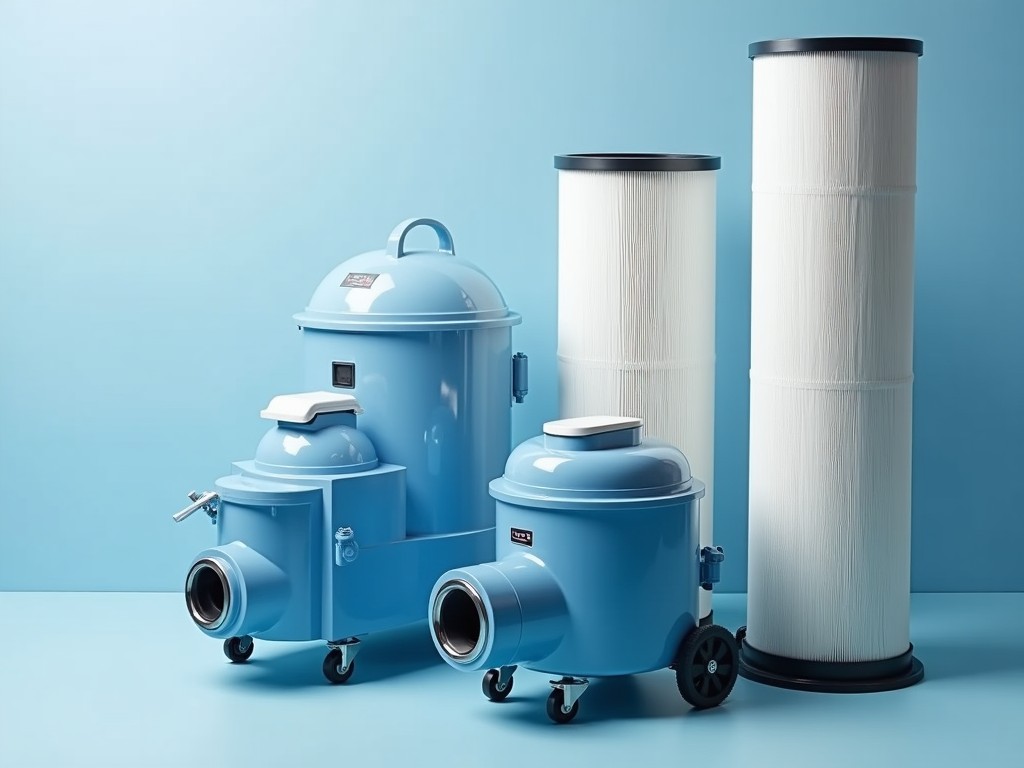
The filter is typically mounted in a cartridge or panel housing located upstream of the compressor inlet, allowing easy replacement during scheduled outages.
Each roll undergoes inline measurement of basis weight and thickness using laser gauges to ensure uniformity within ±5 %.
Finished samples are subjected to a standardized dust‑loading test per ISO 12103‑1, with pressure drop recorded before and after a defined dust mass.
Burst strength is evaluated by a Mullen tester, and thermal stability is verified by exposing samples to 120 °C for 500 h with post‑exposure tensile testing.
| Parameter | Typical Value / Acceptance Criteria |
|---|---|
| Basis weight | 120–180 g/m² |
| Thickness | 0.35–0.55 mm |
| Porosity | 60–70 % (air permeability) |
| Pressure drop (clean) | 150–250 Pa at 2.5 m/s |
| Pressure drop (after 200 g/m² dust) | ≤500 Pa |
| Burst strength | ≥250 kPa (Mullen) |
| Maximum continuous temperature | 120 °C |
| Moisture resistance (hydrophobic option) | Hydrostatic head ≥150 mm H₂O |
| Anti‑static surface resistivity | ≤10⁹ Ω/sq |
The cellulose‑synthetic blend is recyclable in standard paper streams after removal of any polymeric coatings, supporting ISO 14001 waste‑reduction goals.
Used cartridges can be compacted and disposed of as non‑hazardous solid waste when the filter media does not contain hazardous substances.
For plants requiring zero‑liquid‑discharge, the filter media can be incinerated under controlled conditions with energy recovery.
Minimum order quantity for standard sizes starts at 500 m² of roll material, with custom widths available from 200 mm to 1200 mm.
Lead time for stock items is 2–3 weeks, while engineered‑to‑order configurations typically require 5–6 weeks for tooling and production.
Products are packed in corrugated cartons with inner polyethylene liners to protect against moisture during transit; palletizing follows ISPM‑15 standards.
Yes, roll width, length, pleat depth, and frame geometry can be tailored to the customer’s housing specifications.
Required data include inlet airflow rate, maximum dust concentration, temperature range, humidity conditions, and any special coating requests (hydrophobic, anti‑static).
Each batch undergoes basis weight, thickness, pressure drop, burst strength, and environmental conditioning tests per ISO standards before release.
For technical data sheets, sample requests, or project‑specific quotations, contact our engineering team via the form below.
Request a QuoteCopyright © 2026 www.chinacartridgefilter.com All Rights Reserved.