- Email: [email protected]
- Phone: (+86)13363300602

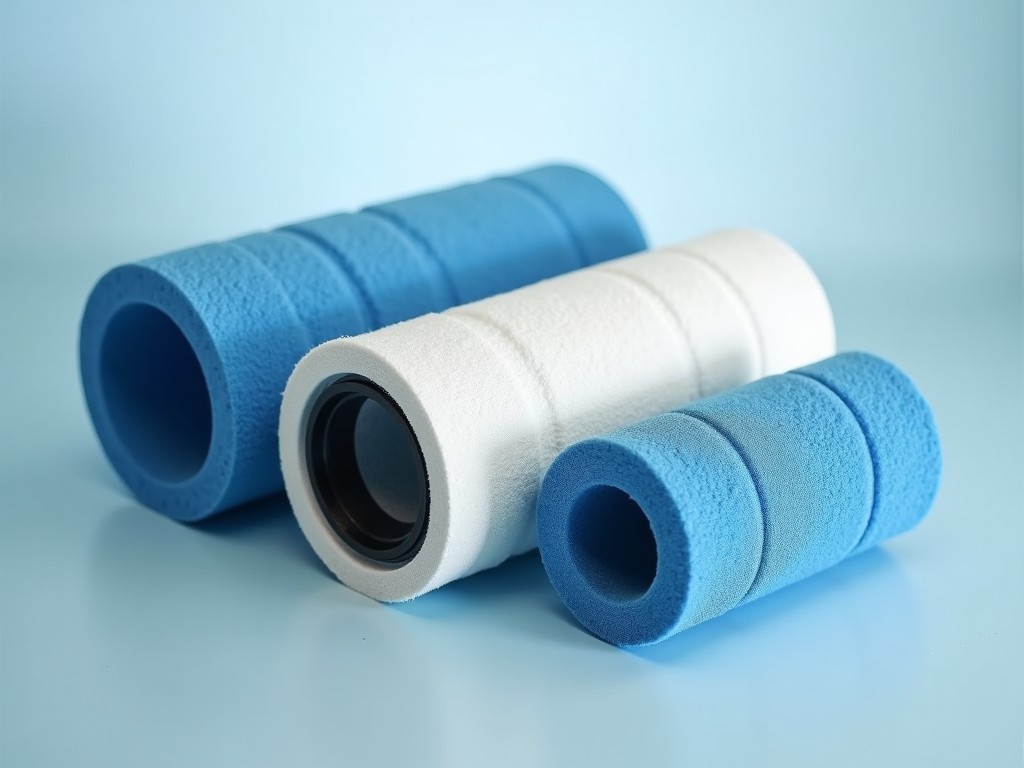
Cartridge filters are the core element in powder coating recovery systems, separating overspray particles from the air stream before the cleaned air is recirculated to the booth. Their performance
Request a QuoteCartridge filters are the core element in powder coating recovery systems, separating overspray particles from the air stream before the cleaned air is recirculated to the booth. Their performance directly influences powder reuse rates, booth cleanliness, and maintenance frequency.
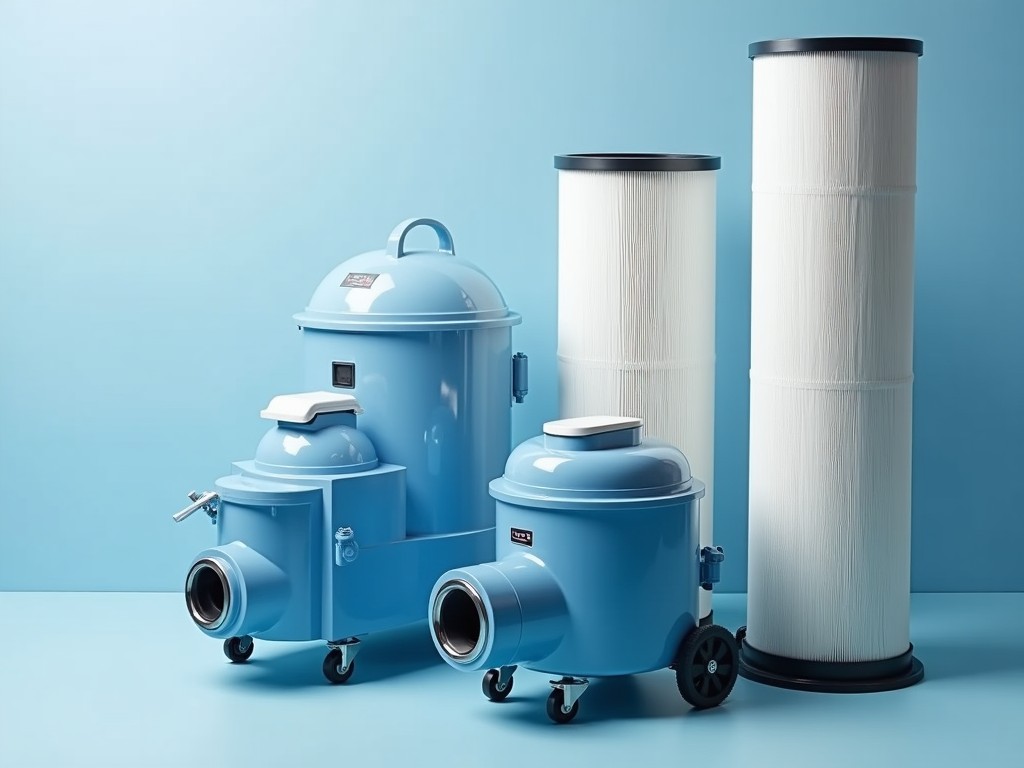
Each cartridge consists of a pleated filter media pack sealed between two end caps. The pleat geometry provides a high surface area-to-volume ratio, which reduces face velocity and extends service life. End caps are typically fabricated from 304 stainless steel or coated carbon steel to resist corrosion from powder residues and cleaning solvents.
A peripheral gasket, often made of EPDM or silicone, ensures a leak‑tight seal against the housing tube. The housing itself can be supplied as a removable cartridge tube or a fixed manifold, with standard diameters ranging from 125 mm to 250 mm and lengths from 500 mm to 1500 mm, depending on the required airflow capacity.
Filtration efficiency for typical powder coating particles (1–10 µm) exceeds 99.9 % when measured by the gravimetric method per ISO 16890. The pressure drop across a clean cartridge at nominal airflow (0.5 m³/s) is usually below 150 Pa, rising gradually as dust accumulates.
Dust holding capacity varies with media type; a standard polyester blend can retain up to 2 kg of powder per square meter of media before the pressure drop reaches the recommended change‑out limit of 600 Pa. Temperature resistance of the media and seals allows continuous operation up to 80 °C, with short‑term excursions to 120 °C possible for certain high‑temperature coatings.
In automotive wheel coating, the filters capture metallic flakes and pigment agglomerates that would otherwise re‑deposit on the substrate, reducing defects such as orange peel or pitting. The ability to maintain low pressure drop ensures consistent airflow across the booth, which is critical for achieving uniform film thickness on complex geometries.
For appliance manufacturers coating large panels, high dust holding capacity reduces the frequency of cartridge change‑outs during extended production runs, minimizing line stoppages. In metal furniture lines, where powder colors change frequently, quick‑release end caps enable rapid media swap‑over without tools, supporting flexible batch production.
Selection is guided by the powder chemistry, curing temperature, and required cleaning method (pulse‑jet, reverse air, or mechanical shake). Compatibility tables are available upon request to match media resistance with specific resin systems.
Cartridge length, diameter, and pleat height can be adjusted to meet specific airflow demands dictated by booth size and fan capacity. End‑cap configurations include flange, threaded, or quick‑release clamps, allowing integration with existing housing designs without modification.
Surface treatments such as electropolishing for stainless steel ends or anti‑static coating on the media outer layer are offered to mitigate powder adhesion and reduce static discharge risks in explosive‑dust environments.
All custom dimensions are subject to standard manufacturing tolerances (±2 mm on length, ±1 mm on diameter) and can be validated through CFD airflow simulation prior to tooling.
Each cartridge undergoes a bubble point test to verify pore size distribution, ensuring that the claimed filtration efficiency is achievable under operating conditions. Pressure‑drop measurements are performed at three flow rates (low, nominal, high) to confirm that the media behaves predictably across the expected load range.
Integrity checks include a pressure hold test at 1.5 times the design pressure for five minutes, with no allowable leak detected by a mass flow sensor. Visual inspection of pleat uniformity and end‑cap weld quality is performed under 10× magnification, and any deviation from the specification triggers a rework or scrap decision.
Documentation of test results is supplied with each shipment, enabling traceability to the specific production lot and supporting ISO 9001 audit requirements.
| Parameter | Typical Value | Notes / Customizable |
|---|---|---|
| Filter Media | Polyester‑polypropylene blend | Nanofiber, PTFE‑coated, or custom blends available |
| End Cap Material | 304 Stainless Steel | 316L, coated carbon steel, or special alloys |
| Nominal Length | 1000 mm | 500 mm – 1500 mm (step 50 mm) |
| Nominal Diameter | 200 mm | 125 mm – 250 mm (step 12.5 mm) |
| Pleat Height | 20 mm | 15 mm – 30 mm (adjustable) |
| Maximum Operating Temperature | 80 °C | Up to 120 °C for short excursions (media dependent) |
| Initial Pressure Drop @ 0.5 m³/s | <150 Pa | Varies with media selection |
| Dust Holding Capacity (to 600 Pa) | ≈2 kg/m² media | Dependent on powder characteristics |
Yes. Length, diameter, pleat height, and end‑cap interface can be tailored. Provide the housing interior dimensions and required airflow, and we will propose a matching cartridge design.
We require the powder type (resin, curing temperature), target airflow volume, maximum allowable pressure drop, housing dimensions, and any preferred material restrictions (e.g., stainless steel only). This enables accurate media selection and cost estimation.
Each cartridge passes a bubble‑point test, pressure‑drop verification at three flow rates, and a pressure hold integrity test. Test certificates are included with the shipment.
To discuss your powder coating filtration requirements, request a quotation, or obtain sample media for evaluation, please reach out to our engineering team.
Copyright © 2026 www.chinacartridgefilter.com All Rights Reserved.