- Email: [email protected]
- Phone: (+86)13363300602

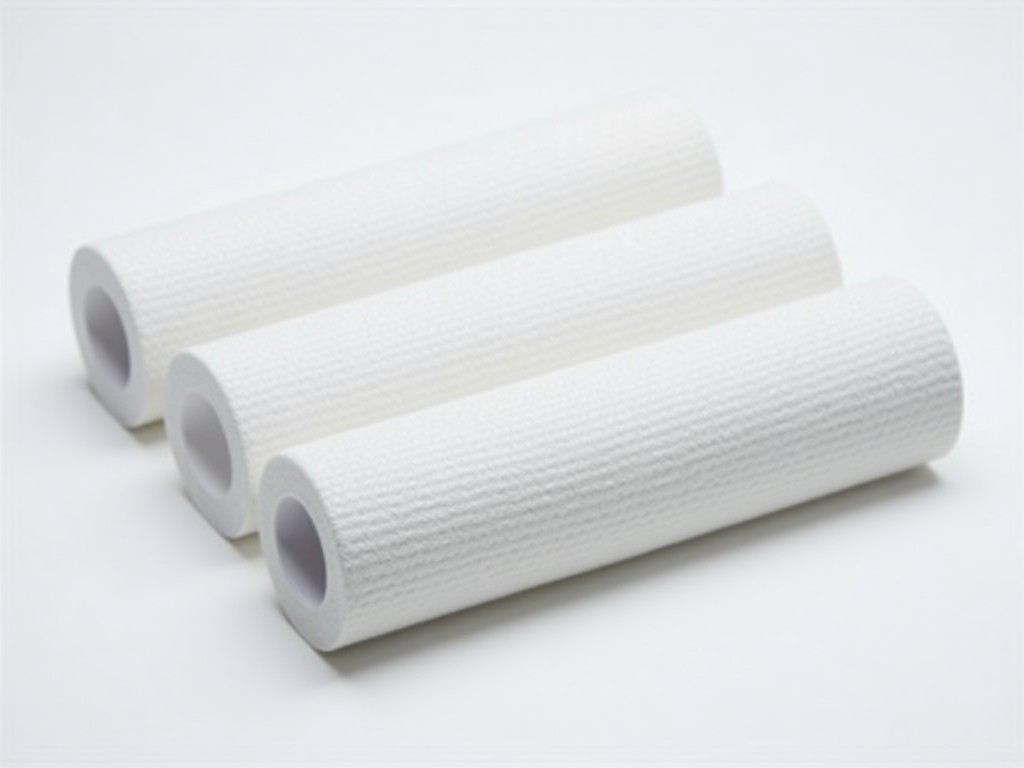
Anti-static dust filter cartridges are engineered to capture airborne particulates while safely dissipating electrostatic charges that can damage sensitive electronic components or attract
Request a QuoteAnti-static dust filter cartridges are engineered to capture airborne particulates while safely dissipating electrostatic charges that can damage sensitive electronic components or attract contaminants. The filter media combines a high-efficiency mechanical barrier with conductive elements that provide a controlled path to ground, preventing charge buildup during operation.
Filtration efficiency is typically rated by the particle size at which 99.97% capture occurs (HEPA-equivalent) or by MERV values ranging from 13 to 16 for industrial dust applications. Pressure drop across the cartridge remains below 150 Pa at nominal flow rates, allowing sustained operation without excessive blower energy consumption.
The filter medium is constructed from a blend of synthetic polyester fibers and intrinsically conductive carbon or stainless‑steel filaments, uniformly distributed to achieve a surface resistivity of 10⁶–10⁸ Ω/sq. End caps and seals are made from chemically resistant polypropylene or EPDM, selected based on the process gas temperature and humidity conditions.
In semiconductor wafer fabs, airborne particles as small as 0.1 µm can cause defects; anti-static cartridges prevent both particulate contamination and electrostatic discharge that could lift particles onto the wafer surface. Similarly, in pharmaceutical powder handling, the cartridges suppress static‑induced powder clumping while meeting cleanroom Class 5 (ISO 14644‑1) requirements for microbial and particulate control.
Each cartridge undergoes a three‑step validation: (1) laser‑based particle counting upstream and downstream to verify efficiency, (2) surface resistivity measurement using a four‑point probe to confirm anti‑static performance, and (3) hydrostatic pressure testing to ensure end‑cap seal integrity at 1.5 times the design pressure. Results are documented per batch and available upon request.
| Parameter | Typical Range | Unit |
|---|---|---|
| Filtration efficiency (0.3 µm) | 99.97 % – 99.99 % | % |
| Pressure drop @ 0.5 m/s | 80 – 150 | Pa |
| Surface resistivity | 1 × 10⁶ – 1 × 10⁸ | Ω/sq |
| Operating temperature | -20 to +120 | °C |
| Media thickness | 0.8 – 2.0 | mm |
Can dimensions be customized? Yes. Outer diameter, length, and end‑cap geometry are adjusted to match the housing or vessel specifications provided by the customer.
What information is required before quotation? Required data include target airflow rate, maximum allowable pressure drop, particle size distribution of the dust, operating temperature and humidity, and any chemical exposure details.
Which materials are available for the conductive element? Options consist of carbon black filaments, stainless‑steel microfibers, or intrinsic conductive polymers, each selected based on required resistivity and compatibility with the process stream.
How is quality inspected? Every lot is subjected to particle efficiency testing, surface resistivity verification, and seal integrity pressure tests, with traceable records retained for a minimum of three years.
What packaging methods are available? Cartridges are packed in anti‑static polyethylene bags, placed in rigid corrugated cartons with corner protectors, and sealed with humidity‑indicating desiccant packs for overseas shipment.
What is the typical production lead time? Lead times range from 3 to 5 weeks for standard configurations; custom geometries or special material grades may extend the schedule to 6‑8 weeks.
Copyright © 2026 www.chinacartridgefilter.com All Rights Reserved.