- Email: [email protected]
- Phone: (+86)13363300602

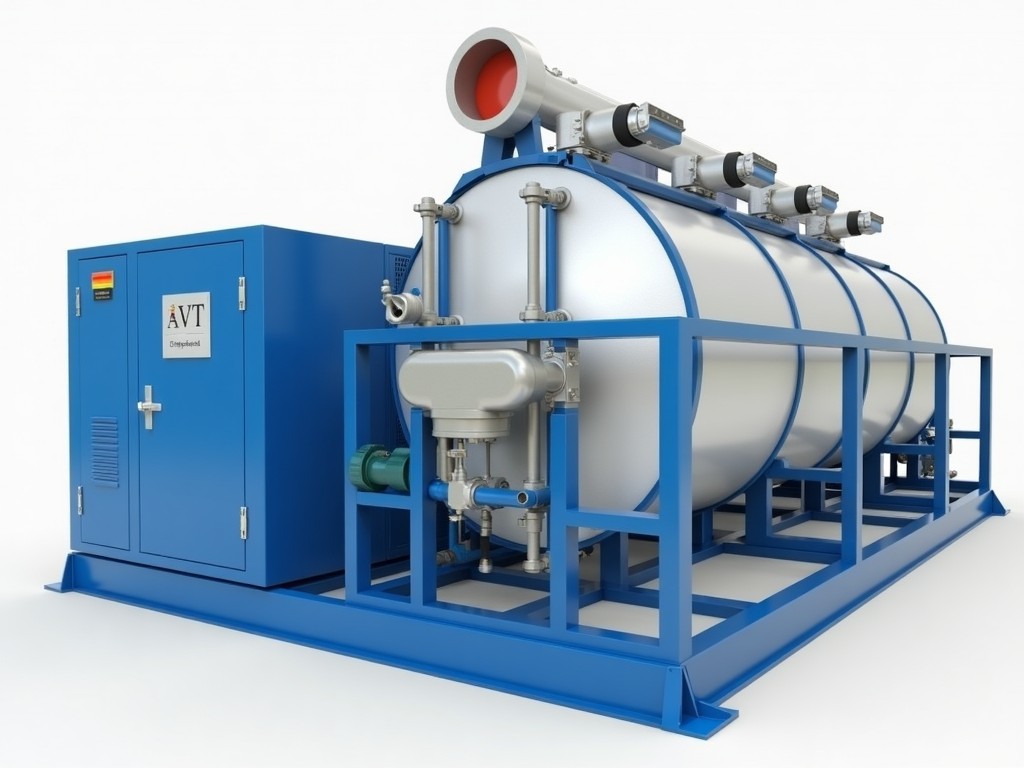
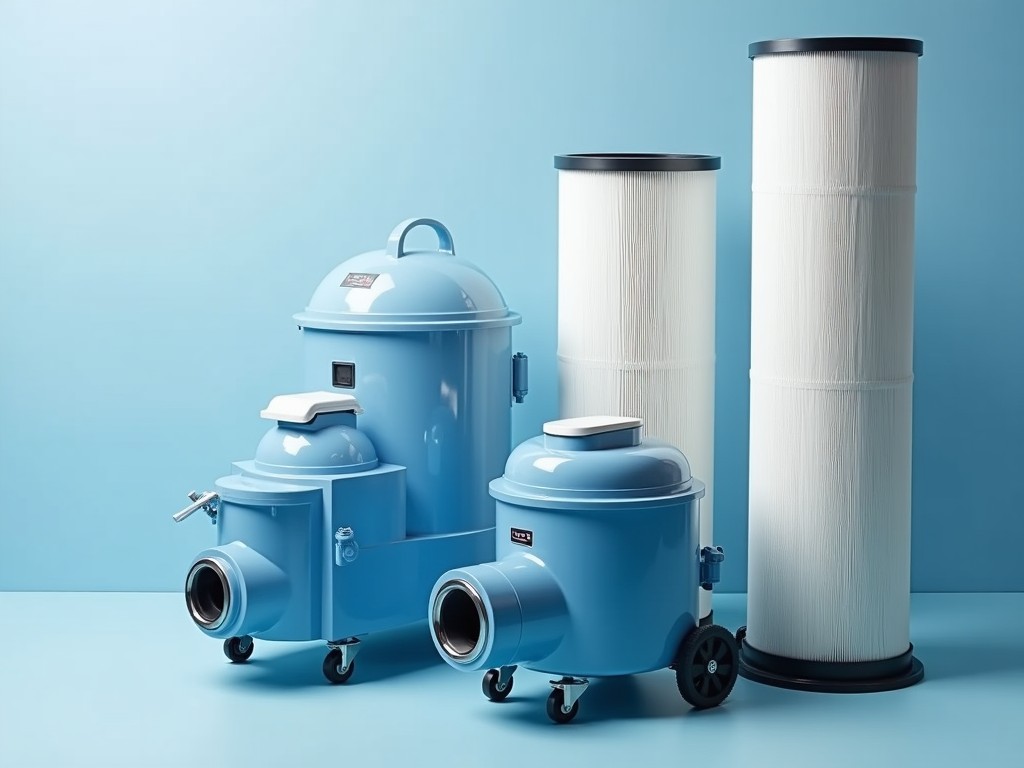
A dust collector filter cartridge is the replaceable element that captures particulates while allowing clean air to pass through the system. When the cartridge is tailored to the specific airflow,
Request a QuoteA dust collector filter cartridge is the replaceable element that captures particulates while allowing clean air to pass through the system. When the cartridge is tailored to the specific airflow, particle size distribution, and operating temperature of a facility, pressure drop remains low and service life extends.
Design considerations begin with the required filtration efficiency and the allowable pressure drop across the collector. Engineers calculate the necessary filter media area based on the dust load and desired cleaning cycle. The pleat geometry is then optimized to achieve that area within the given housing dimensions.
Media selection directly influences chemical resistance, temperature tolerance, and capture efficiency for different dust types.
Typical dimensions and construction variables that can be adjusted to match a collector’s housing and process conditions are shown below.
| Parameter | Typical Range | Notes |
|---|---|---|
| Length | 250 mm – 1500 mm | Determined by available chamber depth and ease of removal. |
| Outer Diameter | 100 mm – 350 mm | Must match the tube sheet hole pattern with proper clearance for sealing. |
| Pleat Height | 20 mm – 50 mm | Affects media area; higher pleats increase surface but may raise pressure drop. |
| Media Weight | 150 gsm – 500 gsm | Heavier weights provide greater durability for abrasive dusts. |
| End Cap Material | Galvanized steel, SS 304, SS 316 | Selected based on corrosion resistance requirements. |
| Gasket Material | Neoprene, EPDM, Silicone | Chosen to match temperature range and chemical exposure. |
Production starts with slitting the selected media to the required width, followed by precision pleating to achieve the designed surface area. The pleated blank is then wrapped around a mandrel and the ends are secured using resistance welding or adhesive bonding, depending on the end‑cap material. Final steps include inserting the gasket, applying any protective coatings, and performing a visual check for pleat uniformity.
In metalworking facilities, cartridges must withstand high‑temperature sparks and abrasive grinding dust while maintaining low pressure drop to keep extraction fans operating efficiently. Woodworking shops benefit from cartridges that capture fine sawdust without blinding, allowing longer run times between pulse‑cleaning cycles. In pharmaceutical powder handling, PTFE‑based media provide the needed resistance to moisture and ensure that no fibers migrate into the product stream. Food‑grade applications often require stainless‑steel end caps and silicone gaskets to meet sanitary standards and facilitate wash‑down procedures.
Each finished cartridge undergoes a series of tests that verify performance before it leaves the factory.
To obtain a quotation that reflects the true cost of a custom cartridge, the factory requires specific process data.
Can dimensions be customized? Yes, length, outer diameter, pleat height, and end‑cap features are all adjusted to match the customer’s collector housing and process requirements.
What information is required before quotation? The factory needs airflow rate, dust type and properties, temperature range, space constraints, and any material preferences to generate an accurate quote.
How is quality inspected? Each cartridge receives bubble point testing, airflow resistance measurement, dimensional verification, and a detailed visual check for pleat uniformity and end‑cap integrity.
Contact our engineering team to discuss your dust collection challenges and receive a detailed quote for a custom filter cartridge.
Request QuoteCopyright © 2026 www.chinacartridgefilter.com All Rights Reserved.