- Email: [email protected]
- Phone: (+86)13363300602

A dust separator pattern filter is engineered to capture particulate matter from air streams in processes such as pneumatic conveying, grinding, and bulk material handling. The filter media is formed
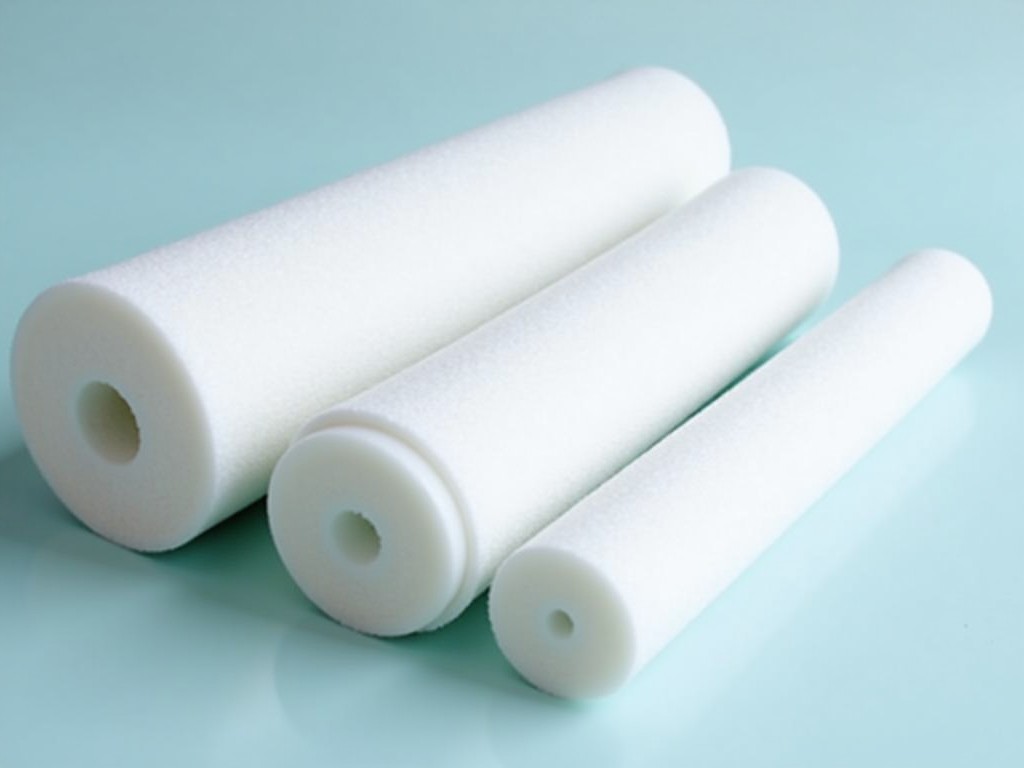
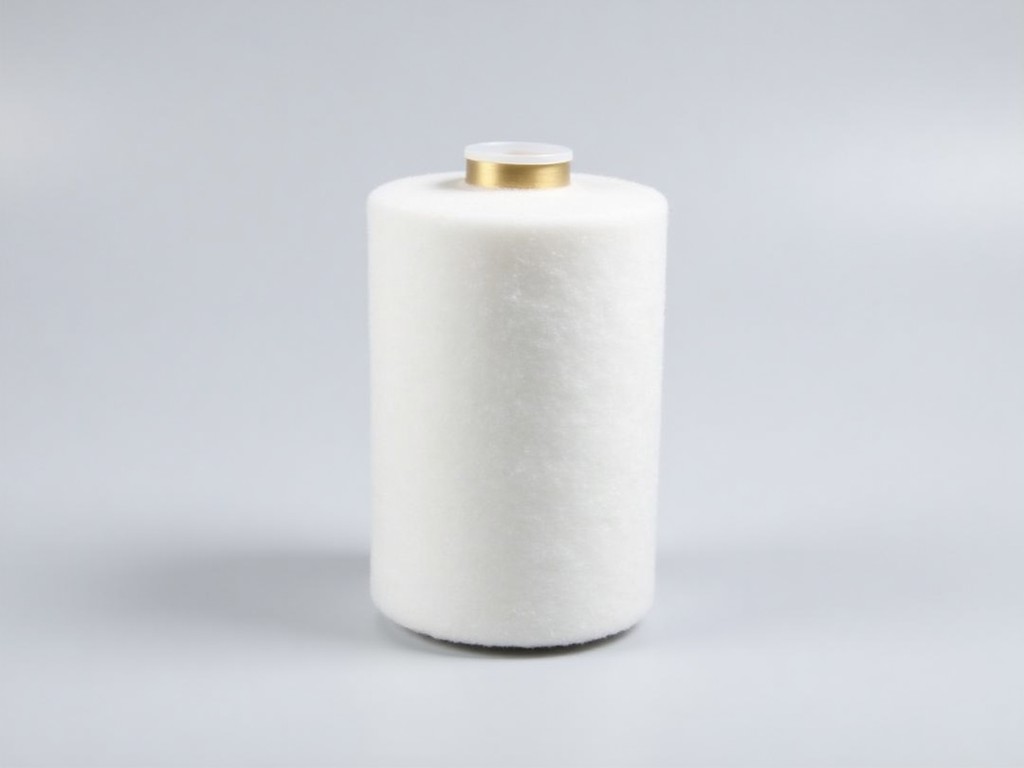
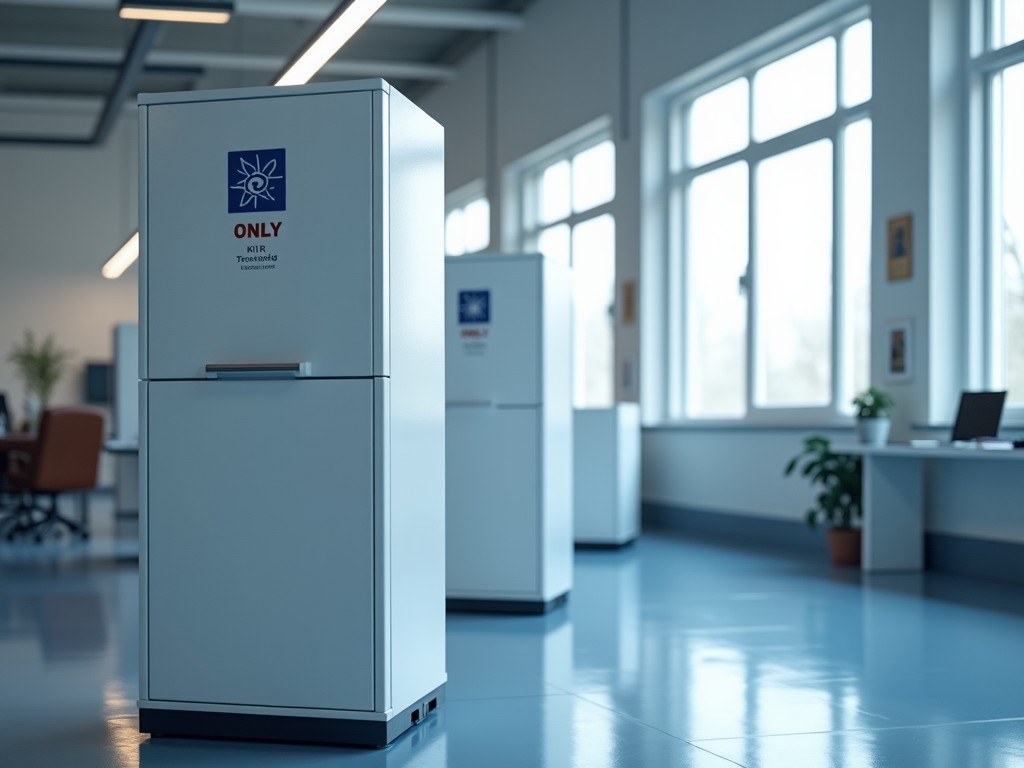
Request a QuoteA dust separator pattern filter is engineered to capture particulate matter from air streams in processes such as pneumatic conveying, grinding, and bulk material handling. The filter media is formed into a repeating pattern that maximizes surface area while maintaining low pressure drop, enabling continuous operation with minimal maintenance.
| Parameter | Typical Range |
|---|---|
| Filter Media Thickness | 0.8 mm – 2.5 mm (customizable) |
| Pattern Open Area | 35 % – 55 % (depends on geometry) |
| Maximum Operating Temperature | Up to 250 °C (with suitable substrate) |
| Pressure Drop at 0.5 m/s Face Velocity | 120 Pa – 250 Pa (typical) |
| Available Widths | 100 mm – 2000 mm (roll or sheet) |
The substrate can be selected based on chemical compatibility, temperature resistance, and mechanical strength. Common choices include polyester non‑woven for ambient temperature applications, aramid‑blended media for temperatures up to 200 °C, and PTFE‑coated fiberglass for environments exceeding 250 °C or involving aggressive chemicals. Each material is supplied with documented tensile strength, elongation at break, and air permeability values to support design calculations.
In pneumatic conveying systems, the pattern filter prevents fine powder from reaching downstream blowers, reducing wear and maintaining flow consistency. In woodworking shops, it captures sawdust generated during sanding, protecting filtration units and improving air quality for operators. In metal grinding operations, the filter separates metallic fines from coolant mist, extending the life of recycling equipment and lowering disposal costs. The low pressure drop characteristic ensures that energy consumption of associated fans remains within design limits, contributing to overall process efficiency.
Each roll undergoes inline inspection for pattern uniformity using optical scanning equipment that detects deviations greater than 0.2 mm in strand spacing. Samples are tested for air permeability according to ISO 9237 and for tensile strength per ISO 9073‑3. Batch traceability is maintained via lot numbers that link raw material certificates, processing parameters, and final test results. Customers receive a conformity statement with each shipment, detailing the measured values for thickness, open area, and pressure drop at a specified face velocity.
To discuss your specific dust separation challenges and receive a technical proposal, please reach out to our engineering team.
Request a QuoteCopyright © 2026 www.chinacartridgefilter.com All Rights Reserved.