- Email: [email protected]
- Phone: (+86)13363300602

A pulse jet cartridge filter cleans dust-laden gas streams by periodically injecting short bursts of compressed air into the filter media. The rapid expansion dislodges collected particles, allowing
Request a QuoteA pulse jet cartridge filter cleans dust-laden gas streams by periodically injecting short bursts of compressed air into the filter media. The rapid expansion dislodges collected particles, allowing them to fall into a hopper for disposal. This cleaning method enables continuous operation with minimal pressure drop increase.
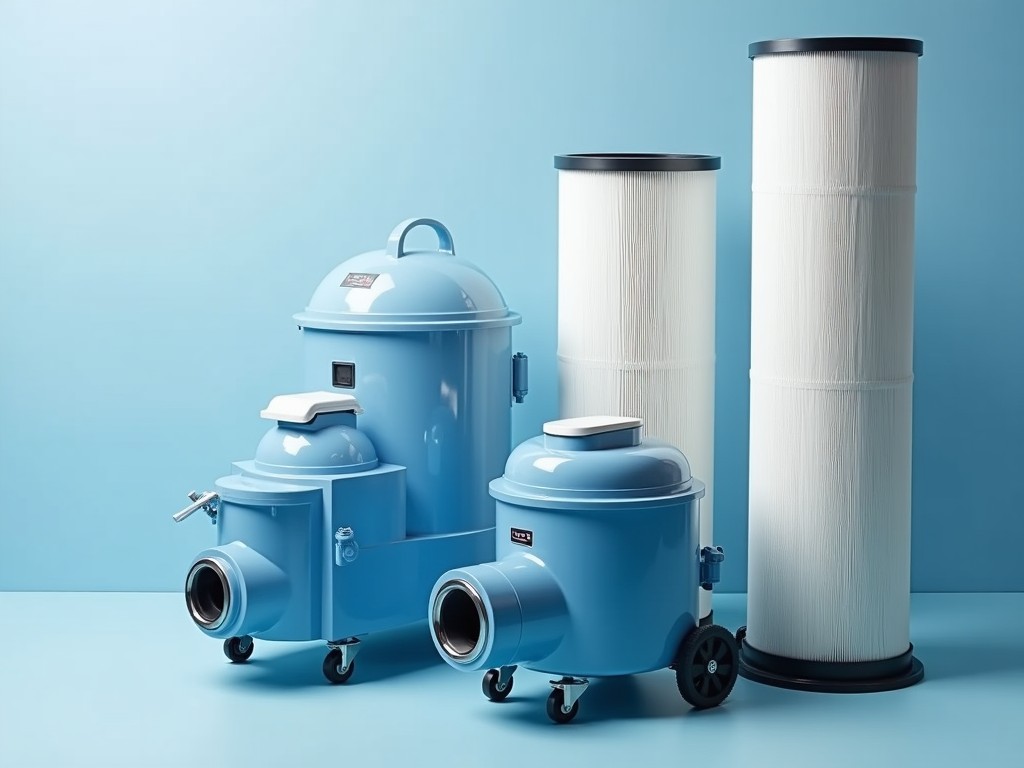
Cartridge filters replace traditional baghouses in applications where space is limited or where higher air‑to‑cloth ratios are required. The cylindrical cartridges provide a large filtration area in a compact footprint, reducing the overall equipment height.
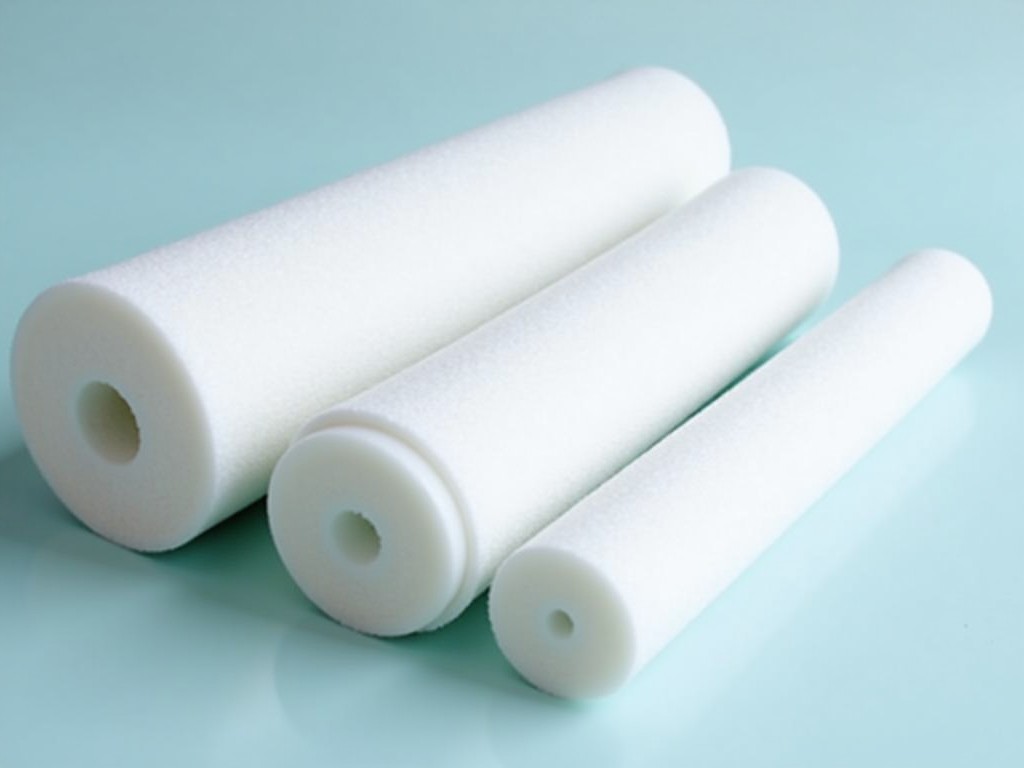
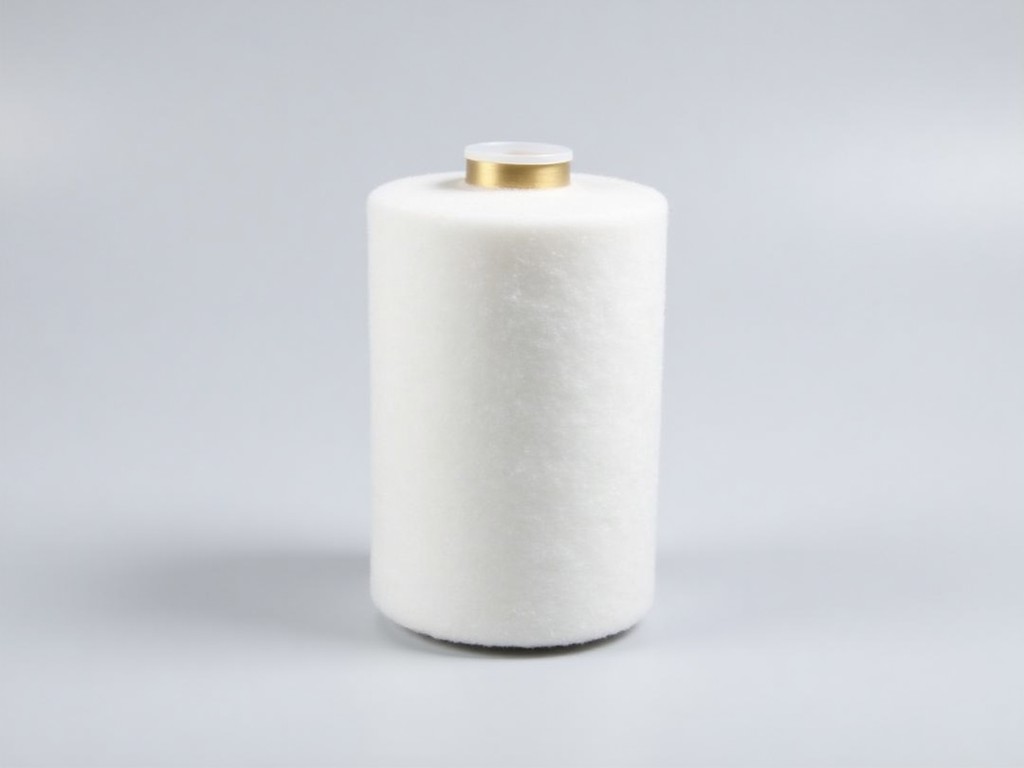
Each cartridge consists of a pleated filter media wrapped around a rigid support core. The media is typically a polyester‑based nanofiber blend engineered for sub‑micron particle capture while maintaining adequate permeability.
The housing is fabricated from carbon steel with a powder‑coat finish or from stainless steel (304/316) for corrosive environments. Inlet and outlet connections are flanged or threaded according to client specifications, and the pulse valves are mounted on a manifold that delivers regulated bursts of 0.1–0.3 s duration at 4–6 bar pressure.
| Parameter | Typical Range | Notes |
|---|---|---|
| Filtration area per cartridge | 2–4 m² | Depends on pleat height and media type |
| Micron rating (95% efficiency) | 0.5–5 µm | Selectable based on media grade |
| Air‑to‑cloth ratio | 2–4 m³/min/m² | Higher ratios reduce vessel size |
| Pulse pressure | 4–6 bar | Regulated by pulse valve |
| Operating temperature | ‑20 °C to +250 °C | Dependent on media and housing material |
In cement kilns, the fine alkaline dust generated during clinker cooling requires a filter that can handle high temperatures and abrasive particles. A PTFE‑coated polyester cartridge operating at 200 °C provides the needed chemical resistance while maintaining low pressure drop.
Power‑plant boiler exhaust contains fly ash with varying particle sizes. By selecting a metal‑fiber media cartridge, the system can withstand temperatures above 250 °C and capture sub‑micron ash without frequent media replacement.
Chemical processing plants often emit corrosive vapors such as HCl or SO₂. Using a stainless‑steel 316 housing with a polypropylene‑based nanofiber cartridge resists chemical attack and delivers consistent efficiency over extended run times.
Before shipment, each cartridge undergoes a bubble point test to verify media integrity and a pressure‑drop measurement at the rated airflow to confirm that the initial ΔP does not exceed 1.2 kPa.
Hydrostatic testing of the housing is performed at 1.5 times the design pressure to ensure no leaks. Pulse valve actuation is checked with a pneumatic tester to confirm burst duration and pressure consistency within ±5 %.
Final inspection includes a visual check for pleat alignment, gasket seating, and surface finish. Documentation of test results is provided with each batch.
Yes. Length, outer diameter, and pleat height can be adjusted to match the host vessel’s clearance and required filtration area.
Process gas temperature, pressure, flow rate, dust characteristics (particle size distribution, concentration, abrasiveness), and any chemical constituents that may affect media selection.
Polyester nanofiber, polypropylene, PTFE‑coated polyester, cellulose‑synthetic blends, and metal‑fiber (stainless steel or Inconel) for high‑temperature service.
Each lot receives bubble‑point, pressure‑drop, hydrostatic, and functional pulse‑valve tests, with results recorded in a test report.
Cartridges are packed in individual corrugated boxes with internal foam supports; housings are palletized and stretch‑wrapped for protection during transit.
Standard configurations ship within 3–4 weeks after drawing approval; highly customized units may require 6–8 weeks depending on material availability.
To discuss your specific dust‑collection requirements and receive a detailed technical proposal, please provide the operating parameters listed in the FAQ.
Copyright © 2026 www.chinacartridgefilter.com All Rights Reserved.