- Email: [email protected]
- Phone: (+86)13363300602

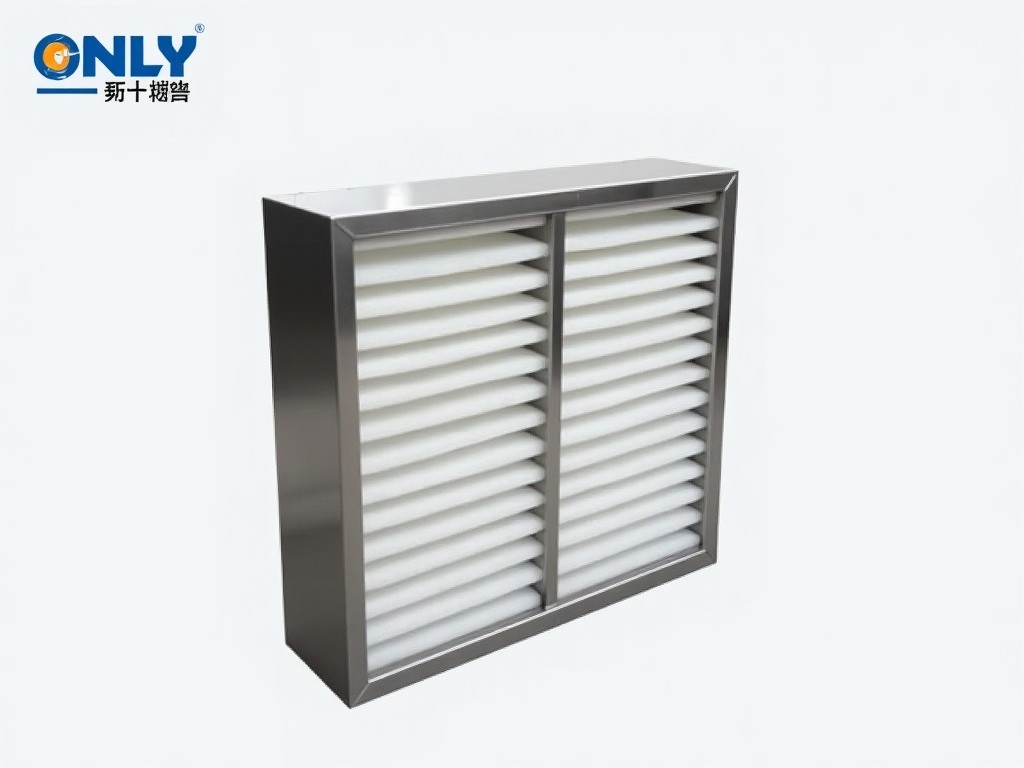
Pleated filter cartridges increase effective filtration area by folding a flat membrane into a series of uniform pleats, allowing higher flow rates and lower pressure drop compared to depth‑type
Request a QuotePleated filter cartridges increase effective filtration area by folding a flat membrane into a series of uniform pleats, allowing higher flow rates and lower pressure drop compared to depth‑type elements of the same diameter. Stainless steel construction provides compatibility with aggressive chemicals, high temperatures, and sterilization cycles common in process industries.
The cartridge consists of a pleated stainless steel mesh or sintered sheet wrapped around a perforated support core. End caps are welded or clamped to seal the pleat stack and provide mounting interfaces. Pleat height, core diameter, and material thickness are selected based on the required dirt‑holding capacity and mechanical strength.
Performance is governed by the pore size of the stainless steel medium, the total pleated surface area, and the flow geometry. Typical ratings range from 1 µm absolute to 100 µm nominal, with pressure drops measured at defined flow rates.
| Parameter | Typical Value | Notes |
|---|---|---|
| Micron rating (absolute) | 1 µm – 100 µm | Customizable per project |
| Maximum operating temperature | 200 °C (392 °F) for 304/316 | Higher with duplex or titanium |
| Maximum differential pressure | 7 bar (100 psi) | Depends on pleat support |
| Flow rate (water) per 10″ length | 0.5 – 5 m³/h | Varies with micron rating |
| Effective filtration area | 0.4 – 1.2 m² per 10″ | Increases with pleat height |
In chemical processing, the cartridges remove catalyst fines and polymer particles from corrosive streams where polymeric filters would degrade. The stainless steel medium withstands hot caustic washdowns, enabling clean‑in‑place (CIP) cycles without replacement.
Food‑and‑beverage manufacturers use 316L pleated cartridges for clarifying liquids such as wine, juice, and dairy products, benefiting from the material’s inertness and ability to endure steam sterilization at 121 °C.
Pharmaceutical applications require absolute‑rated 0.2 µm or 0.45 µm elements for sterile filtration; the all‑metal construction eliminates fiber shedding and provides a reliable barrier for aseptic processing.
Oil and gas upstream facilities deploy pleated cartridges in produced‑water treatment to remove sand, scale, and hydrocarbon droplets before reinjection, where the metal medium tolerates high salinity and occasional temperature spikes.
Each lot undergoes dimensional verification of pleat geometry, end‑cap squareness, and overall length using calibrated optical comparators. Integrity is confirmed by bubble‑point testing at the rated pore size, ensuring no bypass paths exist.
Material certificates (EN 10204 3.1) are supplied for the stainless steel alloy, and optional surface‑finish documentation (Ra values) can be provided upon request. Visual inspection for weld defects, burrs, or contamination is performed under 10× magnification.
Factory‑direct sales eliminate intermediary mark‑ups and provide direct access to engineering support for design‑for‑manufacturability reviews. Sample cartridges are available upon receipt of a completed specification sheet, typically shipped within 5‑7 business days.
Standard production lead time for non‑stock lengths is 3‑4 weeks, with expedited options available for critical projects. Minimum order quantities vary by alloy and end‑cap configuration but are generally as low as 10 units for prototype runs.
Ready to discuss your filtration requirements?
Request a QuoteCopyright © 2026 www.chinacartridgefilter.com All Rights Reserved.