- Email: [email protected]
- Phone: (+86)13363300602

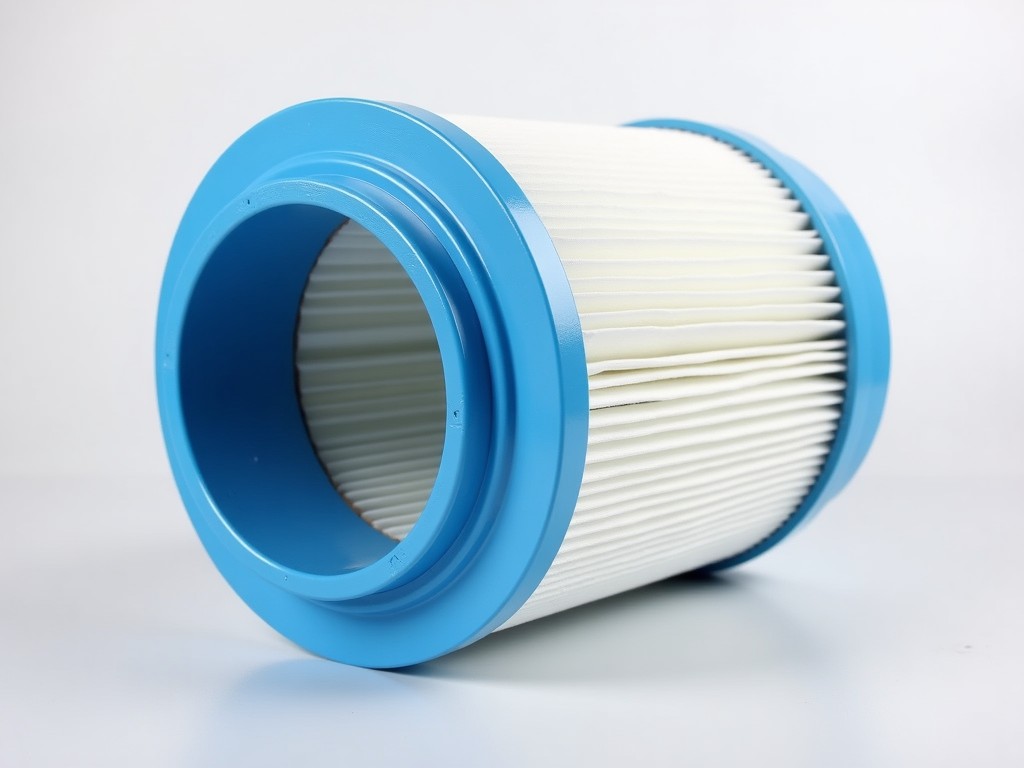
Supplying dust extraction filter cartridges to original equipment manufacturers requires a deep understanding of the interaction between filter media, airflow dynamics, and the specific contaminants
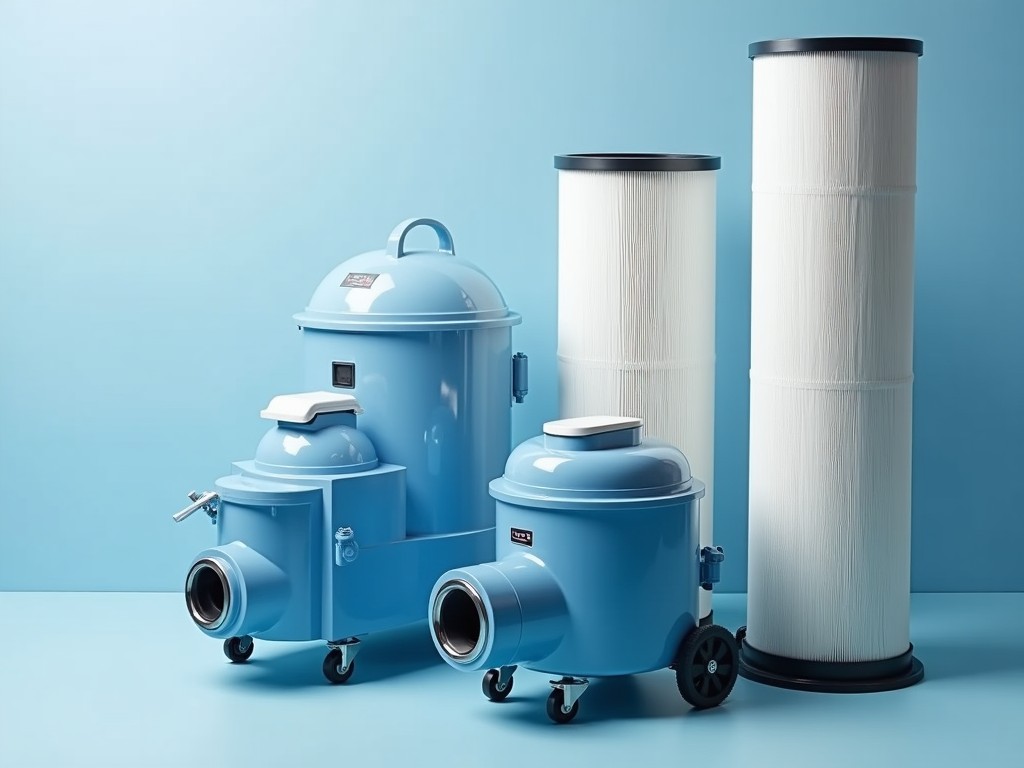
Request a QuoteSupplying dust extraction filter cartridges to original equipment manufacturers requires a deep understanding of the interaction between filter media, airflow dynamics, and the specific contaminants generated in industrial processes. This page outlines the technical considerations that guide our design and production approach, helping engineers evaluate suitability for their extraction systems.
Key performance indicators include filtration efficiency at 0.3 µm (per ISO 16890), pressure drop across the cartridge at nominal airflow, and dust holding capacity before filter change‑out. Efficiency is expressed as a percentage of particles captured; typical values range from 85 % for coarse wood dust to 99.9 % for fine metal fumes when using appropriate media.
Pressure drop is influenced by pleat depth, media permeability, and the total filter area. A well‑designed cartridge maintains a pressure drop below 150 Pa at the system’s design flow rate, ensuring the extraction fan operates within its optimal curve without excessive energy consumption.
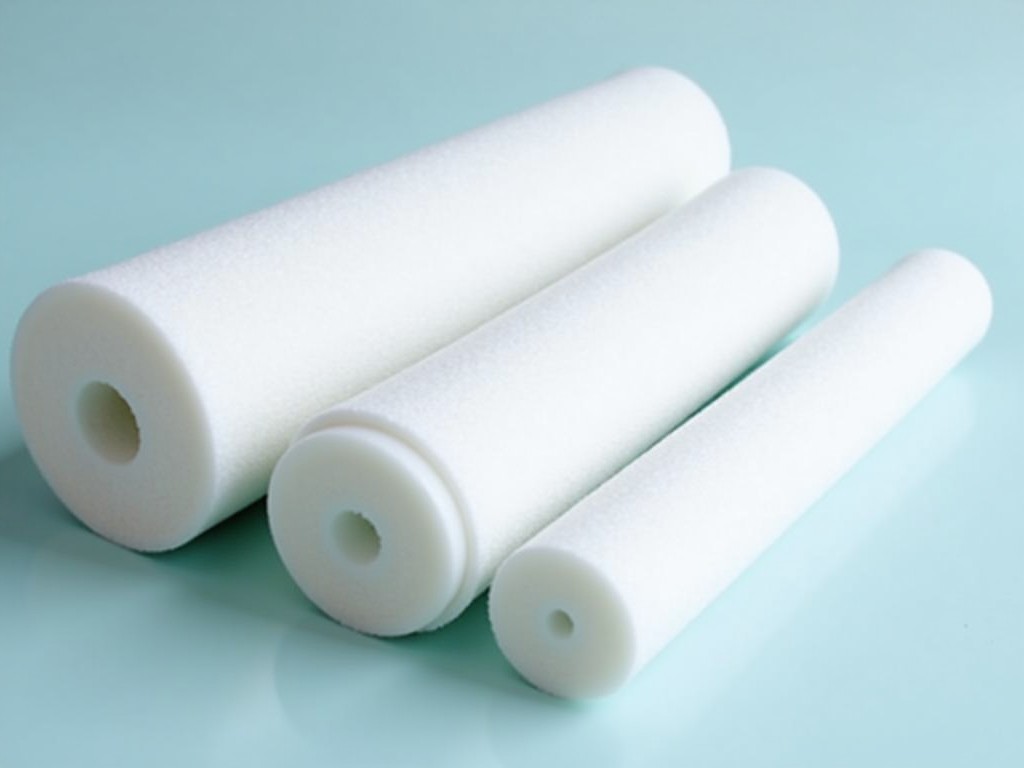
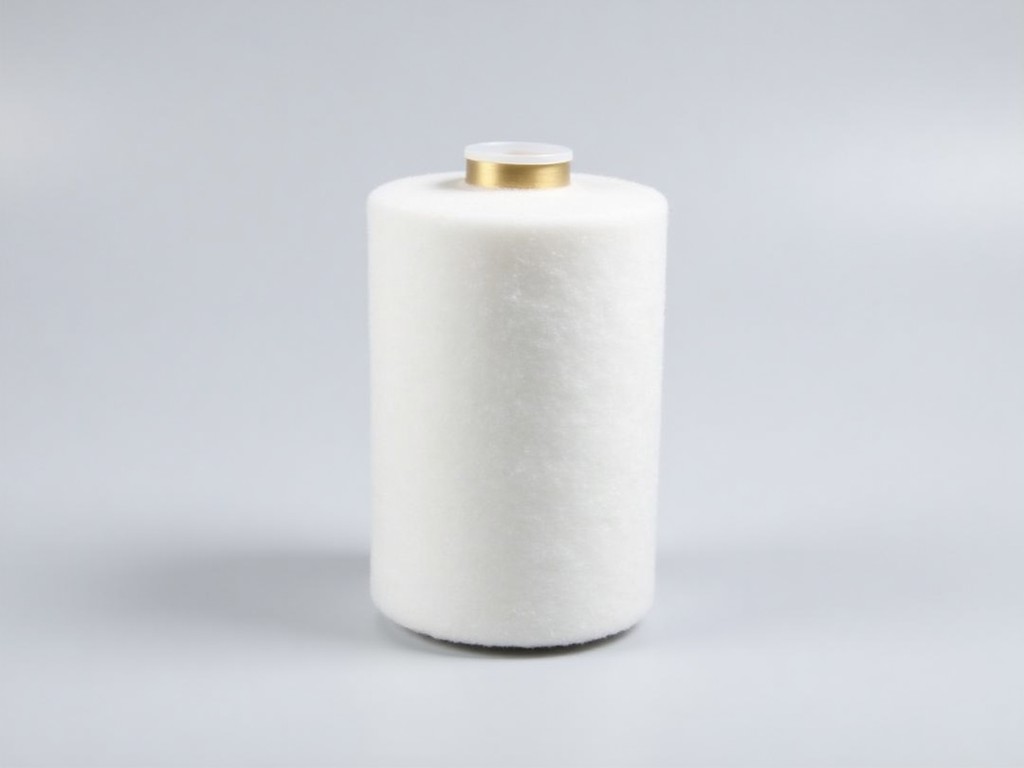
The choice of media determines chemical compatibility, temperature tolerance, and resistance to moisture or abrasive particles. We offer several base materials that can be combined with surface treatments to meet specific process demands.
Cartridges are engineered to fit the housing geometry of the host extraction unit. Customization extends beyond length and diameter to include end‑cap configurations, pleat geometry, and gasket selections that ensure a leak‑free seal under operating pressure.
Each production lot undergoes dimensional verification, media integrity checks, and performance testing against the agreed specification. Inspection includes bubble point testing for membrane‑type media, pressure‑drop measurement at defined flow rates, and dust‑holding capacity using standardized test dust (ISO 12103‑1 A2 fine).
Traceability is maintained via lot numbers linked to raw material certificates, enabling rapid root‑cause analysis if a field issue arises. We follow ISO 9001‑aligned processes, though certification details are available upon request.
The effectiveness of a dust extraction cartridge depends on matching media properties to the particulate characteristics and process conditions. Below is a guide that illustrates why certain media are preferred in common industrial sectors.
| Industry | Typical Contaminant | Recommended Media | Key Reason |
|---|---|---|---|
| Woodworking | Dry sawdust, chips | Cellulose blend | Cost‑effective, high dust holding capacity for low‑temperature, dry particles |
| Metal grinding | Ferrous fines, oil mist | Polyester | Hydrophobic, captures oil‑laden particles without swelling |
| Pharmaceutical powder handling | Fine API powders | Polypropylene non‑woven | Chemically inert, prevents product contamination, meets cleanroom standards |
| Thermal spray coating | Oxide fumes, high‑temp particles | PTFE‑laminated | Withstands >200 °C, low outgassing, maintains efficiency in aggressive environments |
Working directly with a filter cartridge manufacturer allows OEMs to influence design early in the development cycle, reducing the need for retrofits and minimizing pressure‑drop surprises during system validation. Early collaboration also supports joint testing, where prototype cartridges are evaluated on the client’s test rig to confirm performance before full‑scale production.
Lead times are driven by tooling requirements for custom end caps or pleat patterns; standard geometries typically ship within 3‑4 weeks after approval of drawings. We provide dimensional drawings, material safety data sheets, and test reports as part of the quotation package.
Can dimensions be customized? Yes, outer diameter, length, end‑cap style, and pleat depth can be tailored to fit specific housings.
What information is required before quotation? We need the target airflow rate, maximum operating temperature, contaminant type (including any chemical composition), and any space constraints for the cartridge.
Which materials are available? Cellulose, polyester, PTFE‑laminated, polypropylene, and specialty blends; surface treatments such as antistatic or flame‑retardant coatings are optional.
How is quality inspected? Each lot undergoes dimensional checks, bubble‑point or permeability testing, pressure‑drop measurement at nominal flow, and dust‑holding capacity using ISO test dust.
What packaging methods are available? Cartridges are packed in single‑wall corrugated cartons with internal polyethylene bags; palletizing and export‑grade crating are offered on request.
For a technical discussion about your dust extraction requirements, please use the contact form below.
Submit InquiryCopyright © 2026 www.chinacartridgefilter.com All Rights Reserved.