- Email: [email protected]
- Phone: (+86)13363300602

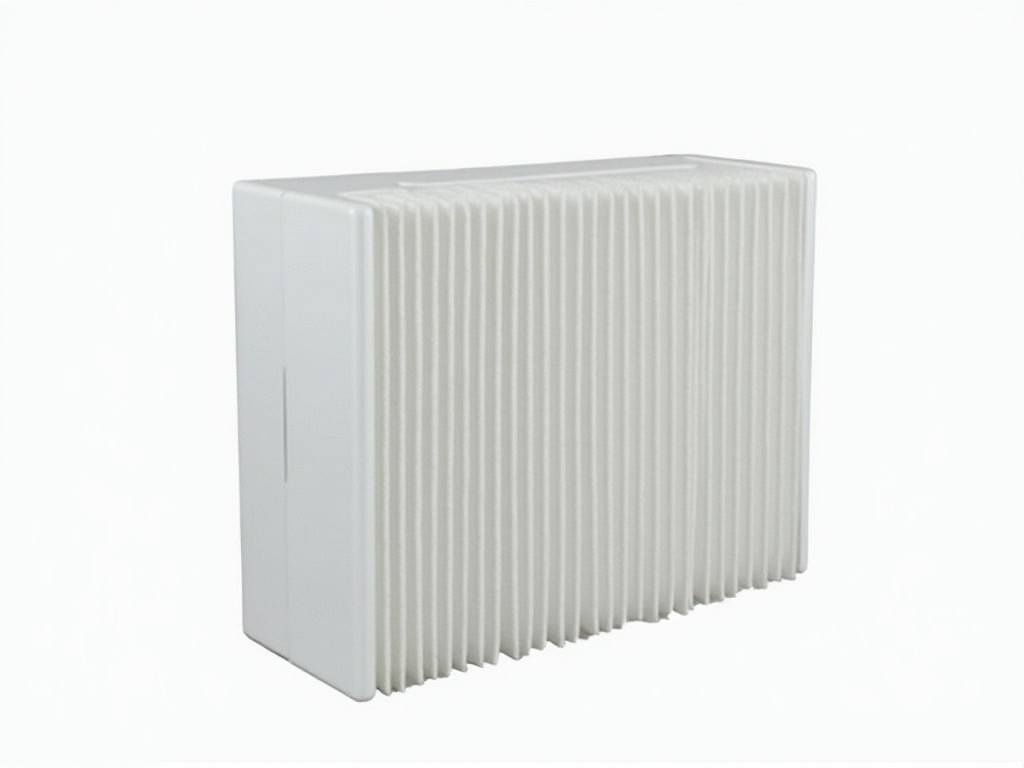
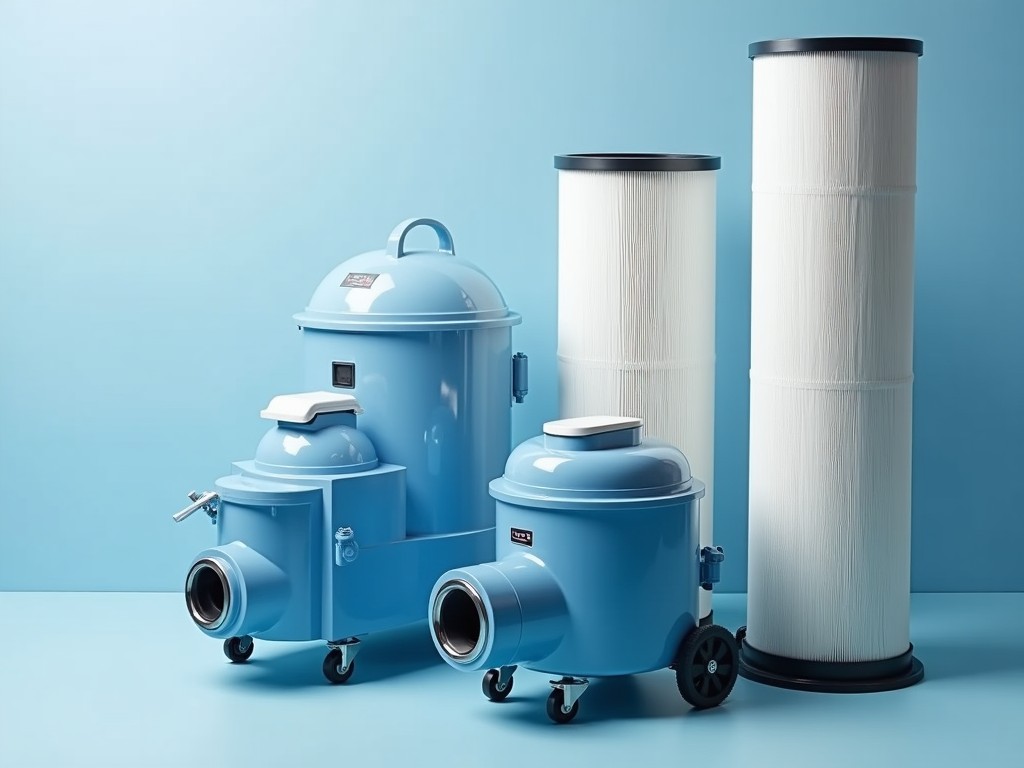
The cartridge consists of a pleated filter media sealed within a rigid polypropylene end cap and a galvanized steel support cage. Pleat geometry is optimized to maximize surface area while
Request a QuoteThe cartridge consists of a pleated filter media sealed within a rigid polypropylene end cap and a galvanized steel support cage. Pleat geometry is optimized to maximize surface area while maintaining structural integrity under vibration typical of truck engine compartments.
Media layers are bonded using a thermally cured adhesive that resists oil mist and coolant exposure up to 120 °C. The end caps feature integrated O‑ring grooves to ensure a leak‑tight seal when installed in the housing.
Filtration efficiency is measured per ISO 5011 using a 0.3 µm sodium chloride aerosol, achieving a minimum of 99.9 % capture at rated flow. Pressure drop across the media remains below 150 Pa at 0.5 m³/min, which corresponds to typical idle air intake for a 6‑L diesel engine.
The cartridge sustains a burst pressure of at least 600 kPa without media deformation, providing a safety margin against pressure spikes during regeneration cycles. Service life is expressed as a function of dust holding capacity, typically 120 g of ISO fine test dust before reaching a 25 % increase in pressure drop.
| Parameter | Typical Value | Test Standard |
|---|---|---|
| Filtration efficiency @ 0.3 µm | ≥99.9 % | ISO 5011 |
| Initial pressure drop | ≤150 Pa @ 0.5 m³/min | ISO 5011 |
| Burst pressure | ≥600 kPa | ISO 2946 |
| Dust holding capacity | ≈120 g ISO fine | ISO 5011 |
Filter media can be supplied as synthetic fiberglass, cellulose‑synthetic blend, or nanofiber‑coated polyester depending on the required temperature resistance and chemical compatibility. End caps are available in virgin polypropylene, reinforced nylon, or ABS for applications demanding higher impact strength.
Support cages are fabricated from hot‑dip galvanized steel or stainless steel (AISI 304) when exposure to corrosive exhaust condensate is expected. All materials comply with REACH and RoHS restrictions for automotive aftermarket components.
Cartridge dimensions (length, outer diameter, inner diameter) are adjustable in 1 mm increments to match OEM housing tolerances. End‑cap configurations include flat, recessed, or flanged designs to accommodate varying sealing surfaces.
For overseas shipments, cartridges are packed in moisture‑barrier polybags with desiccant packets, then placed in corrugated cartons rated for ISTA 3A performance. Each carton bears laser‑etched part numbers and QR codes linking to the material safety data sheet.
Export documentation includes ISO 9001 quality certificates, material test reports, and a declaration of conformity to EU Regulation 2018/858 where applicable. Lead time for standard configurations is typically 4–6 weeks after receipt of technical drawings.
Every production lot undergoes inline laser pleat count verification and off‑line airflow calibration using a calibrated mass flow meter. A statistical process control chart tracks pressure drop variance, with corrective actions triggered if the standard deviation exceeds 5 % of the target.
Final inspection includes a bubble leak test at 20 kPa gauge pressure and a visual inspection for media integrity under 10× magnification. Cartridges that pass all checks are assigned a unique serial number for traceability throughout the supply chain.
In each case, the cartridge’s ability to maintain consistent flow resistance over extended service intervals reduces maintenance frequency and lowers total cost of ownership for fleet operators.
To discuss specific dimensions, media selections, or export packaging requirements, please contact our technical sales team.
Request a QuoteCopyright © 2026 www.chinacartridgefilter.com All Rights Reserved.