- Email: [email protected]
- Phone: (+86)13363300602

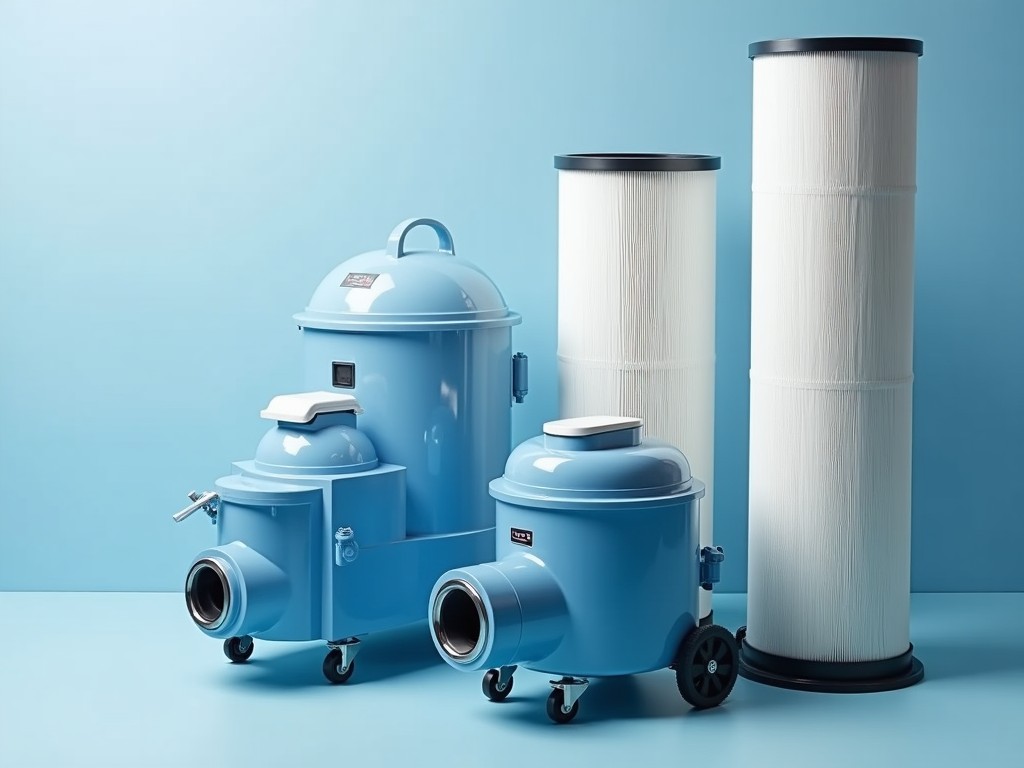
Filter cartridges are the primary separation element in dry dust collection systems, capturing airborne particulates while allowing cleaned air to pass through the filter media. Their performance
Request a QuoteFilter cartridges are the primary separation element in dry dust collection systems, capturing airborne particulates while allowing cleaned air to pass through the filter media. Their performance directly influences system pressure drop, energy consumption, and maintenance frequency, making precise specification essential for reliable operation.
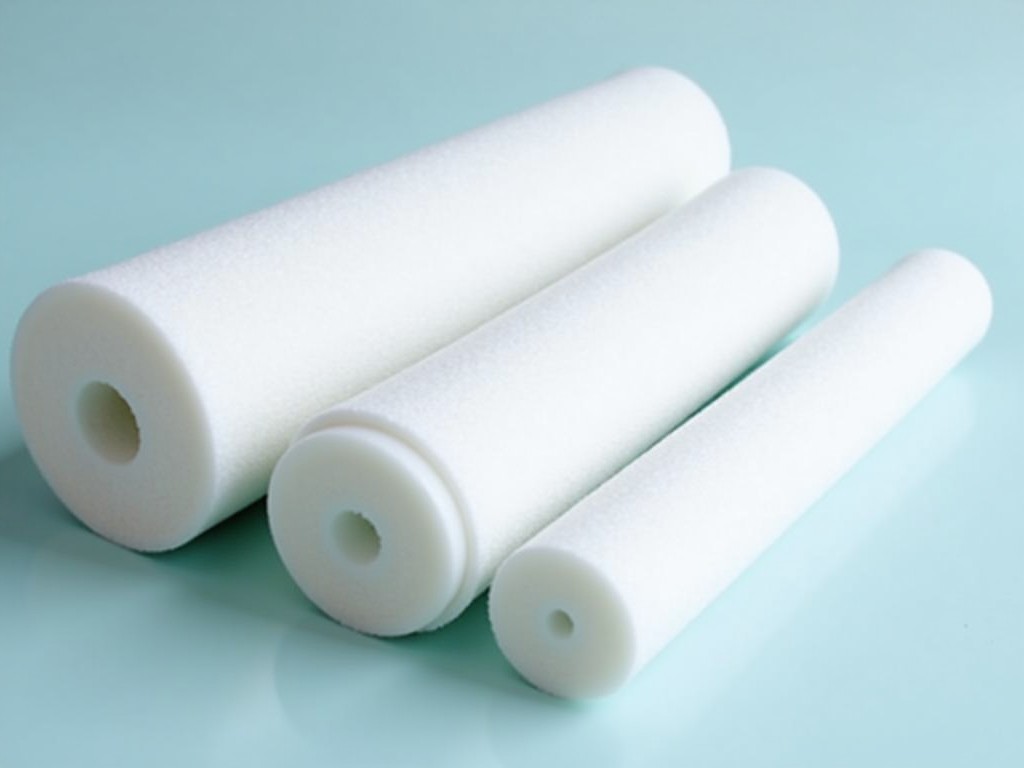
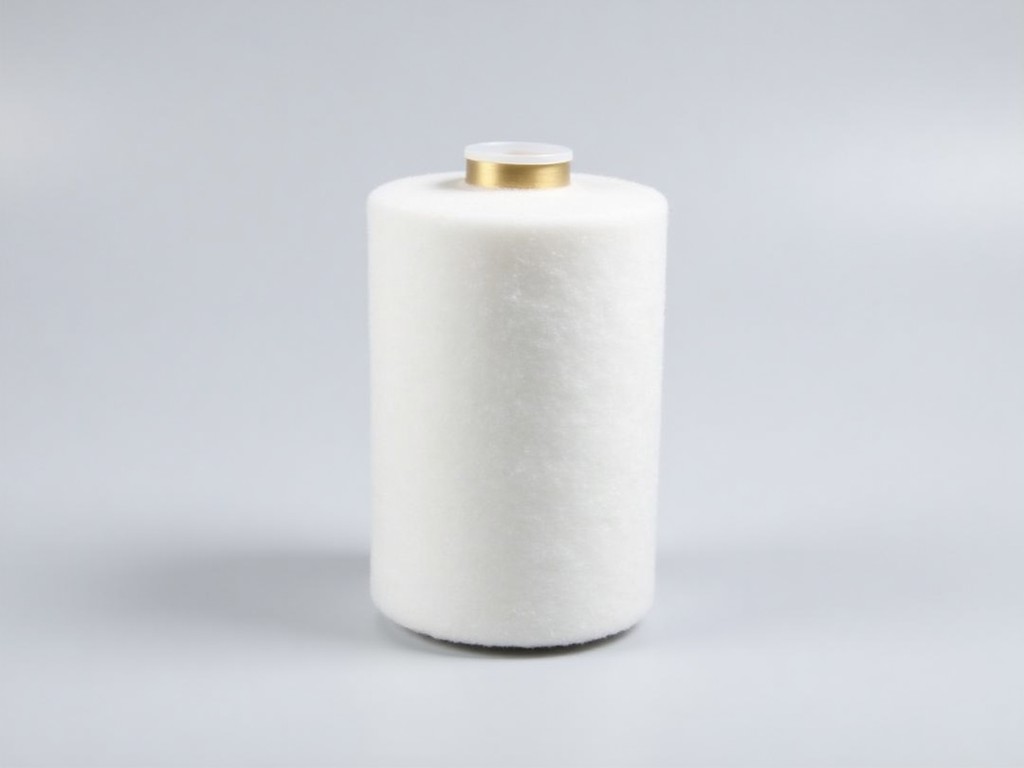
The filter medium is typically a pleated sheet composed of cellulose, synthetic polyester, polypropylene, or a PTFE‑laminated composite, each selected based on particle size distribution, humidity, and chemical exposure. A perforated metal or plastic support core maintains pleat shape under differential pressure, while end caps made of molded polyurethane or metal provide sealing against the housing.
Filtration efficiency is expressed as the percentage of particles retained at a given size, commonly measured at 0.3 µm using a DOP test; typical cartridges achieve 99.9 % efficiency under standard test conditions. Initial pressure drop ranges from 100 to 250 Pa depending on pleat density and media permeability, and increases predictably as dust cake builds up until the recommended change‑out point, usually between 600 and 1000 Pa.
Temperature tolerance varies with media choice: cellulose‑based cartridges are limited to 80 °C, while polypropylene and PTFE composites can withstand continuous operation up to 120 °C, allowing use in high‑temperature processes such as metal smelting or pharmaceutical drying.
| Parameter | Typical Value | Unit |
|---|---|---|
| Filter Media | Polyester‑PTFE blend | – |
| Pleat Height | 20 | mm |
| Pleat Count | 150 | pcs |
| Effective Filtration Area | 4.5 | m² |
| Maximum Operating Temperature | 120 | °C |
| Recommended Change‑Out Pressure Drop | 800 | Pa |
Values represent typical configurations; actual dimensions and performance can be adjusted according to specific process requirements.
In woodworking shops, fine sawdust particles (<10 µm) are efficiently captured by high‑efficiency polyester media, preventing filter blinding and maintaining consistent airflow for sanding and cutting operations. Metal grinding facilities generate ferrous oxides and abrasive grit; here, a PTFE‑laminated surface reduces particle adhesion, extending service life despite the abrasive nature of the dust.
Pharmaceutical powder handling requires resistance to moisture and microbial growth; synthetic polypropylene media with a hydrophobic coating meets these criteria while allowing frequent pulse‑cleaning cycles without degradation. Cement and mineral processing plants benefit from large‑diameter cartridges with increased pleat depth, which accommodate high dust loads and reduce the frequency of change‑outs in continuous operation.
By matching media composition and pleat geometry to the specific dust characteristics, operators achieve lower energy consumption, reduced downtime, and compliance with occupational exposure limits.
Each cartridge undergoes a bubble point test to verify pore size integrity, ensuring that the media meets the specified filtration efficiency before leaving the facility. Pressure drop is measured across a clean filter at a defined airflow rate, providing a baseline for predicting service life under operating conditions.
Visual inspection checks for pleat deformation, end‑cap seating, and gasket uniformity, while dimensional verification confirms length, diameter, and squareness within tolerances of ±0.5 mm. For media requiring chemical resistance, a spot‑test with representative process solvents is performed to detect any swelling or degradation.
Documentation of test results is available upon request, supporting traceability and compliance with industry standards such as ISO 9001 and ISO 15012‑1 where applicable.
Yes, length, outer diameter, and end‑cap geometry can be tailored to match existing housings or new equipment designs. Provide the required installation dimensions and any clearance constraints for a precise quotation.
To generate an accurate quote we require the dust type (composition, particle size distribution, moisture content), operating temperature, airflow rate, preferred media material, and any special certifications (e.g., food grade, ATEX). If exact data are unavailable, we can recommend a baseline configuration based on typical industry parameters.
Every lot is subjected to bubble point, pressure drop, visual, and dimensional checks as described in the quality control section. Additional tests such as burst strength or chemical resistance can be added per customer request.
Cartridges are packed in sturdy corrugated cartons with internal dividers to prevent movement during transit. For export shipments, moisture‑barrier bags and palletizing with stretch wrap are standard; special handling instructions (e.g., temperature‑controlled) can be accommodated upon request.
To discuss your specific dust collection requirements and receive a detailed, no‑obligation quotation, please provide your project specifications via the contact form.
Request a QuotationCopyright © 2026 www.chinacartridgefilter.com All Rights Reserved.